

Ubisoft Barcelona lays off 51 devs after Black Flag Resynced’s Steam surge
A “strategic shift” is colliding with a team saying it built the underwater game that sold.
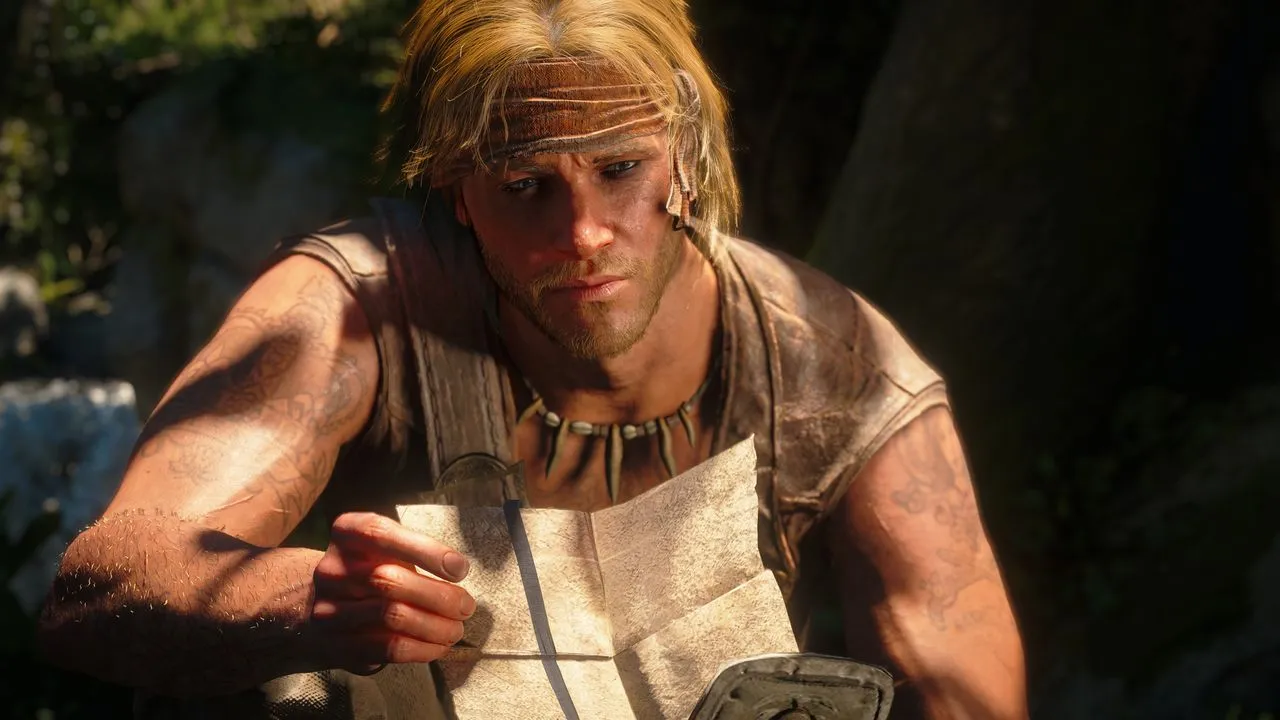
Ubisoft plans to lay off 51 developers at Ubisoft Barcelona even after Assassin's Creed Black Flag Resynced sold two million copies in a day and nearly matched a 40,000 jump in Steam concurrent player records. For decision-makers, the case shows how quickly hit performance can still end with operational cuts and labor escalation.
Assassin's Creed Black Flag Resynced hits big numbers. Ubisoft Barcelona still loses jobs. The company is planning to lay off 51 developers at Ubisoft Barcelona, despite Black Flag Resynced being described as a massive success for the publisher.
The numbers are the kind that usually trigger celebration. The game sold two million copies in a day and, on Steam, broke series concurrent player records by nearly 40,000. But according to developers on social media, the reward is a loss of jobs for the team that built major parts of the remake. Tech and gameplay animator Manel Cota, speaking after Ubisoft told the team a collective redundancy plan, pointed directly to the underwater work: “Ubisoft Barcelona did all the underwater levels,” he explained. “And that same team is being fired right now because Ubisoft thinks thats what we deserve:)”
This is not just a vibes story. It is a stress test of how studios translate commercial success into internal decisions. Large teams can contribute to a product that performs exceptionally well and still be targeted in the aftermath. In Ubisoft’s case, the layoffs at Ubisoft Barcelona were announced last month alongside reductions at Ubisoft’s teams in Winnipeg and Belgrade. That broader pattern matters because it hints at the logic inside the organization: cuts may be driven by forecasting, budgeting, and ongoing portfolio management, not by a single title’s launch-day performance.
Ubisoft Barcelona is not some small outpost in the abstract. The studio has a long history of supporting Ubisoft’s larger studios, including work tied to Assassin's Creed, The Crew, Ghost Recon, and Immortals: Fenyx Rising. For this particular project, the developers say their scope was substantial. Ubisoft Barcelona was responsible for all underwater sections in Black Flag Resynced, including the “diving bell sites” that the community often treats as signature set pieces. That is exactly why the decision lands so brutally. Employees are not claiming they did nothing. They are saying they shipped a defining part of the product and are now being told the company’s next move is going to cost them.
The tension shows up in how developers describe the moment. Quality assurance lead Isabel Codina García called the day “a bittersweet day” on social media. She said that after working on the Black Flag remake for over two and a half years, “the whole AC team at Ubisoft Barcelona was informed of a collective redundancy plan.” Another developer message, quoted in the coverage, frames the end of the story as unexpected after years at the company: “After seven years at Ubisoft Barcelona, this is not how I imagined it would end. But I am genuinely grateful for the people I have met and everything I have learned along the way.”
Labor and communications are now part of the business outcome. The Spanish union La Confederación General del Trabajo called for a three-day strike over the planned cuts at Ubisoft Barcelona, starting today. The flyer language quoted in the source says the company claims a “strategic shift” to justify the layoffs, but that “After years of dedication to our team, the company has turned its back on us. We will never see the fruits of our labour, and the reward for our hard work will be the loss of our jobs.” When unions get involved, it can increase disruption risk, add reputational pressure, and change how internal timelines play out, even if a restructuring remains in management’s plan.
There is also a second-order implication for anyone watching operational leverage in games. Success on launch day does not automatically protect specific teams, especially when work is tied to distinct production phases. Underwater content, diving bell sequences, and related production tasks may represent the kind of asset that is “done” at ship time. But development pipelines do not just end at ship. Teams often transition into support, expansions, fixes, and future projects. If the organization cuts at the end of one phase, employees can feel the hit directly, even while revenue signals improve.
And that is the stake beyond Ubisoft. For boards, CFOs, and operators across the interactive industry, this is a reminder that the internal story of “what mattered” is often not the same as external sales headlines. Black Flag Resynced’s Steam record and two-million-in-a-day sales are real. Yet the company’s internal framing still leads to redundancies at the studio linked to underwater sections. If you run a studio or fund one, the question is not only “Did the product perform?” It is “How does the company’s cost structure, staffing plan, and strategic shift translate into headcount decisions after performance spikes?” That is where trust is won or lost, and where labor friction becomes a material variable in execution.
This story's Key Insights and Take-aways are locked.
Create a free account to unlock Executive Actions for one credit.
Register to UnlockAlways free for Executives Club members. Join the Club
More in Business
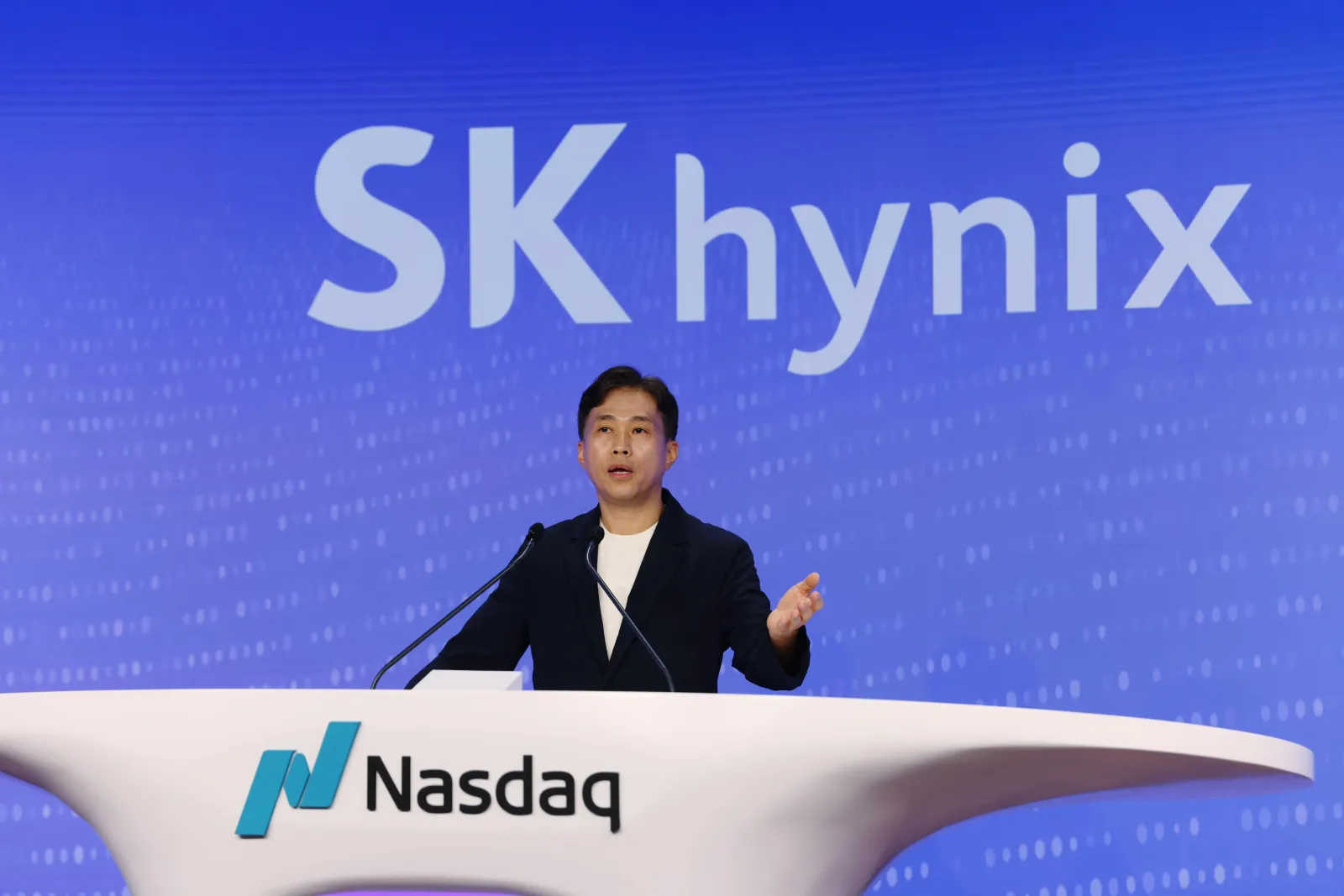
SK Hynix opens at $170, raises $26.5B, and tops foreign IPO records
In Friday's Wall Street debut, SK Hynix turns AI RAM demand into a $26.5B fundraising moment that rewrites comps.

China lands a reusable Long March booster, a first that matches SpaceX and Blue Origin
A barge landing and net-based recovery move China from theory to proof, reshaping the reusability race and satellite ambitions.

AstraZeneca $27B wipeout as Wainua late trial misses cardiovascular target
A failed late-stage heart study triggered a swift market punishment, forcing investors and boards to reset timelines and risk.