

Ubisoft Barcelona says severance offer is “below any reasonable standard”
Up to 51 Assassin's Creed Black Flag Resynced jobs are at risk as staff strike and push for fairer terms.
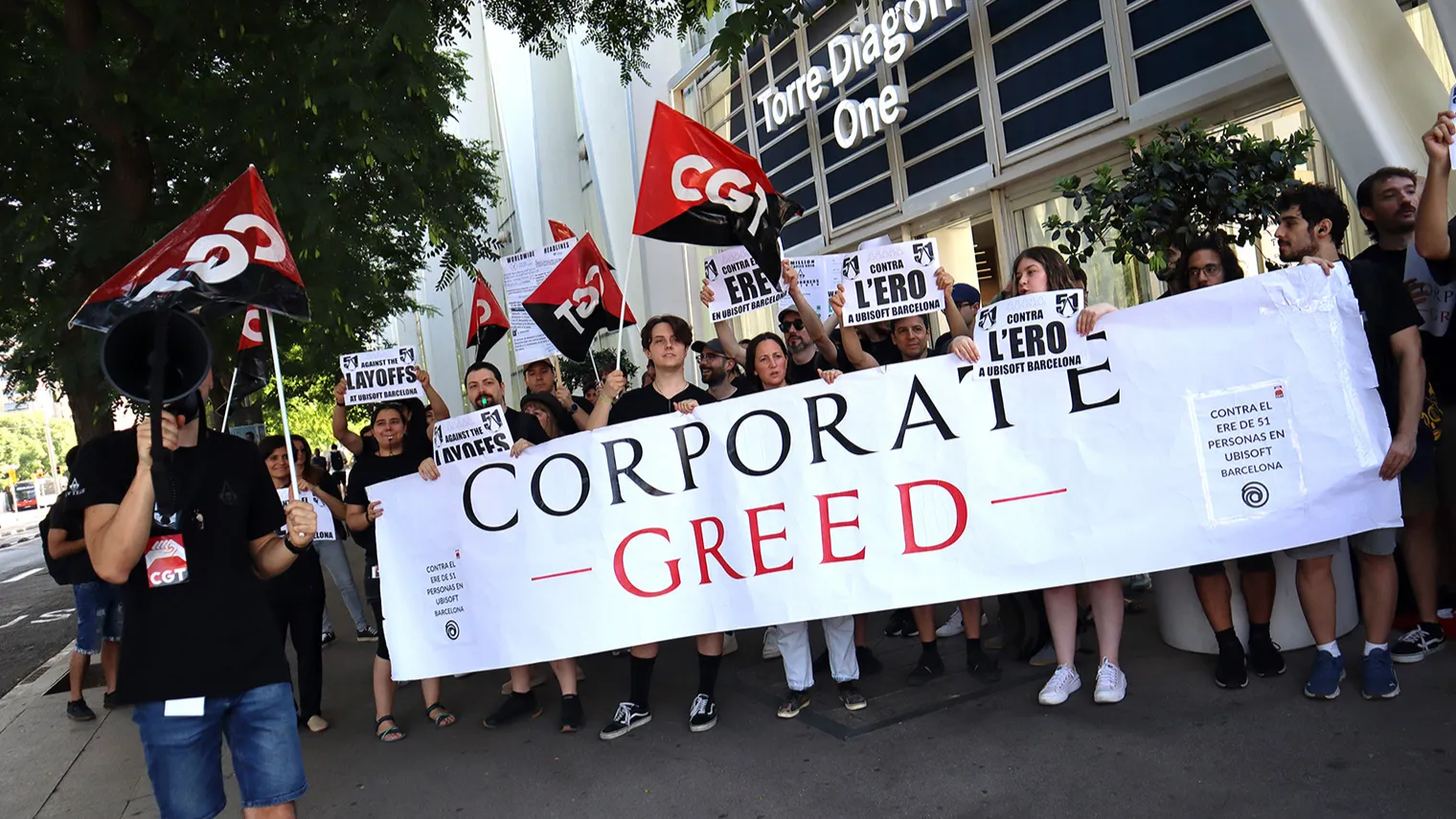
Striking Ubisoft Barcelona staff, tied to co-developer work on Assassin's Creed Black Flag Resynced, say Ubisoft's initial severance offer is “below any resonable standard” after they were told up to 51 jobs could be eliminated. The dispute matters to decision-makers because it signals how Ubisoft is reshaping studios toward Rainbow Six, while labor backlash and precedent-setting severance negotiations could ripple across other restructurings.
Ubisoft Barcelona staff tied to Assassin's Creed Black Flag Resynced are striking because they say the companys initial severance offer is “below any resonable standard,” after employees were told that up to 51 jobs were being eliminated. Negotiations began as Ubisoft outlined a restructuring that would restrict the Barcelona team to working just on the Rainbow Six franchise, IGN understands.
The stakes are immediate and practical: the people impacted are arguing they are being offered less than what they expected and less than what Ubisoft offered for previously laid off employees from the same studio. IGN reports that yesterday, as negotiations for saving roles and securing severance pay started, remaining Ubisoft Barcelona staff joined a strike with around 90 people in attendance, and that a further strike is planned for Thursday, July 16.
This comes as part of a wider wave of job losses across Ubisoft. The company is letting go of 380 staff in this downsizing, spread across Ubisoft offices in Winnipeg and Belgrade, with Belgrade closing completely, plus Barcelona and the companys global publishing division. At Ubisoft Barcelona specifically, up to 51 jobs are at risk as Ubisoft plans to cut the teams size and limit future work to Rainbow Six projects.
The labor dispute has also landed in an especially sensitive place: the exact studio being squeezed is tied to a game that has been commercially loud. Assassin's Creed Black Flag Resynced sold an impressive 2 million copies in just 24 hours, and while development on Resynced was led by Ubisoft Singapore, Barcelona contributed significantly. IGN says Barcelona handled underwater diving side-missions, and also developed “a swathe” of other locations, quests, contracts, and multiple main quests, including several showcased during pre-release hands-on previews. The studio work includes a specific in-game region called Gibara, plus enemy combat AI and bosses.
So while Ubisoft is signaling cost reduction and focus, employees are seeing it as a mismatch between output, value, and the way the company is treating the people who helped ship. That mismatch is now being dramatized, not quietly. Photos from the walkout show a large banner reading “Corporate Greed” in the style of “Assassin's Creed,” along with flags for the CGT (General Confederation of Labor) union.
If youre an executive watching this, the key point is not just the headline number of “up to 51” roles. It is the operating model Ubisoft is trying to lock in: a studio restructuring that concentrates work on a single franchise. Ubisoft spokesperson statements to IGN frame it as a proposal initiated as part of broader efforts to reduce costs and focus resources on strategic priorities. Under the proposal, the studio would focus solely on Rainbow Six projects, which may impact up to 51 employees. The spokesperson also emphasized that this remains a proposal, and no final decision will be made until the collective consultation process concludes, and that Ubisoft is committed to constructive dialogue with employee representatives and supporting employees throughout the period.
That “proposal, no final decision” language matters because it signals what comes next legally and operationally. Collective consultation processes can extend timelines, force revisions to plans, and shape how severance is ultimately structured. In other words: the severance dispute is not just emotional, it can become procedural and precedent-setting. Employees are already comparing offers to what Ubisoft offered previously laid off employees from the same studio, and one Ubisoft Barcelona employee told IGN that the severance pay being offered is “far below the minimum expected.”
Zooming out, Ubisoft has been actively reshaping its workforce across multiple studios and regions, and this pattern increases the likelihood that labor negotiations elsewhere will be viewed through the lens of whatever happens in Barcelona. In January, Ubisoft canceled six games including its Prince of Persia: Sands of Time remake and closed two studios completely, Ubisoft Stockholm and Ubisoft Halifax, while making layoffs in Abu Dhabi, at Trials studio RedLynx, and at Avatar: Frontiers of Pandora outfit Massive Entertainment. Then, a week later, Ubisoft announced plans to ditch 200 jobs at its company headquarters in Paris, leading to protests within the French capital. In February, Ubisoft had to reassure fans that its long-awaited Splinter Cell remake remained in development after 40 jobs were eliminated at Ubisoft Toronto. In March, Ubisoft confirmed that 105 staff were set to depart veteran Tom Clancy game studio Red Storm Entertainment, as part of a move that downsized the studio permanently following three previous waves of layoffs since 2022.
For other companies, the second-order implication is that restructuring is becoming a reputational and operational test, not only a finance one. When a studio is known to have delivered highly visible parts of a successful title, the human story can intensify scrutiny of severance offers and consultation processes. For investors and board members, the lesson is similarly blunt: workforce reductions that target “strategic priorities” can still trigger highly organized pushback, and that pushback can stretch timelines, increase internal uncertainty, and create a paper trail that future negotiations will inevitably reference.
As Ubisoft Barcelona moves from negotiations to escalating strike action, the collective consultation process will determine how many roles actually change or disappear. But the narrative is already set: employees believe the severance calculus is out of step with the studio's contribution to Resynced, and management is positioning the same plan as a cost and focus reset. The July 16 strike will be a near-term stress test for how quickly Ubisoft can align its restructuring plan with employee expectations before the process reaches a final decision.
This story's Key Insights and Take-aways are locked.
Create a free account to unlock Executive Actions for one credit.
Register to UnlockAlways free for Executives Club members. Join the Club
More in Business

Epic and Google drop settlement bid, forcing rival Android app stores by July 22
Google told the court it is ready to carry third-party app stores starting Wednesday, July 22.
SK Hynix opens at $170, raises $26.5B, and tops foreign IPO records
In Friday's Wall Street debut, SK Hynix turns AI RAM demand into a $26.5B fundraising moment that rewrites comps.

China lands a reusable Long March booster, a first that matches SpaceX and Blue Origin
A barge landing and net-based recovery move China from theory to proof, reshaping the reusability race and satellite ambitions.