

Ubisoft tech director Jussi Markkanen says Black Flag Resynced combats feel “hitbox-based”
The remake modernizes combat and adds a parry system, while staying “physically based” and action-oriented.
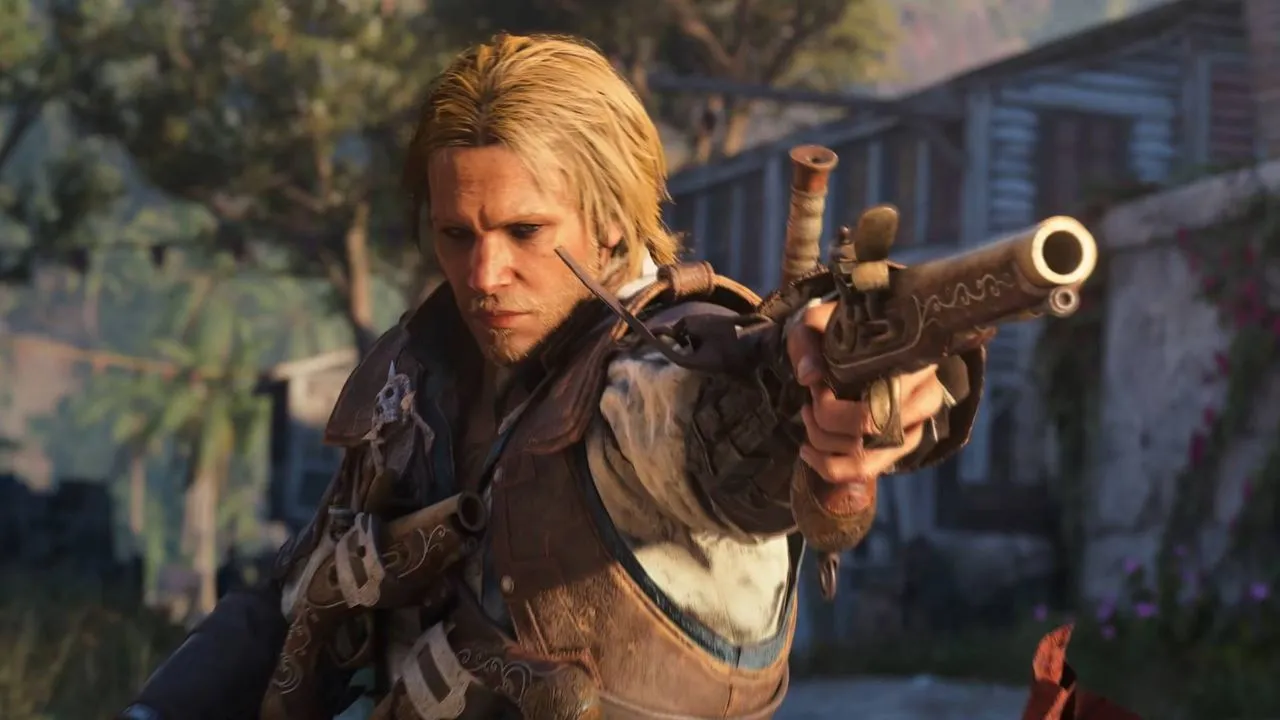
Ubisoft tech director Jussi Markkanen, speaking about Assassin's Creed Black Flag Resynced, says the team modernized combat using a hitbox-based, more reactive approach. For decision-makers, the move signals how Ubisoft is balancing legacy feel with today’s action-game expectations ahead of the July 9 release.
Assassin's Creed Black Flag Resynced is arriving July 9, and Ubisoft is drawing a clear line: it is modernizing combat, but it is not turning Edward Kenway into a generic button-masher. Jussi Markkanen, tech director on Resynced, tells GamesRadar+ that the team “modernized the combat to be more hitbox-based, as modern combat games tend to be, and a little bit more reactive.” In other words, the pirate fights in a way that matches contemporary action game timing and responsiveness, while still preserving the “flow and intent” of the original Black Flag.
The big practical shift is fluidity and feel. Markkanen says Edward can still use the hidden blades, but now as a takedown action in combat, aiming to make encounters “more fluid.” The team also introduced a parry system: “We have a parry system now, so you time your parries, but it's free movement and hitbox, so it's still physically based and built on top of the fight system we had on [Assassin's Creed] Shadows.” Then the key distinction: rather than going down Shadows’ skill-tree or RPG-style fight structure, Ubisoft “went more to the action-oriented fights.” That is the thesis in plain English: the remake borrows the mechanics modern players expect, but it is trying to keep the Black Flag identity intact.
Why this matters beyond player nostalgia is that combat design is a make-or-break lever for remakes. The source is explicit that Ubisoft is not doing a pure “copy-and-paste” of other series installments. Markkanen frames it as a balance between how the original Black Flag plays and modern expectations, with the goal of “reimagining” the structure. That term matters because it implies a controlled rewrite, not a full genre transplant. Ubisoft is essentially treating combat like product-market fit for a new audience: same pirate fantasy, but updated to reduce friction for people accustomed to modern hit detection, reactivity, and defensive timing.
From an operational and budgeting standpoint, this kind of modernization can be costly in the unglamorous places. The source points to what those places likely are: timing windows, hitbox behavior, and how movement connects to defense and tool use. Markkanen’s phrasing is telling. He emphasizes “free movement and hitbox,” and that the system is “physically based,” meaning it is not just animation swaps. It is about how the game reads space and contact between you and enemies. When Ubisoft rebuilds that layer, it tends to ripple into everything around it, including encounter pacing, how players position themselves, and how tool-based takedowns are timed in combat.
That rippling effect is also why Ubisoft is being careful about what it changes. Markkanen says the questions the team is targeting are: “How do you move? How do you position yourself? How do you use your tools that you have?” Those are not RPG questions. They are action-game questions. They also map neatly onto the pirate fantasy, because Edward is an open-water roaming character, and encounters need to feel like a fluent back-and-forth rather than a menu-driven progression. The “skills in your hands” framing is a direct statement that the remake is prioritizing moment-to-moment mechanics over longer-term, tree-based combat planning.
There is also a business-friendly signal for completionists and, by extension, for long-tail engagement. The source says “no achievement can be missed,” and none are tied to a difficulty setting. That is a material design and retention choice. Achievements that require particular difficulties can create a friction point where players either grind or quit. By removing difficulty-tied achievement gating, Ubisoft reduces the barrier to 100 percent progression, which can support sustained play after launch, especially for players who are drawn to collect-and-complete behaviors.
Even without invoking regulatory filings, the industry context is clear. Video game remakes live in a trust economy. Players will tolerate changes when the “intent” stays consistent, but they will punish games that feel like a different product wearing the original skin. Markkanen’s language suggests Ubisoft wants to avoid that trust break. They are modernizing hit detection and responsiveness, adding a parry system with timed defense, and shifting toward action-oriented fights built on the fight system from Assassin’s Creed Shadows. But they also call out the guardrails: physically based combat, hitbox and movement continuity, and Edward’s hidden blades retained as takedowns.
For executives and board members watching the remake pipeline, the takeaway is that Ubisoft is iterating on a repeatable formula: keep the legacy identity, upgrade the combat layer to match modern responsiveness expectations, and reduce the friction of progression systems like achievements. The strategic stakes are simple. If the combat feels right, the remake can convert both returning fans and new players at launch. If it feels off, you do not just lose reviews. You can lose the next remake buyer who was waiting to see if “reimagining” actually means improvement. On paper, July 9 is the test date for whether this hitbox-and-parry modernization lands without breaking the pirate’s original feel.
This story's Key Insights and Take-aways are locked.
Create a free account to unlock Executive Actions for one credit.
Register to UnlockAlways free for Executives Club members. Join the Club
More in Entertainment

Russell Brand's accuser 'bewildered and confused' as he denies 7 sex charges
The criminal case against the comedian is a live test of how media companies manage talent risk when serious allegations go public.

'It's a Magic Trick': Ballet Experts Say Rosalía's SNL Pose Is Impossible
Three ballet experts tell Rolling Stone Rosalía's gravity-defying SNL stillness shouldn't be possible - and why the debate is now part of the show.

Activision CMO: GTA 6 Will Boost Call of Duty, Not Bury It
Activision's top marketer says Rockstar's blockbuster will drive players back to consoles and into Modern Warfare 4, even as the company admits its recent strategy failed.