
UK defence investment plan gets “too little, too late” pushback before autumn launch
Tories and Lib Dems attack the timing and scale, while the political calendar tightens around No 10 plans and credibility.

The Guardian reports the UK defence investment plan, originally due in the autumn, is being criticised as “too little, too late” by the Tories and Lib Dems. Decision-makers now have to navigate a credibility test that can spill into procurement, budgets, and coalition discipline.
A UK defence investment plan originally due in the autumn is already taking heat for being “too little, too late”, with the Tories and Lib Dems criticising it ahead of launch. The timing matters because defence budgets do not behave like consumer spending. Once you move, you lock in multi-year procurement, industrial capacity, and workforce plans. If the plan arrives late, the market and suppliers plan around something else. Then it is harder, and usually more expensive, to pivot.
The criticism is happening while UK politics remains unusually performance-driven, and that is where the second strand in The Guardian story lands. Reporting in the same piece, Pippa Crerar notes that Andy Burnham, in her account of his speech yesterday, intends to remain living in his family home in Greater Manchester rather than in Downing Street. Sources told The Guardian that he would only reside in the flat above No 10 during the week. The point is not just where someone sleeps. It is the optics of commitment, the narrative of leadership, and the ability to withstand political scrutiny.
Put them together and you get a familiar but high-stakes pattern: when lawmakers doubt a plan’s adequacy or its schedule, the debate moves from policy details to credibility. “Too little, too late” is a direct challenge to both scale and tempo. In defence, that translates into questions that procurement teams cannot ignore, even if they are not the ones arguing in Parliament. Are contracts sized to meet operational needs? Is industrial capacity being funded in time? Will equipment and upgrades be paced to match real-world readiness timelines? The “autumn” deadline being contested matters precisely because it frames expectations inside departments and across the supply chain.
Historically, defence investment planning is a mix of long-horizon projects and short-horizon political pressures. Capital projects take time to design, tender, and deliver, and the industrial base needs runway. If the political process drags, it can force departments into stop-start funding patterns. That is where critics can gain leverage. They can argue that even if the eventual spend is “enough” on paper, the delay undermines the operational benefit. The Guardian’s framing of “too little, too late” captures that two-part attack, and it is especially potent if the opposition can point to the gap between promises and timelines.
The political dynamic also matters for executives and boards who live in the world of incentives. Opposition parties typically have different goals from the government. Governments want a plan that is defensible, implementable, and politically survivable. Opposition parties want leverage points. By attacking both adequacy and schedule, the Tories and Lib Dems are effectively saying: you cannot just spend more later and hope it lands. You must land it now, at the right level. That kind of critique pressures not only ministers, but also the civil service teams that translate investment plans into procurement pipelines.
Then there is the No 10 narrative layer. The Guardian adds that Burnham would only stay in the flat above No 10 during the week, while remaining based in Greater Manchester at other times. That detail signals how leadership is being evaluated in parallel on substance and symbolism. In a Westminster context, “where you are” can be treated as a proxy for “how committed you are,” even when the operational work is happening elsewhere. For policy managers, it means headlines can shape political capital. For suppliers and contractors, it means procurement timelines can become entangled with the pace of political settlement.
For decision-makers, the second-order implications are blunt. If a defence plan is under attack before it launches, it can become harder to build cross-party buy-in. That can influence how quickly budgets are approved, how procurement decisions are defended, and how risk is allocated between government buyers and private providers. It can also affect board-level confidence at firms tied to defence contracts, since delayed or contested policy commitments can ripple into staffing plans, inventory decisions, and investment in production capacity.
And if you are running any organisation that depends on government procurement, the meta-lesson is uncomfortable: the market reads politics. A headline about “too little, too late” does not stay in the press. It becomes a signal to internal stakeholders, suppliers, and capital planning teams that the schedule may be the battleground, not just the number. Meanwhile, leadership optics, like Burnham staying in Greater Manchester and using the No 10 flat only during the week, become another signal that narratives can dominate the calendar. In defence, where delays have real consequences, credibility is not a branding exercise. It is a constraint on how effectively money turns into readiness.
This story's Key Insights and Take-aways are locked.
Create a free account to unlock Executive Actions for one credit.
Register to UnlockAlways free for Executives Club members. Join the Club
More in Politics
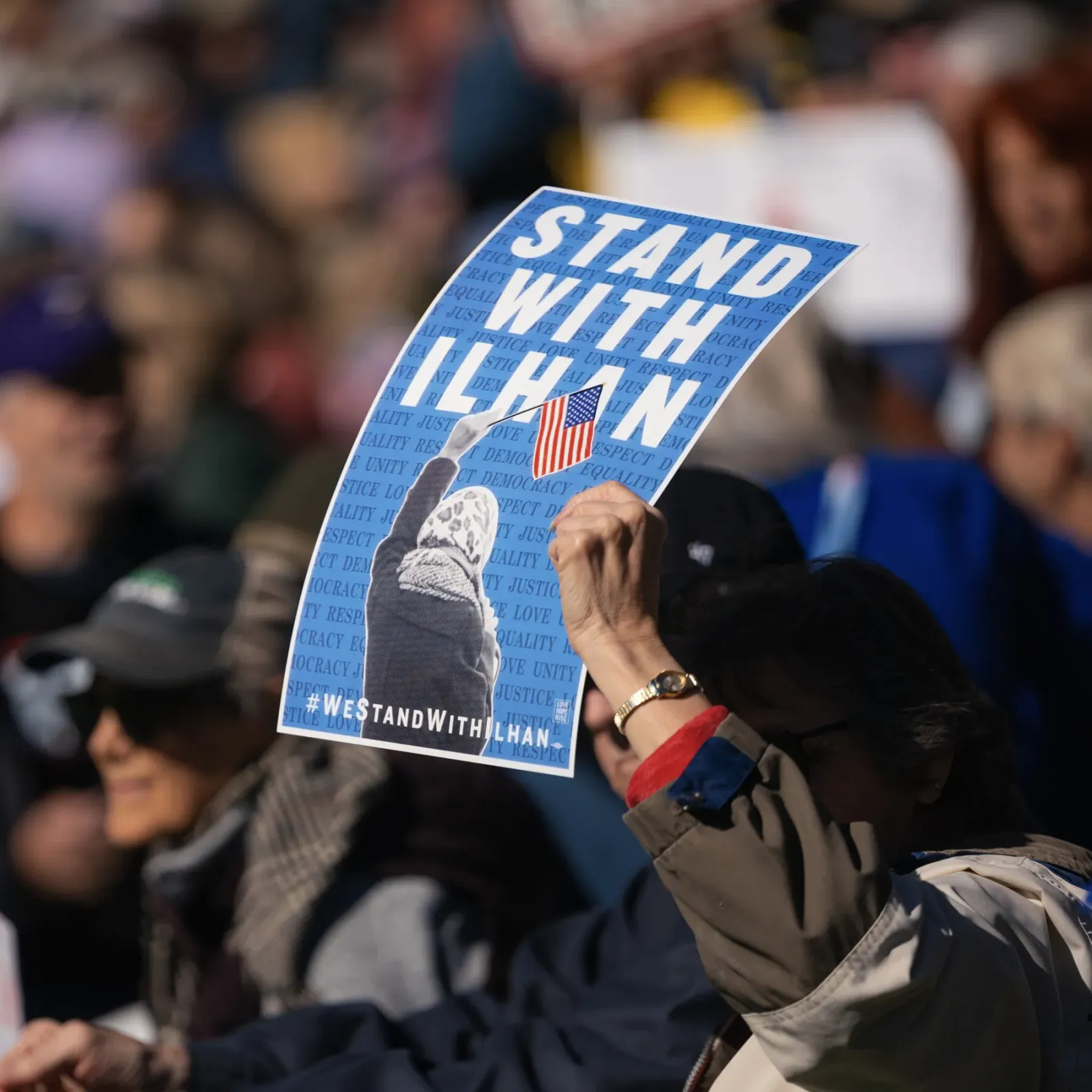
Obama Defends Ilhan Omar After Agents Search Her Home in Trump Inquiry
The former president's intervention raises the stakes in a federal probe into immigration paperwork that has put a prominent progressive lawmaker in the crosshairs.

Blair-era minister: cut welfare to fund youth job support
Alan Milburn's call for welfare cuts to fund employment support opens a Labour fight over benefits and the Neet crisis.
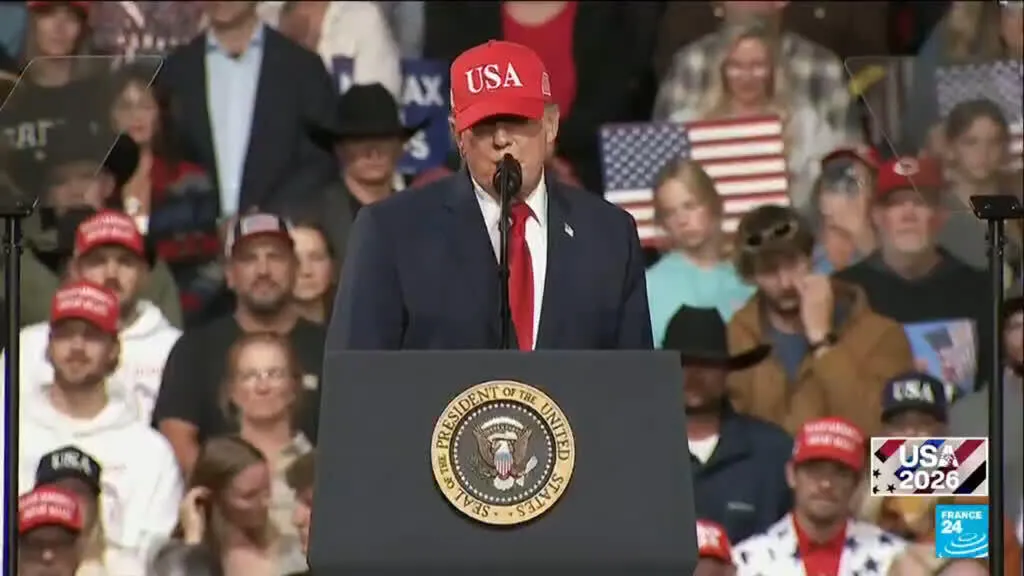
Hot September CPI: energy costs surge, voters feel the squeeze before midterms
The latest inflation print lands as Trump campaigns for GOP control of Congress, putting cost-of-living worries at the center of the midterm fight.