

UK’s CMA challenges Apple and Google’s app-store duopoly with new steering rules
Developers may be allowed to guide users to buy outside Apple and Google, aiming to widen competition and lower friction for consumers.

The UK Competition and Markets Authority (CMA) says Apple and Google have an “effective duopoly” on mobile app stores and wants rules that let developers steer users away from those stores for payments. If adopted, the change could shift how app purchases are routed, how fees are captured, and how future platform competition plays out for regulators and companies.
The UK’s Competition and Markets Authority (CMA) is taking direct aim at Apple and Google’s “effective duopoly” over mobile app stores by pushing for a new ability for developers: steering users away from in-app purchases inside Apple and Google’s stores.
In plain English, the CMA’s core idea is that app owners should not be forced into the same payment funnel controlled by the mobile platform gatekeepers. The CMA argues that consumers and app owners are being let down by restrictions that prevent spending money outside each app store. The watchdog’s proposed solution is to allow developers to guide users to alternative payment routes, with the goal of increasing competition.
This matters because app stores are not just download marketplaces anymore. They are the billing layer, the discovery layer, and the compliance layer rolled into one. When one or two platforms control that bundle, competition gets weird. Instead of “best price wins” or “best app wins,” the fight shifts toward policy compliance and the economics of platform fees. For developers, that can mean margins are dictated by the platform relationship. For consumers, it can mean less choice about where payments happen and how much friction they face.
The CMA framing is also recognizably regulatory. The watchdog is not just saying Apple and Google are big, or that there should be more innovation. It is arguing that current restrictions create a structurally tilted market, where the duopoly effect persists even if there are technically other channels for apps to exist. By using the phrase “effective duopoly,” the CMA is pointing to real-world outcomes: in practice, developers and users are funneled toward the platform-controlled spending mechanisms.
For executives, the immediate question becomes: what changes if steering is allowed? The source is clear on the direction of travel. Developers should be able to steer users away from app stores for payments. That means the “default” customer journey could become less rigid, and the billing relationship could be partly unbundled. The second-order implication is that the basis for platform power might weaken. If developers can present payment alternatives, then the platform’s leverage over monetization starts to look less absolute.
This is where boards and senior leadership teams have to think in systems, not slogans. The CMA’s argument is that restrictions on spending money outside app stores are leaving consumers and app owners without the benefits that come from healthy competition. If the regulator forces or incentivizes changes, platform companies may need to revisit how they price, how they structure rules, and how they manage compliance. Even if the exact implementation details are contested, the strategic center of gravity shifts toward “can we still lock monetization end-to-end?”
From a market perspective, steering rules are a lever that changes incentives quickly. Developers typically optimize for outcomes they can control. If they gain a way to route payments outside the platform, they may be able to test different monetization models, negotiate different commercial assumptions, or reduce dependency on a single fee structure. Consumers, meanwhile, might face different levels of friction or choice depending on how payment flows are designed. The CMA’s stated goal is to increase competition, but the lived experience for users will depend on how steering is permitted and how payments are executed end-to-end.
Finally, regulators are watching outcomes, not intention. The CMA is challenging the duopoly by arguing that the current restrictions do not just inconvenience developers, they “let down” consumers and app owners. That choice of language signals the regulator sees a consumer welfare angle as well as an industry-structure angle. For other companies with mobile distribution at scale, it also signals what may come next: additional scrutiny of gatekeeper conduct, additional pressure to loosen constraints, and more insistence that market participants can act on the opportunities they want, not just the ones the platform allows.
This story's Key Insights and Take-aways are locked.
Create a free account to unlock Executive Actions for one credit.
Register to UnlockAlways free for Executives Club members. Join the Club
More in Technology

Riverside adds AI newsletter publishing from recordings, betting podcast creators want an owned audience
The podcasting platform Riverside is moving into newsletters, letting users generate newsletters from their recordings with AI.
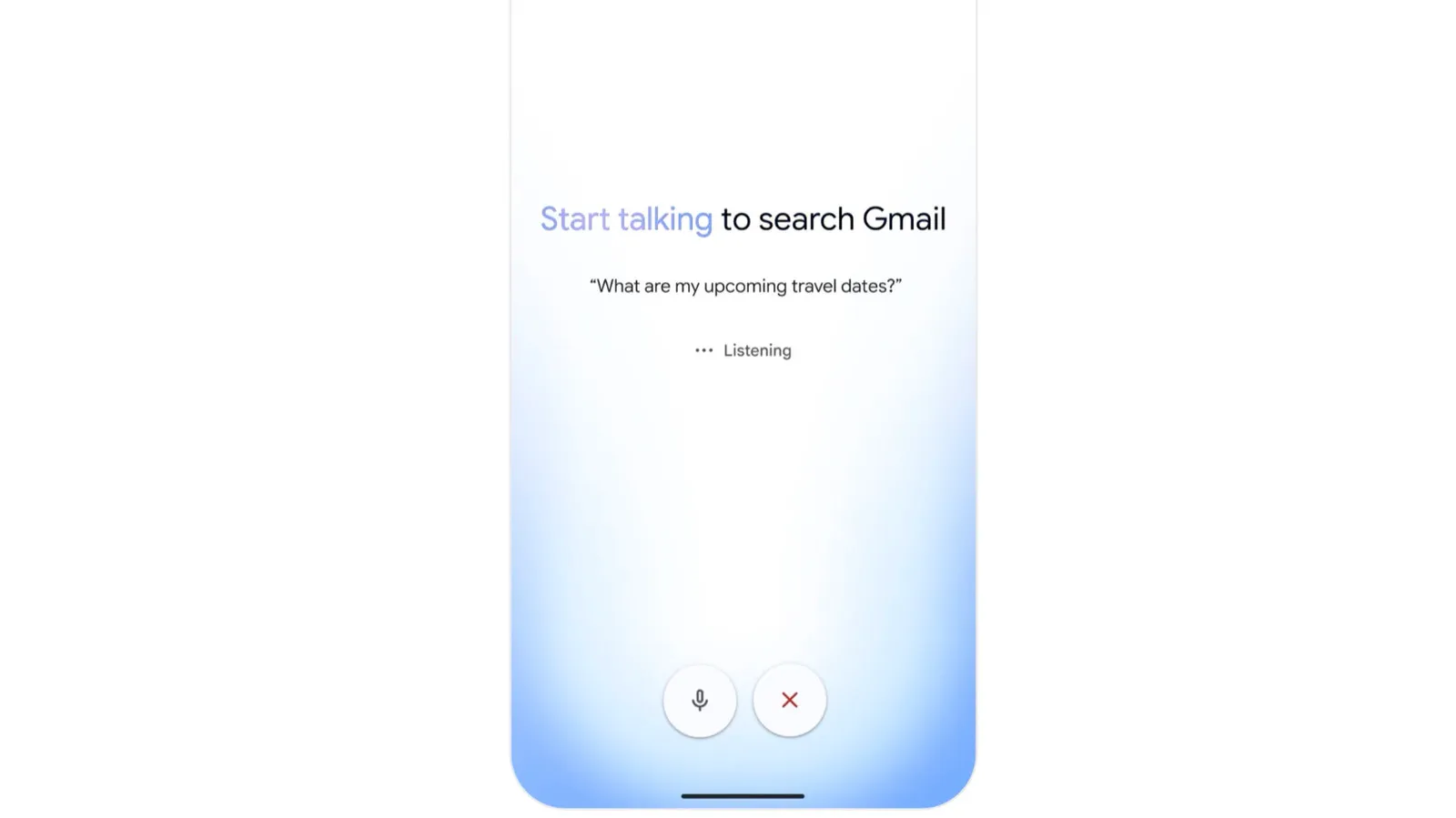
Google rolls Gemini natural-language search into Gmail, now in beta
Gmail can answer in plain English using Gemini, turning your inbox into a searchable database.

AeroVironment jumps 21% as defense spending surge boosts drones for modernization and space
The dronemaker’s rally signals how U.S. military and space priorities are turning into near-term procurement momentum.