
UK warns Eritrea: accept deportees or face visa ban
Home Secretary Shabana Mahmood escalates a returns dispute by stripping Eritrean VIPs of fast-track visas and threatening a wider ban.

Home Secretary Shabana Mahmood warned that Eritreans could be barred from the UK unless Eritrea resumes accepting rejected asylum seekers and criminals. The threat follows Eritrea's abrupt withdrawal from returns cooperation and the removal of fast-track visa access for its officials.
Home Secretary Shabana Mahmood has warned that Eritreans could be stopped from coming to the UK unless the east African country agrees to take back more rejected asylum seekers and criminals. The warning, reported by The Guardian, comes after Eritrea abruptly withdrew its cooperation on returns earlier this year, leaving the UK with a backlog of removal cases it cannot process through normal channels.
Mahmood has already stripped VIPs and officials from Eritrea of fast-track access to UK visas, a significant downgrade for a government that relies on smooth travel for diplomatic and business engagements. The threat of a full visa ban is the next rung on an escalation ladder the Home Office is clearly willing to climb, and it signals that the UK is prepared to use its visa system as leverage in a standoff over deportations.
The dispute sits at the intersection of two sensitive policy areas: immigration enforcement and diplomatic leverage. When a country refuses to accept its own nationals, the UK cannot simply deport them; international law requires the receiving country to cooperate. Eritrea's withdrawal of that cooperation effectively freezes a portion of the UK's removal pipeline, creating a practical and political problem for the Home Office. Rejected asylum seekers and convicted criminals who cannot be returned remain in the UK, adding to the asylum backlog and complicating the government's stated commitment to a firm and fair immigration system.
For context, returns agreements are a standard but often fragile part of migration policy. Countries use them to manage asylum claims and remove individuals with no legal right to remain. When cooperation breaks down, governments typically respond with pressure tactics: visa restrictions, aid conditionality, or public ultimatums. The UK's move against Eritrea is a textbook example of the visa lever being pulled first, and it reflects a broader trend of using migration tools to achieve diplomatic outcomes. The Home Office is betting that the threat of isolation will bring Eritrea back to the table, but there is no guarantee that a country which has already withdrawn once will bend under pressure.
The stakes for Eritrea are not trivial. Its officials and VIPs have lost the convenience of fast-track visa processing, which can mean longer waits, more scrutiny, and more denials. A full ban would cut off a legal route for Eritreans to travel to the UK for business, education, or family visits, and it would signal that the UK considers the relationship secondary to its domestic migration priorities. For a country with a significant diaspora in the UK, such a ban would also disrupt remittances, family ties, and cultural exchange, making the diplomatic cost of the standoff higher than a simple visa dispute.
For the UK, the threat is a double-edged sword. A visa ban could reduce the number of Eritrean nationals arriving, but it also complicates future diplomatic engagement and could make it harder to secure cooperation on other issues. The Home Office is walking a careful line: it wants to pressure Eritrea without permanently damaging the bilateral relationship. The move also sends a message to other countries that refuse to cooperate on returns, signaling that the UK is willing to escalate beyond quiet diplomacy. That could embolden similar moves elsewhere, but it also raises the risk of reciprocal action against UK nationals or businesses operating in those countries.
The broader lesson for executives and boards is that migration policy is increasingly being used as a tool of statecraft. Companies with operations in countries like Eritrea, or with workforces that depend on cross-border mobility, should watch these disputes closely. Visa regimes can change quickly, and a political standoff in one region can suddenly affect talent movement, supply chains, or market access. For decision-makers, the Eritrea standoff is a reminder that immigration policy is not just about borders; it is a bargaining chip with real economic consequences for everyone involved.
This story's Key Insights and Take-aways are locked.
Create a free account to unlock Executive Actions for one credit.
Register to UnlockAlways free for Executives Club members. Join the Club
More in Politics
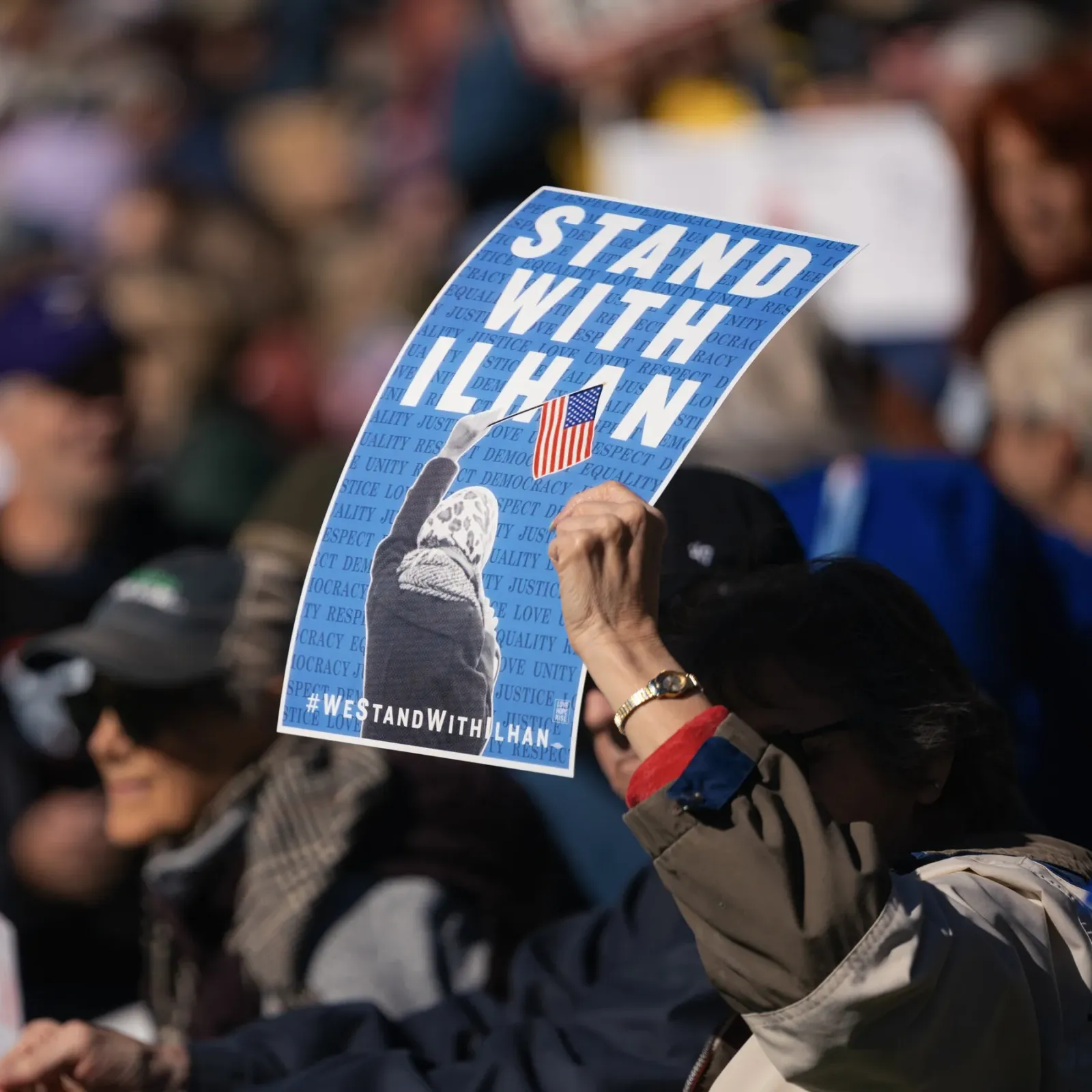
Obama Defends Ilhan Omar After Agents Search Her Home in Trump Inquiry
The former president's intervention raises the stakes in a federal probe into immigration paperwork that has put a prominent progressive lawmaker in the crosshairs.

Blair-era minister: cut welfare to fund youth job support
Alan Milburn's call for welfare cuts to fund employment support opens a Labour fight over benefits and the Neet crisis.
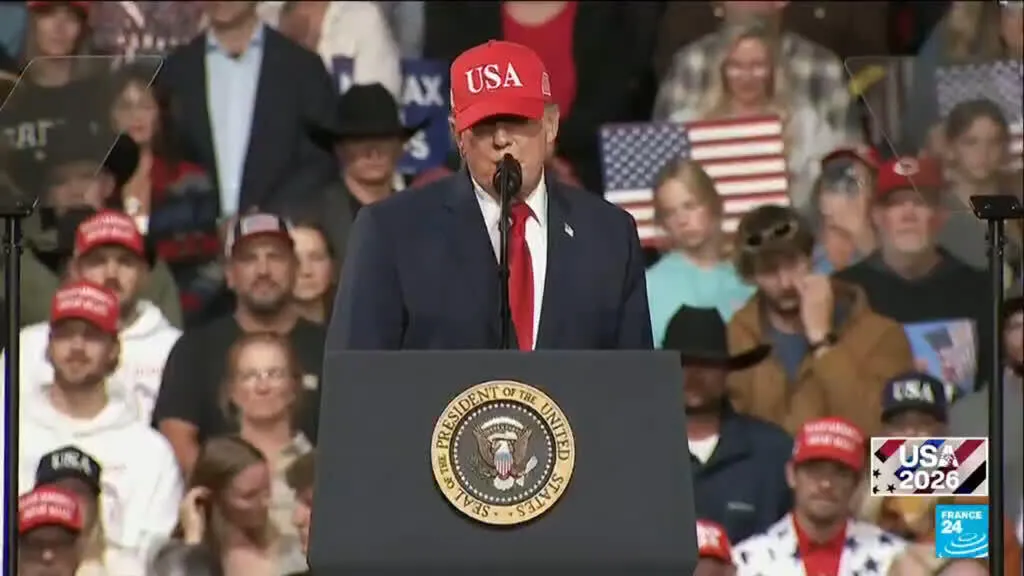
Hot September CPI: energy costs surge, voters feel the squeeze before midterms
The latest inflation print lands as Trump campaigns for GOP control of Congress, putting cost-of-living worries at the center of the midterm fight.