

Ukraine expands AWOL return: troops can pick units from 70 options before Sept. 20
Kyiv says absent-without-leave soldiers can choose deployment area, commander, and job, in a push to cut massive AWOL backlog.
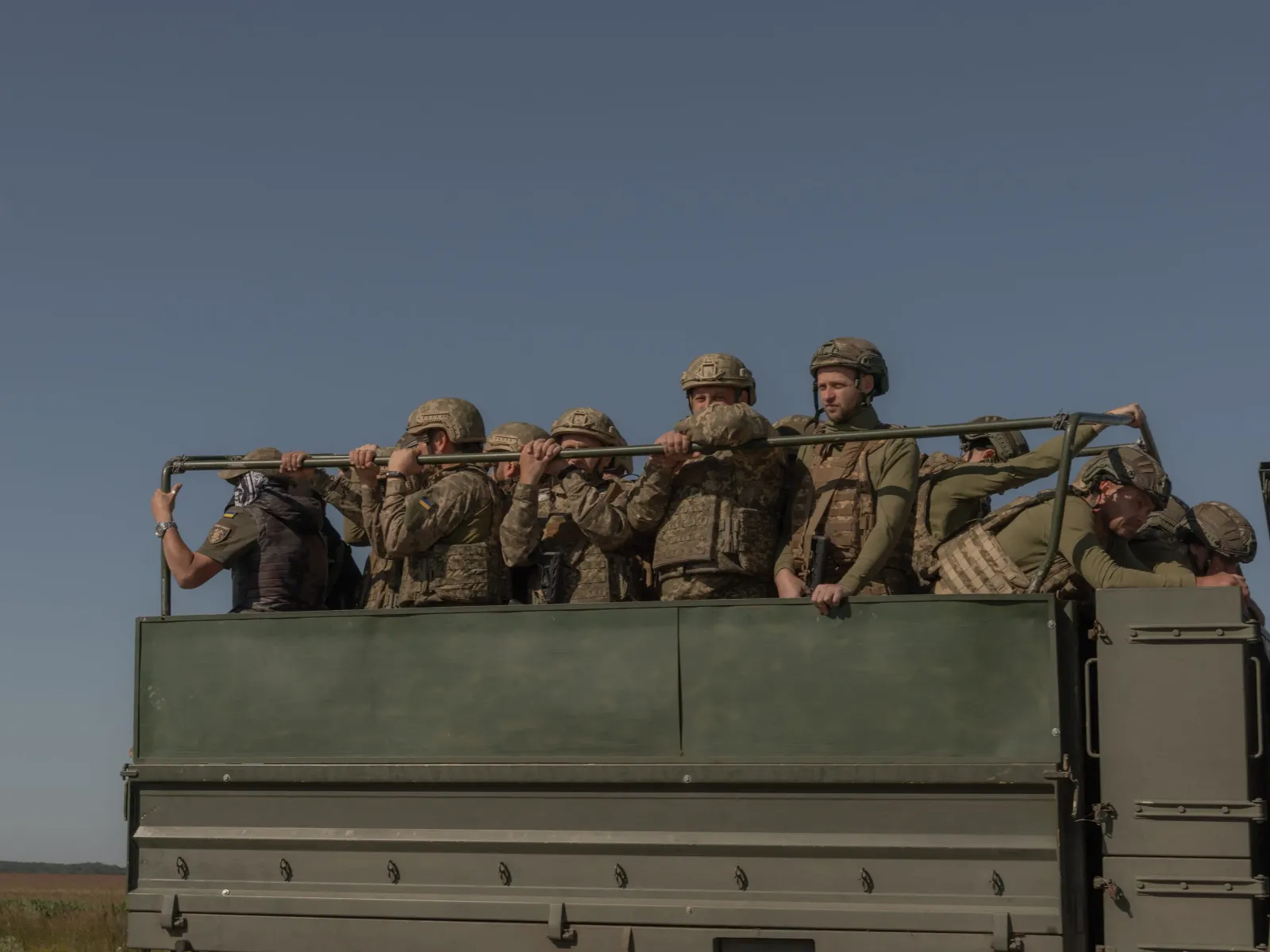
Ukraine's defense ministry expanded a voluntary return program for AWOL troops, letting them choose from over 70 units across its three ground branches. The change has major implications for manpower planning, morale dynamics, and the management of force readiness.
Ukraine is trying to turn a messy manpower problem into a controlled, incentives-driven process. In a Friday announcement, Kyiv said it would let troops who are absent without leave, or AWOL, choose from over 70 units across its three ground branches if they redeploy. Those troops have until September 20 to apply, and the ministry frames the move as an expansion of a voluntary return program launched in June.
The point is simple and stark: missing soldiers can indicate preferences for where they want to serve and in what roles, with the “chance to choose their new area of deployment, commander, and job” acting as the carrot. This is designed to coax tens of thousands of AWOL troops back within 100 days. For decision-makers tracking readiness, the program is a bet that choice and faster redeployment can break a cycle Ukraine has struggled with for years: keep fewer troops, fatigue the rest, and make retention even harder.
If you have ever tried to manage a complex organization with uneven performance, you already get the second-order problem. Ukrainian commanders and units can develop reputations on social media for survival rate and welfare, which makes some units far more popular than others. Mobile phones on the battlefield are common in Ukraine, meaning these reputations can spread quickly and shape demand. That matters because the defense ministry’s Friday announcement also includes a caveat: there are limited positions in individual areas. So the system can’t promise everyone their top pick. The ministry warned that those who have already decided on a unit, area of service, and desired position should not delay submitting a report.
Under the updated program, the defense ministry says the process is meant to avoid bureaucracy. The ministry said it “allows you to choose a new military unit from a specified list, indicate your desired direction of service and previous experience, receive support from the contact center, and arrive immediately at the new unit.” In other words, the system is designed to reduce friction and time-to-assignment, which is often where voluntary programs stall. For commanders and planners, faster redeployment can be the difference between a staffing gap that grows for weeks and one that gets closed.
This program also marks a break from older handling of AWOL cases. Previously, an AWOL soldier had to report to the military law enforcement service to officially register their absence, which is punishable by up to 10 years in prison. After that registration, troops would be sent to a reserve battalion, where they could be redeployed to a new unit. The new approach skips that entire pathway, the ministry said, instead sending AWOL troops directly to their preferred unit.
There are additional guardrails, and they are telling. The ministry said that once troops join under this program, they will be blocked from involuntary transfer to another unit for six months. That matters because the core promise of choice can collapse if a soldier believes their assignment can be yanked unpredictably. Creating a six-month stability window is a way to reinforce the incentives. It also signals that the ministry is not just trying to increase headcount, but trying to keep redeployed soldiers from feeling like they traded one form of uncertainty for another.
The operational details also show how Ukraine is modernizing its force management. Instead of reporting to the military police, the AWOL troops can apply to rejoin the war via a website or Ukraine’s military mobile app, Army+. The announcement ties into a broader effort to retain personnel and “radically modernize” the military’s structure. The ministry was led until recently by the maverick Mykhailo Fedorov, and the article notes that the defense ministry has sought to reassure soldiers that new systems are designed with common sense, not bureaucracy, in mind.
To understand why this is a big deal, you have to look at the scale. Fedorov told Business Insider in January that Ukraine had logged over 200,000 AWOL cases since the war began. That figure may be significantly inflated by an administrative loophole that allowed disgruntled troops to dodge the red tape of transferring units by going AWOL. Ukraine’s staffing challenge is therefore not only a legal or disciplinary story, but also a systems and process story, where the wrong workflow can generate more AWOL than it resolves.
Complicating things further, the article says Ukraine recently raised troop salary ceilings dramatically, with assault soldiers able to earn over six figures a year depending on how frequently they fought. That’s the other side of the incentive equation: money plus agency. But choice without capacity still has to be managed, and reputation-driven demand can overload the most desirable units. Executives and board-level leaders in any manpower-dependent sector can see the parallel: you can offer incentives, but you also need capacity planning, transparent rules, and credible enforcement, otherwise the program becomes a pressurized market where only the lucky get what they want.
Ukraine’s voluntary return program is therefore not just a personnel policy. It is an attempt to control a force readiness risk that is large enough to shape fatigue, morale, and operational continuity. By letting AWOL troops choose among over 70 units, while limiting positions and setting a deadline of September 20, Kyiv is trying to reduce friction and increase participation before the backlog hardens. The strategic stakes for peers watching the conflict and for anyone managing large organizations with high churn are clear: the faster and more credibly you can convert “missing” into “mobilized,” the less likely you are to spiral into deeper shortages.
This story's Key Insights and Take-aways are locked.
Create a free account to unlock Executive Actions for one credit.
Register to UnlockAlways free for Executives Club members. Join the Club
More in Politics
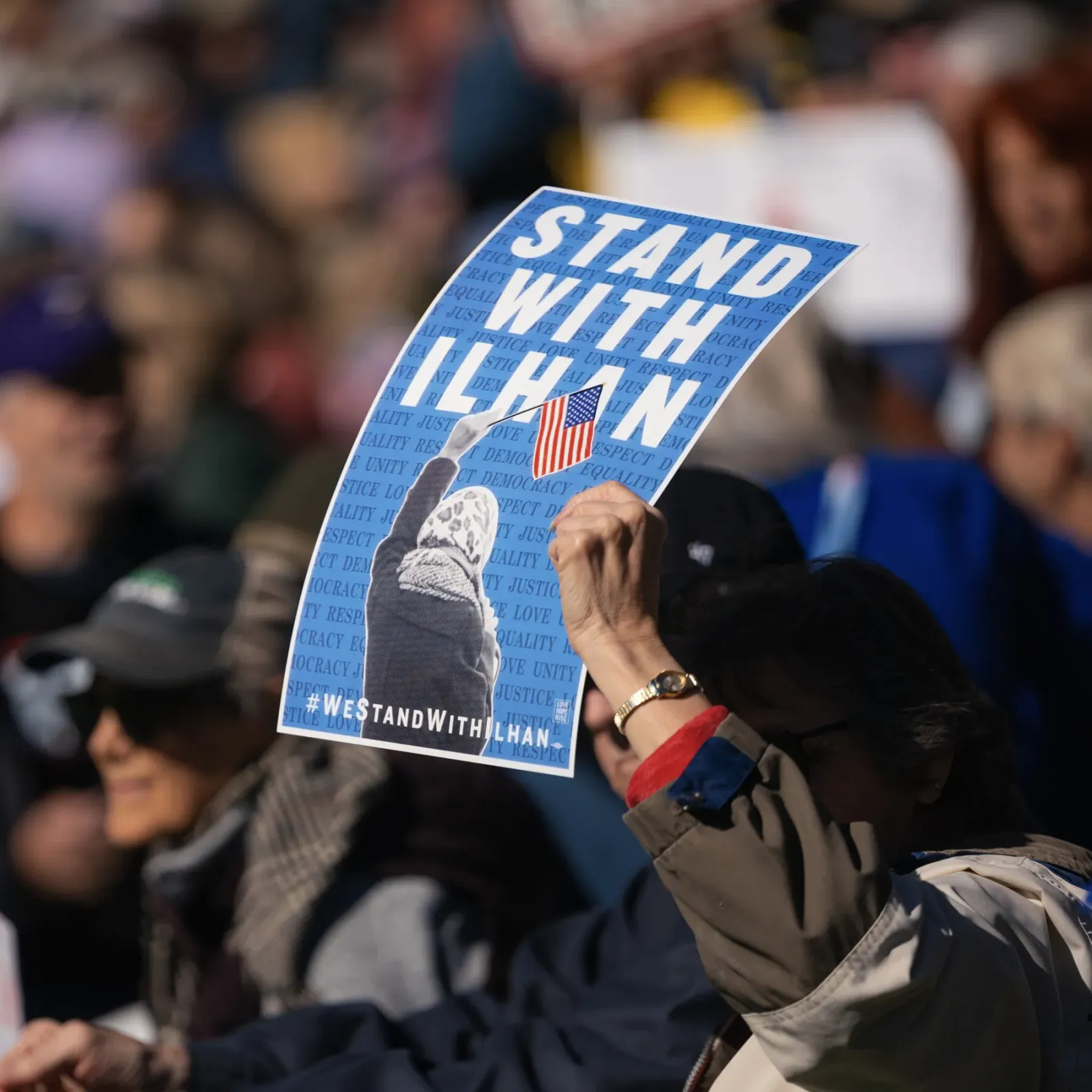
Obama Defends Ilhan Omar After Agents Search Her Home in Trump Inquiry
The former president's intervention raises the stakes in a federal probe into immigration paperwork that has put a prominent progressive lawmaker in the crosshairs.

Blair-era minister: cut welfare to fund youth job support
Alan Milburn's call for welfare cuts to fund employment support opens a Labour fight over benefits and the Neet crisis.
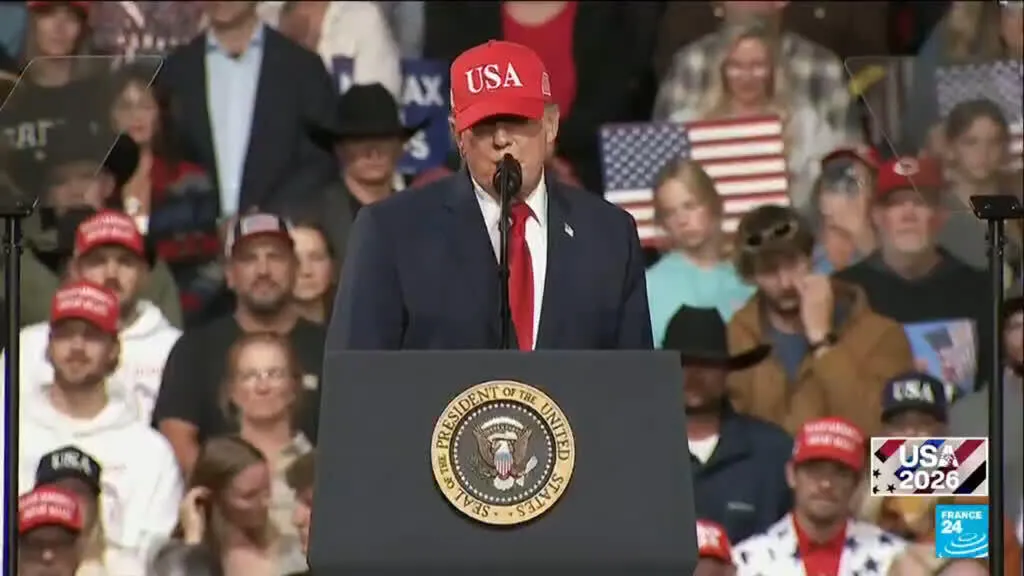
Hot September CPI: energy costs surge, voters feel the squeeze before midterms
The latest inflation print lands as Trump campaigns for GOP control of Congress, putting cost-of-living worries at the center of the midterm fight.