

Ukraine hits Wildberries warehouses on July 24, targeting Russia supply chain
The July 24 warehouse strikes, plus a separate factory attack and strikes near Kyiv, underline how logistics becomes a battlefield.

Ukraine struck several warehouses owned by Wildberries, a Russian ecommerce giant described by the report as the so-called 'Russian Amazon,' on July 24. The attacks killed at least six people in a separate factory strike and at least ten in Russian strikes just outside Kyiv.
Ukraine attacked several warehouses owned by Wildberries on July 24, aiming at the infrastructure the report says helps supply the Russian army. The report frames the target in plain logistics terms: warehouses are not just real estate and inventory. They are the physical nodes that turn orders into movement, and movement into sustained operations. When those nodes get hit, the impact is not only immediate damage, it is disruption to whatever downstream schedule depends on that flow.
The same day also included two other major strike events described by the report. A separate attack on a factory killed at least six people. Meanwhile, Russian strikes just outside Kyiv killed at least ten. Put together, the day looks like a coordinated pattern: hit warehousing and manufacturing, then pressure areas tied into the broader movement of goods and people. For executives, the operational takeaway is that “supply chain” in a war zone stops being a business concept and becomes a survival problem.
Wildberries is described in the report with a nickname that matters for how leaders interpret the risk: it is called the so-called 'Russian Amazon.' That label is not just branding. It signals the scale and role of the platform in retail fulfillment, meaning warehouses are likely to be high-throughput, constantly restocked, and tightly networked. In normal times, ecommerce logistics is optimized for speed and efficiency. In wartime, the same optimization can increase fragility, because dense networks compress time between receipt, sorting, and dispatch. If you rely on a few warehouse hubs, you also concentrate risk.
There is also a regulatory and compliance angle that executives should not gloss over. Cross-border commerce, shipping lanes, payment rails, and procurement relationships typically operate under complex legal frameworks. In conflict settings, the question becomes not only whether a platform is “in the loop,” but whether its assets and operations can be linked to military support. The report states Ukraine says the Wildberries warehouses supply the Russian army. Even if the exact evidentiary chain is contested in public information, the practical consequence is the same for corporate leaders: any perceived linkage can elevate physical, legal, and reputational exposure simultaneously.
Then there is the market angle, especially for boards and risk committees that oversee continuity planning. When attacks concentrate on logistics and industrial sites, the second-order effect can be felt far beyond the blast radius. Warehouse downtime affects delivery promises, inventory availability, and downstream vendors. That can trigger customer churn and contract disputes. It can also strain cash flow because companies are forced to manage losses on damaged assets while simultaneously funding reroutes, safety measures, insurance negotiations, and replacements. In wartime environments, those costs can become unpredictable, and uncertainty itself becomes a balance sheet problem.
Executives also have to think about signaling. This report describes multiple attacks in a compressed timeframe: warehouse strikes attributed to Ukraine, plus lethal Russian strikes near Kyiv, plus a separate factory attack that also killed at least six. In conflicts, the choice of target communicates priorities. If logistics providers and fulfillment sites are treated as legitimate military-relevant infrastructure, then other ecommerce and distribution operators with comparable footprint face an elevated threat assessment. Boards for companies with large warehouse networks typically respond by revisiting site selection, dispersion strategies, and contingency logistics. The underlying decision is whether the company’s operational model can tolerate concentrated disruption or must shift toward redundancy.
For peers watching these developments, the strategic stakes are straightforward. Leaders in retail, ecommerce, industrial supply, and logistics do not get to treat warehousing as background infrastructure when attacks make it front-page. Even without additional details beyond what the report provides, the core pattern is clear: on July 24, Ukraine hit Wildberries warehouses it says support the Russian army, a factory attack killed at least six, and Russian strikes near Kyiv killed at least ten. That combination is a reminder that in this type of conflict, supply chain resilience is not a slide deck concept. It is a real-time operational and governance challenge.
This story's Key Insights and Take-aways are locked.
Create a free account to unlock Executive Actions for one credit.
Register to UnlockAlways free for Executives Club members. Join the Club
More in Politics
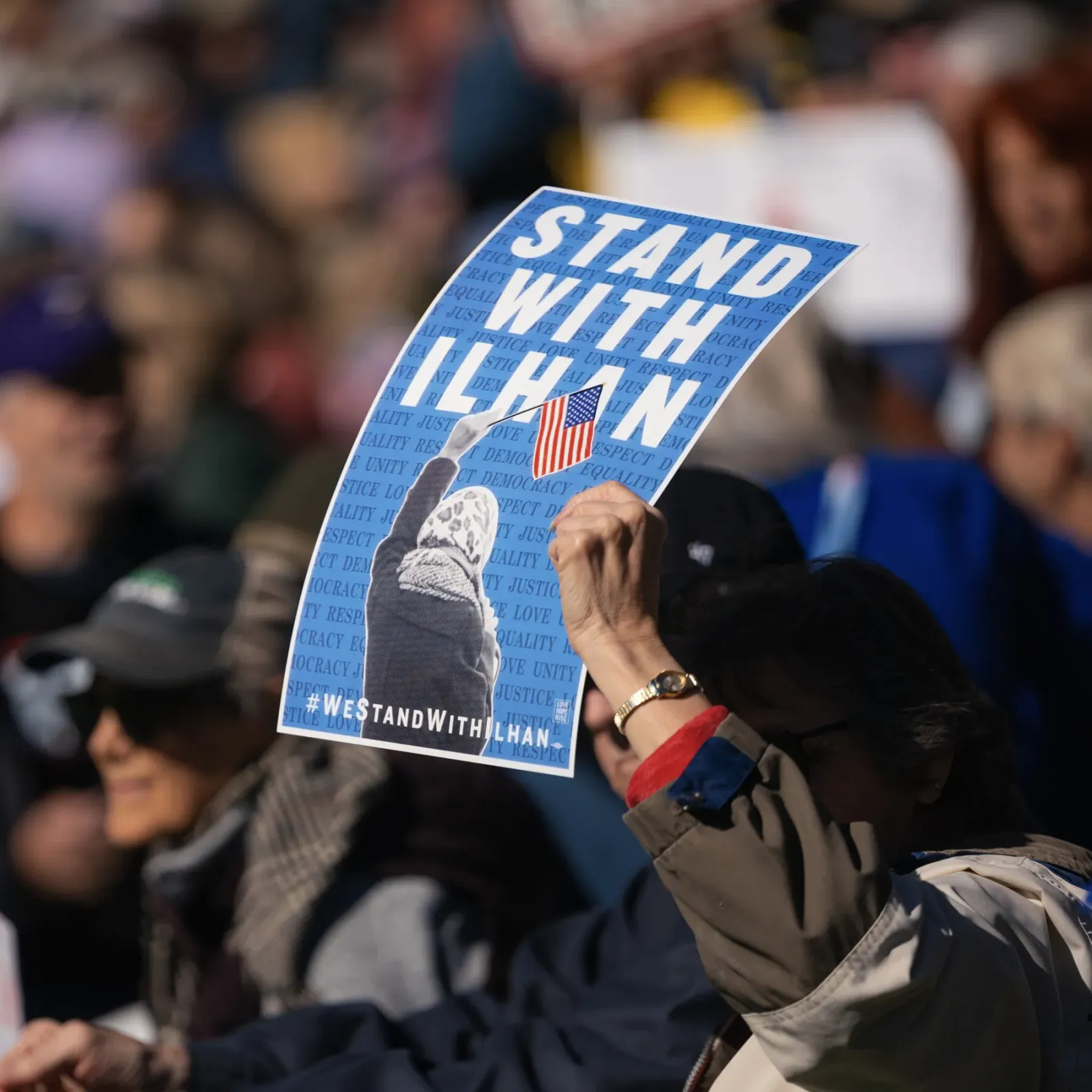
Obama Defends Ilhan Omar After Agents Search Her Home in Trump Inquiry
The former president's intervention raises the stakes in a federal probe into immigration paperwork that has put a prominent progressive lawmaker in the crosshairs.

Blair-era minister: cut welfare to fund youth job support
Alan Milburn's call for welfare cuts to fund employment support opens a Labour fight over benefits and the Neet crisis.

Hot September CPI: energy costs surge, voters feel the squeeze before midterms
The latest inflation print lands as Trump campaigns for GOP control of Congress, putting cost-of-living worries at the center of the midterm fight.