
US carries out strikes across Iran as Netanyahu meets Trump at White House
The Middle East escalation tightens just as Netanyahu heads to Washington, with US threats looming over Tehran and its allies.
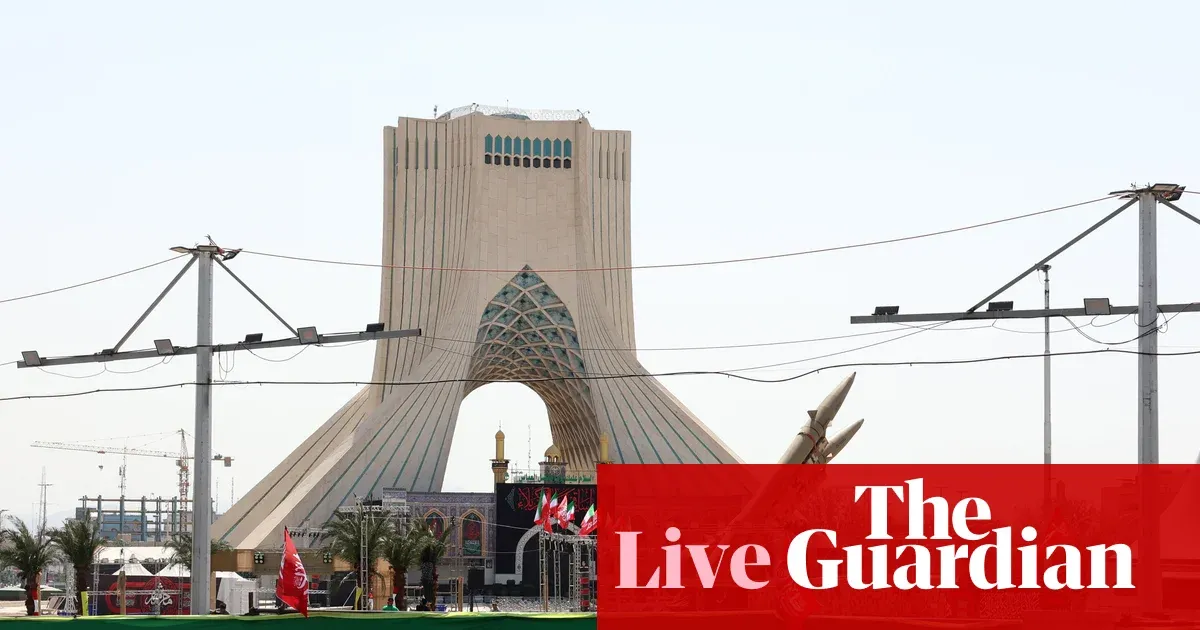
The US carries out strikes across Iran as Tehran targets American bases in the region, amid escalating back-and-forth. The timing matters because Benjamin Netanyahu is set to meet Donald Trump at the White House Tuesday, after departing Washington Monday for the visit and Graham’s funeral.
The US carried out strikes across Iran as Tehran targeted American bases in the region, in the latest escalation in a crisis that is already drawing major leaders into a tightly scheduled political and security calendar. The move is happening after Donald Trump vowed “major military punishment” for Tehran and its Houthi allies, a signal that the US is treating this as more than tit-for-tat. It is building a narrative of consequence, deterrence, and escalation control, even as each side sharpens the blade.
And while the battlefield picture is tightening, the diplomatic and political one is tightening too. Benjamin Netanyahu, the Israeli prime minister, is set to meet Donald Trump at the White House on Tuesday, according to the Israeli prime minister’s office. Netanyahu’s office also said he will attend the funeral service for Senator Lindsey Graham, described as “a friend of Israel,” and that he will depart for Washington on Monday. In other words: the leaders are moving on parallel tracks, with security events and political calendars forcing them to compress attention and decisions into the same window.
For executives and decision-makers, this kind of overlap is not just a headline problem. It is an operations and risk problem. When strikes happen alongside explicit threats of “major military punishment,” markets tend to react first to uncertainty and then to the probability of further action. That can show up through energy prices, shipping insurance costs, and emerging disruptions in regional trade flows, even if the initial strike footprint is limited. The second-order effect is often about timing: if major political meetings happen while kinetic activity is ongoing, businesses can face “policy volatility,” where contingency planning gets more expensive because assumptions keep changing.
There is also a governance and incentive layer to consider. Trump’s vow, reported in the source, frames US actions as punishment for Tehran and its Houthi allies. That language is designed to set expectations, internally for US political stakeholders and externally for adversaries. Tehran’s targeting of American bases in the region, in turn, signals that it is not waiting for a diplomatic off-ramp. When both sides publicly anchor their actions to retaliation logic, leaders are more likely to feel pressure to keep momentum, even if they privately want space to de-escalate. That creates a risk for anyone who has to model scenarios, because “what happens next” can become a function of face-saving and signaling, not just battlefield dynamics.
Netanyahu’s visit adds another important variable: the meeting itself. The Israeli prime minister’s office said Netanyahu will meet with President Trump at the White House on Tuesday. High-level meetings between leaders can shape how threats are communicated, how red lines are defined, and what coordination looks like across intelligence, military support, and regional strategy. Even without new numbers or policy details in the source, the scheduling matters. Netanyahu departing for Washington on Monday and meeting Trump on Tuesday compresses the period where coordination and messaging can occur before the next tranche of decisions.
Then there is the human calendar wrinkle, which is also strategic. Netanyahu is attending the funeral service for Senator Lindsey Graham, described as “a friend of Israel.” That detail matters because it shows how US domestic politics and Israeli security priorities are interwoven at the leadership level. When domestic events pull key figures into Washington at the same time as foreign-policy crises peak, it can increase the tempo of public statements, constrain staff bandwidth, and heighten the incentive to demonstrate solidarity. In crisis periods, that can indirectly raise the volume of messaging, which can further complicate de-escalation efforts.
The net effect for peers in adjacent leadership roles, from boardrooms to risk committees, is straightforward: escalation timing and political coordination timing are now linked. The US strike activity, Trump’s “major military punishment” vow, Tehran’s targeting of American bases, and Netanyahu’s White House schedule all point to a single reality. Decision-makers should assume the next 72 hours will be defined by both security actions and leadership signaling, and they should plan accordingly.
If you are running a company with exposure to regional stability, logistics, energy, or insurance frameworks, this is the kind of scenario where scenario planning is not optional. And if you are on a board or executive team, it is the kind of moment where risk oversight has to move at the same speed as the headlines, because the cost of being wrong tends to compound: energy and supply assumptions get stress-tested, contracts get re-priced, and the internal debate shifts from “monitoring” to “contingency execution.”
This story's Key Insights and Take-aways are locked.
Create a free account to unlock Executive Actions for one credit.
Register to UnlockAlways free for Executives Club members. Join the Club
More in Politics
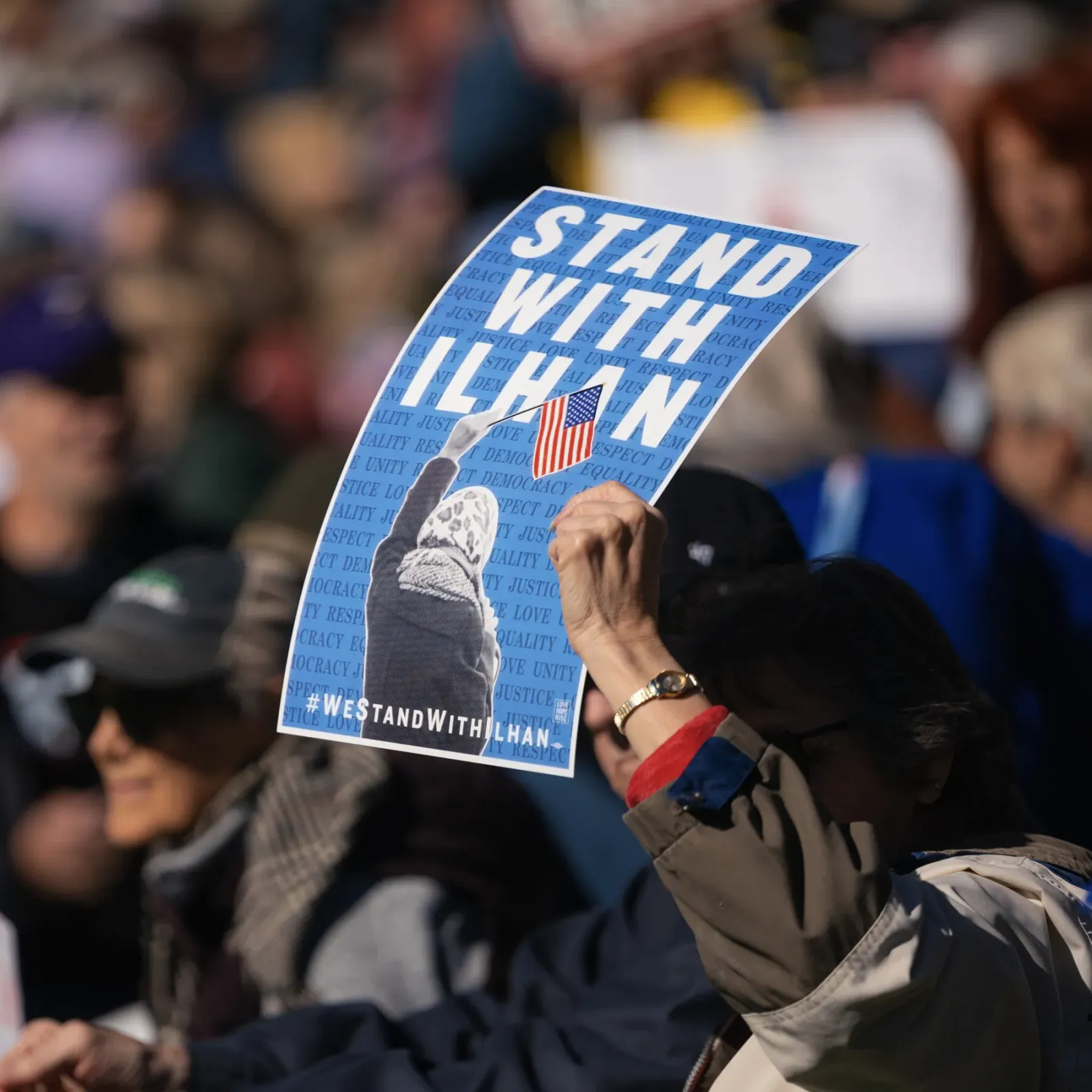
Obama Defends Ilhan Omar After Agents Search Her Home in Trump Inquiry
The former president's intervention raises the stakes in a federal probe into immigration paperwork that has put a prominent progressive lawmaker in the crosshairs.

Blair-era minister: cut welfare to fund youth job support
Alan Milburn's call for welfare cuts to fund employment support opens a Labour fight over benefits and the Neet crisis.
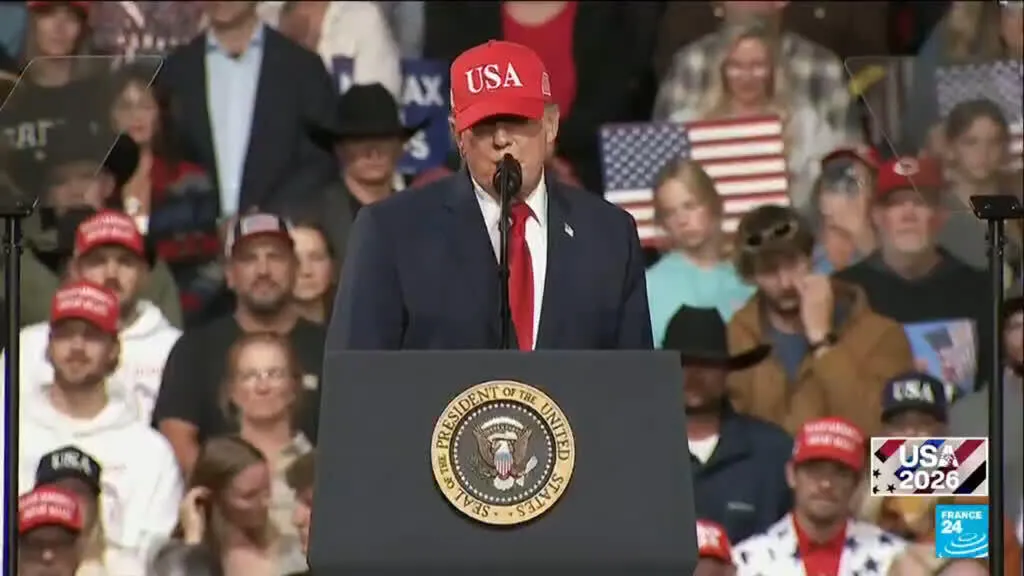
Hot September CPI: energy costs surge, voters feel the squeeze before midterms
The latest inflation print lands as Trump campaigns for GOP control of Congress, putting cost-of-living worries at the center of the midterm fight.