

Ukraine’s “theory of victory” is real. The only question left is time
Kyiv has mapped a path to winning the war. Now it must survive long enough for the plan to work.

Kyiv has developed a strategy it believes can win the war, culminating in a clear “theory of victory.” For decision-makers, the immediate consequence is a time-dependent risk calculus: holding support, managing costs, and planning for durability.
Kyiv has finally produced what Foreign Policy calls a “theory of victory.” The headline fact is simple and consequential: Ukraine has developed a strategy for winning the war, and the remaining constraint is not imagination or messaging. It is time.
That last word sounds almost boring until you look at what war does to every other variable. If your strategy depends on shaping conditions over months, then every delay becomes an economic, political, and operational tax. Foreign Policy’s framing matters because it shifts the conversation from “can Ukraine fight?” to “can Ukraine persist long enough for the plan to compound?” The idea is not that victory is immediate. It is that victory becomes possible because a set of actions, in sequence, can gradually change the battlefield and the political math. But “gradually” is doing a lot of work.
In most conflicts, the hardest part is less the first breakthrough than the second and the third. That is where time turns strategy into logistics and logistics into budgets. Markets understand this instinctively: durations matter, because capital has a shelf life. Investors and lenders do not just price outcomes. They price the time it takes to reach them, and the probability that the path survives the “bad months.” Even outside finance, the same principle shows up in procurement cycles, equipment repair timelines, and training pipelines. In other words, if Kyiv’s theory depends on endurance, then durability becomes the real competitive advantage, not just tactical capability.
There is also a regulatory and institutional layer that executives, boards, and policy stakeholders often underestimate because it is slow. Support for Ukraine, like most cross-border security commitments, is governed by rules: budget cycles, oversight requirements, sanctions compliance, export controls, and procurement governance. Those systems rarely move at the speed of a headline. So when a strategy leans on time, it also leans on the ability of governments and institutions to keep their processes aligned with wartime urgency. The “theory of victory” does not replace the need for approvals and continuity. It forces them to matter more.
Second-order implications cascade from the time constraint into donor politics and internal planning on both sides of the support relationship. When the center of gravity is durability, decision-makers have to manage internal constituencies that want quicker returns. Committees want milestones. Legislators want measurable progress. Finance teams want predictable costs. Operations leaders want sustainment plans. The longer the war runs, the more the theory of victory has to be translated into checkpoints that different stakeholders can live with. That translation is not fluff. It is how you keep funding from turning into fatigue.
Meanwhile, battlefield strategy in modern wars is rarely a straight line. It is a system of feedback loops. If Kyiv’s theory depends on shaping conditions over time, then there must be an implicit model of how the other side responds, how external constraints tighten, and how Ukraine’s own capacity holds up. Foreign Policy’s framing, even with its brevity, points to a central executive lesson: strategy is only as strong as the timeline it assumes, and the “plan” becomes a risk model. Time becomes a variable you actively manage, not a backdrop.
So what does this mean for peers in adjacent roles, from investors tracking geopolitical risk to executives advising boards on sanctions and cross-border exposure? It means that “victory” is now something that can be discussed as a process, not just a wish. When Foreign Policy says Ukraine has a theory of victory and needs time, it is effectively telling decision-makers to plan for the long middle, not the cinematic end. If you are allocating resources, designing oversight, or modeling risk, you treat time as the central input. You ask: How likely is the plan to survive the inevitable stresses of delay? How do we keep support stable through the months where outcomes look less dramatic? And how do we avoid building governance systems that work only when the story feels good?
In short: Kyiv’s strategy is no longer only a rallying idea. It is an articulated path that, per Foreign Policy, hinges on one thing above all others. Time. The rest of the world will judge not just whether Ukraine can fight, but whether the people and institutions enabling Ukraine can endure long enough for the theory to pay off.
This story's Key Insights and Take-aways are locked.
Create a free account to unlock Executive Actions for one credit.
Register to UnlockAlways free for Executives Club members. Join the Club
More in Politics

Sir Stephen Timms says PIP is not fit for purpose, launches review overhaul
The minister leading a review says England and Wales need changes to Personal Independence Payments.
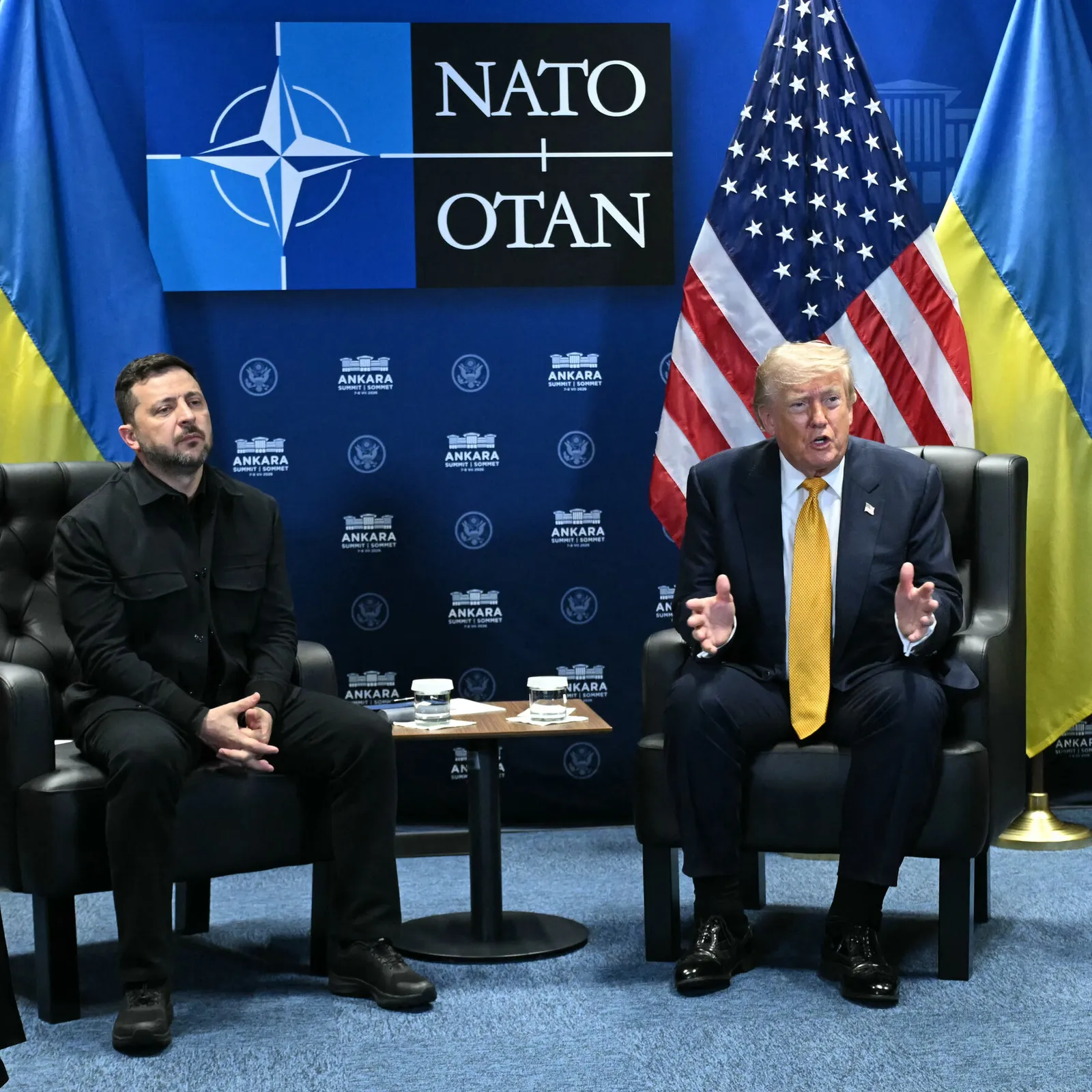
Trump pledges U.S. licensing for Ukraine to build Patriots, but timelines stretch months
Ukraine could get licensed Patriot production, but operational-ready interceptors may still take months or years.
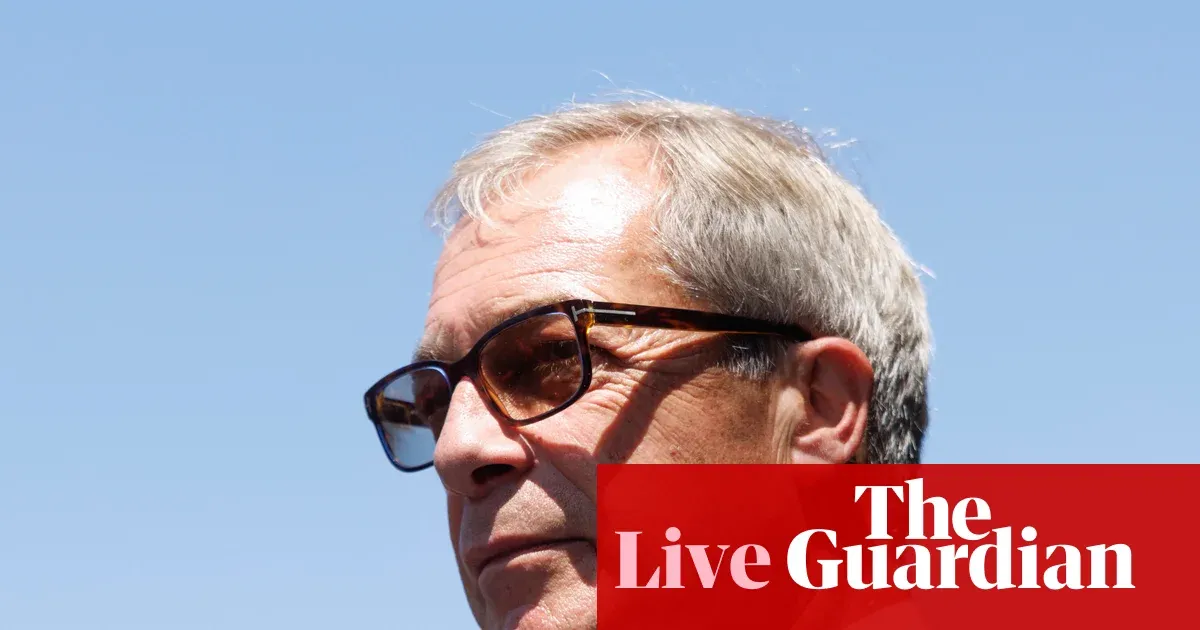
Farage tells Commons standards committee it won’t judge him fairly
In the middle of a high-stakes byelection week, Nigel Farage preemptively attacks the process oversight meant to scrutinize him.