
Ukrainian operators in 4th Ranger Regiment walk farther, spread 10-20 meters to dodge FPV drones
After a Russian drone surge, a special operator says Ukrainians changed movement, add shotguns, and use small teams and robots.
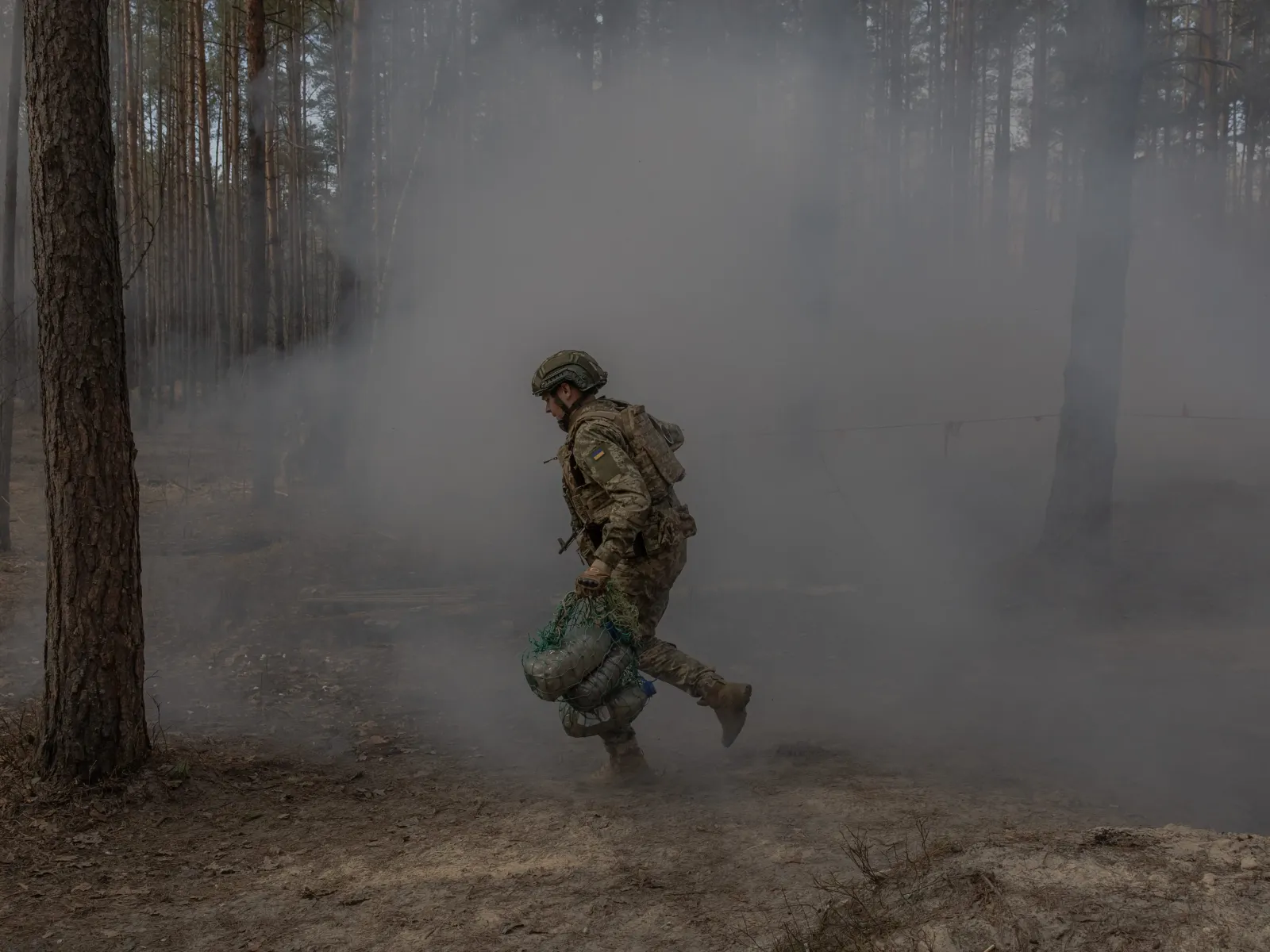
Roman PILIPEY/AFP via Getty Images is a backdrop to a change described by a special operator in Ukraine's 4th Ranger Regiment of the Special Operations Forces. He says the surge in Russian FPV drones, including fiber-optic controlled ones, is forcing new tactics like walking more, spreading 10 to 20 meters, and carrying pump-action shotguns.
Something changed inside Ukraine's most drone-saturated fight zone, and it is practical, not poetic: elite Ukrainian special operators are walking farther and spreading out more to avoid being targeted by FPV drones, including fiber-optic variants.
A special operator in Ukraine's 4th Ranger Regiment of the Special Operations Forces told Business Insider that “Things have changed.” His reason is specific. There are “many more FPV drones now, especially fiber-optic ones,” which means there are more drones that can hit vehicles or personnel from farther away. So the unit adapts where it matters most, in the small geometry of movement. “We walk more now,” the operator said. And the unit “keep[s] more distance between the soldiers in the group, usually around 10 to 20 meters.”
That 10 to 20 meters is not a battlefield trivia number. It is a risk management rule. In what Ukraine and others call the “kill zone,” movement is dangerous because the area is heavily saturated with drones and ground robots that can spot and target soldiers and military vehicles. While the kill zone varies in width, it generally extends about 10 to 20 kilometers from the line of contact. Ukrainian officials and soldiers have also said it can expand, stretching up to 40 or 50 kilometers in some areas. In other words, the zone where you can be detected and hit is not static. It is stretching, and so the behaviors designed for survival have to stretch too.
The operator described the tactical “why” behind a second equipment shift. Soldiers in his unit carry pump-action shotguns as a last-resort defense against Russian first-person-view (FPV) drones, specifically those controlled by fiber-optic cables that can't be jammed with electronic warfare systems. Before, he said, “there just wasn't as much need for that.” That is the core operational problem with fiber-optic FPV: jamming that might work against other drone links does not necessarily neutralize the threat. The shotgun becomes a fallback option when the usual electronic shields fail.
From an operations perspective, this also reshapes how teams infiltrate and how they recover. Ukrainian special forces operate inside the kill zone. The operator said that missions can begin 50 to 60 kilometers from the line of contact, still within Russian targeting range. Ukrainian special operators will cover half that distance in armored or light infantry vehicles, then walk the rest to avoid strikes on their rides. Once on foot, they reduce visibility and increase maneuverability by moving in tiny teams, typically “two, three, or four soldiers.” He also said teams rotate for infiltration missions so soldiers can rest, train, and prepare for the next round. One group might spend a week in the kill zone conducting search-and-strike operations before passing to another group. That cadence matters because it acknowledges a new reality: the kill zone is not just lethal, it is time-consuming, with days of advancement that are often described as the most dangerous part of the mission.
The kill zone lethality is also pushing a third adaptation: robotics for the tasks humans should not have to do anymore. Rising drone activity is forcing Ukraine's special operators to start using ground robots, primarily for logistics and casualty evacuations. Gur told Business Insider that if someone is wounded, “say, 500 meters from the line of contact or somewhere” inside the kill zone, a ground robot can evacuate them. He called it “still something new for us,” but said Ukraine is training more soldiers to operate these systems and building experience. This is a classic second-order pressure point. When drones saturate space, commanders try to shrink the number of human minutes spent exposed, even if the job does not look like a direct firefight.
For executives and board-level decision-makers, there is a wider lesson inside these tactical details. The source describes how thousands of armored vehicles have been destroyed on both sides by artillery, mines, rockets, missiles, and drones, and how tanks and personnel carriers can be outfitted with anti-drone cages but those measures are not impenetrable. As drones evolve, “protect and proceed” becomes “protect, re-route, and redesign the timeline.” In that environment, the procurement logic shifts from buying single layers of defense to building layered survivability that assumes some layers will fail, like electronic jamming against fiber-optic control.
In the kill zone, the immediate stakes are human survival and mission completion. For the broader defense and security ecosystem, the stakes are whether organizations can adapt quickly enough as detection ranges expand and drone countermeasures get stress-tested. If the kill zone can stretch up to 40 or 50 kilometers in some areas, and if soldiers may need days to advance, then the capability that wins is not only the next device. It is the ability to rewrite procedures fast enough that the next drone wave meets a different set of humans, in a different formation, walking a different path.
This story's Key Insights and Take-aways are locked.
Create a free account to unlock Executive Actions for one credit.
Register to UnlockAlways free for Executives Club members. Join the Club
More in Politics

LA County: DOJ's 20,000 'noncitizen' voter list is 'unreliable,' includes U.S.-born
Preliminary review by Los Angeles County election officials finds errors in the federal list, raising the stakes for voter roll integrity ahead of November.

Trump's $1.5B Pentagon chip investment lands in North Carolina
A $1.5 billion defense infusion for North Carolina chipmaking signals a new era of Pentagon-backed reshoring - here's what it means for the industry.
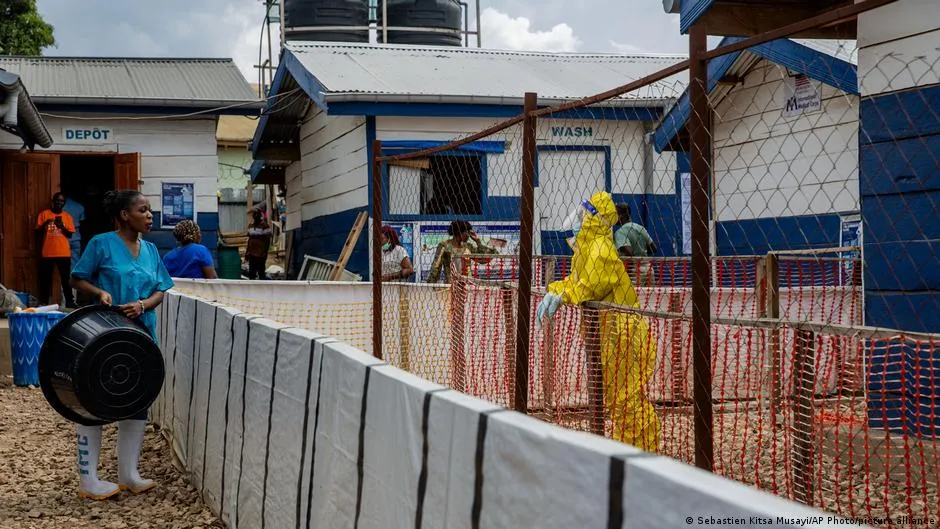
Nigeria confirms first Ebola case in Abuja, a woman just off a Uganda flight
Health Minister Muhammad Ali Pate says the patient flew in from Uganda, putting Africa's latest outbreak on Nigeria's doorstep.