

UN embargo fails as Houthi missile stockpile fuels Saudi attacks
The 2015 arms embargo hasn't stopped Iran-backed Houthi attacks on Saudi Arabia. Here's why the threat keeps growing.
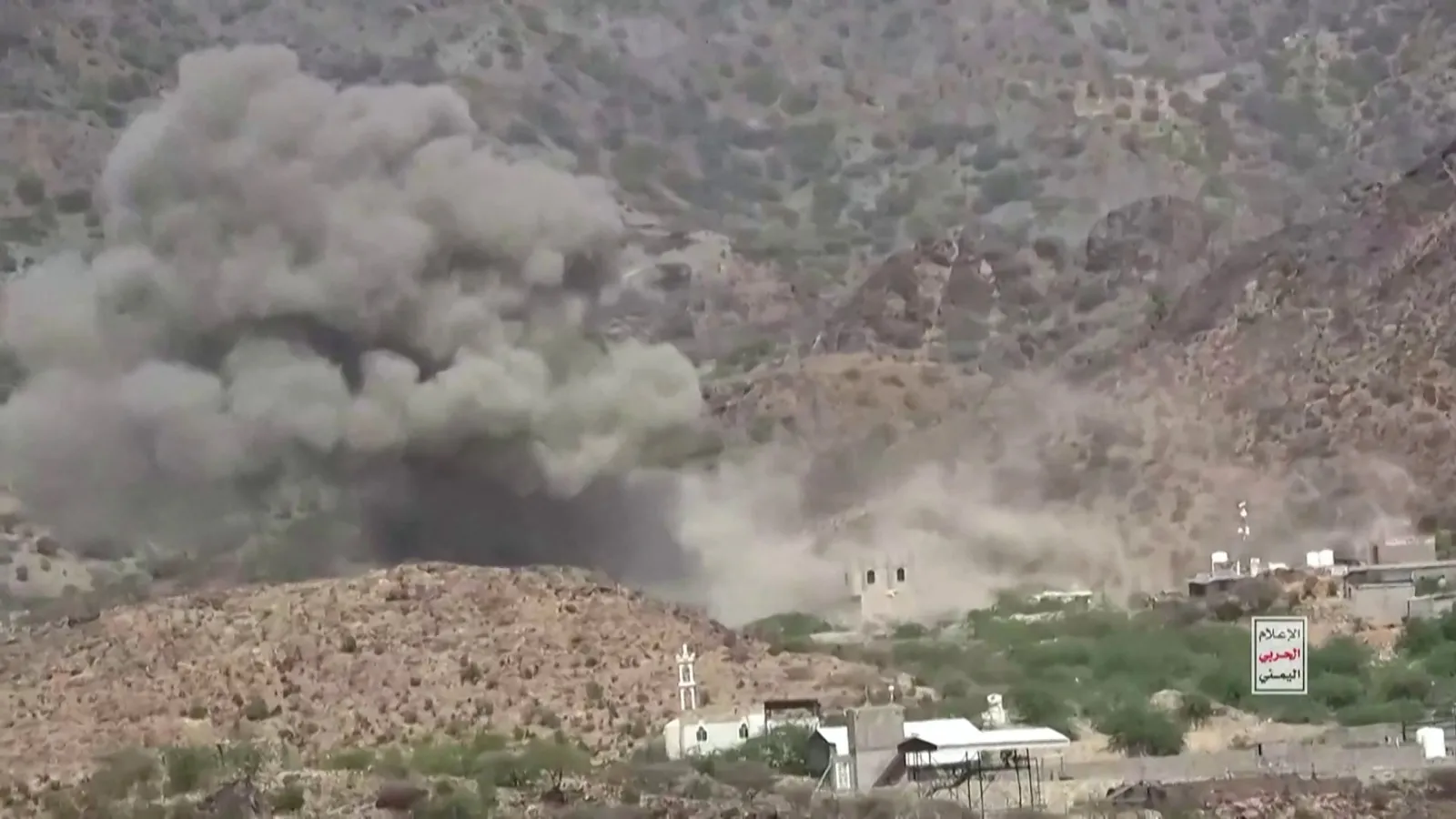
The Houthi militia's growing missile and drone stockpile continues to fuel attacks on Saudi Arabia, despite a UN arms embargo in place since 2015 and a terrorist designation since 2022. For decision-makers, the ineffective embargo signals persistent regional instability that could disrupt energy supplies and supply chains.
The UN arms embargo on Yemen's Houthi militia, imposed in 2015, has been largely ineffective. That is the blunt conclusion from the group's continued ability to amass missiles and drones, which now fuel a growing number of attacks against Saudi Arabia. The embargo was supposed to cut off the Houthis' weapons supply lines, but the stockpile has only grown, and the attacks have become more frequent. For anyone tracking regional security, the numbers tell a stark story: an arms ban that has been on the books for nearly a decade has done little to slow the flow of weaponry into the hands of a group that uses it to strike a neighboring state.
The UN Security Council went further in 2022, designating the Houthis a terrorist group, and many countries have followed with their own designations. Yet the militia still enjoys support from a handful of states, chiefly Iran, and relies on smuggling networks that keep weapons flowing into Yemen. The gap between international condemnation and on-the-ground enforcement could not be wider, and the consequences are being felt in Saudi Arabia's skies. The designation was meant to isolate the group diplomatically and financially, but it has not stopped the missiles and drones from arriving.
For executives watching the region, the Houthis' resilience is not just a diplomatic failure. It is a live risk to energy infrastructure, shipping lanes, and the broader Gulf economy. Saudi Arabia has been the target of repeated missile and drone attacks, and each launch draws on a stockpile that the international community has so far failed to meaningfully deplete. The cost of that failure is measured in disrupted supply chains, elevated insurance premiums, and the constant threat of escalation. When a non-state actor can sustain cross-border attacks for years, the risk calculus for every company with assets in the region changes.
The 2015 embargo was designed to prevent exactly this scenario. It banned the supply of arms to the Houthis, but without robust enforcement mechanisms, it became a paper tiger. Smuggling routes through the Red Sea and the Horn of Africa, combined with Iran's material support, have allowed the group to bypass restrictions with relative ease. The result is a militia that can sustain a campaign of cross-border attacks despite being officially sanctioned for nearly a decade. The embargo's failure is not an accident; it is a reflection of the difficulty of policing arms flows in a region where state borders are porous and maritime routes are hard to monitor.
The 2022 terrorist designation added legal pressure, but designations alone do not interdict shipments. They freeze assets and criminalize support, yet they rely on member states to enforce them. In practice, the Houthis' backers have shown little willingness to comply, and the smuggling networks have proven adaptable. For companies operating in the region, this means the threat environment is unlikely to improve quickly, and the window for preventive action is closing. The longer the stockpile grows, the more ambitious the attacks are likely to become, and the harder it will be to protect critical infrastructure.
The strategic stakes extend beyond Yemen's borders. Saudi Arabia's critical infrastructure, including oil facilities, has been a target in past attacks, and any disruption to Saudi exports sends ripples through global energy markets. While the source does not detail specific incidents, the pattern of attacks is clear: the Houthis have both the capability and the stockpile to continue. For logistics and security executives, this is a reminder that geopolitical risk in the Red Sea corridor is not a theoretical exercise. It is a live operational concern that demands contingency planning, from rerouting shipments to hardening facilities.
The broader lesson for boards and leadership teams is that international sanctions are only as strong as their enforcement. The Houthi case is a textbook example of how a determined actor, backed by a state sponsor and protected by smuggling networks, can outlast diplomatic pressure. Companies with exposure to the region should stress-test their supply chains, review insurance coverage, and stay alert to escalation cycles that could disrupt shipping or energy flows. The embargo may have failed, but the risk it was meant to contain has not gone away. For decision-makers, the question is not whether the Houthis will strike again, but when, and how prepared their operations will be when they do.
This story's Key Insights and Take-aways are locked.
Create a free account to unlock Executive Actions for one credit.
Register to UnlockAlways free for Executives Club members. Join the Club
More in Politics
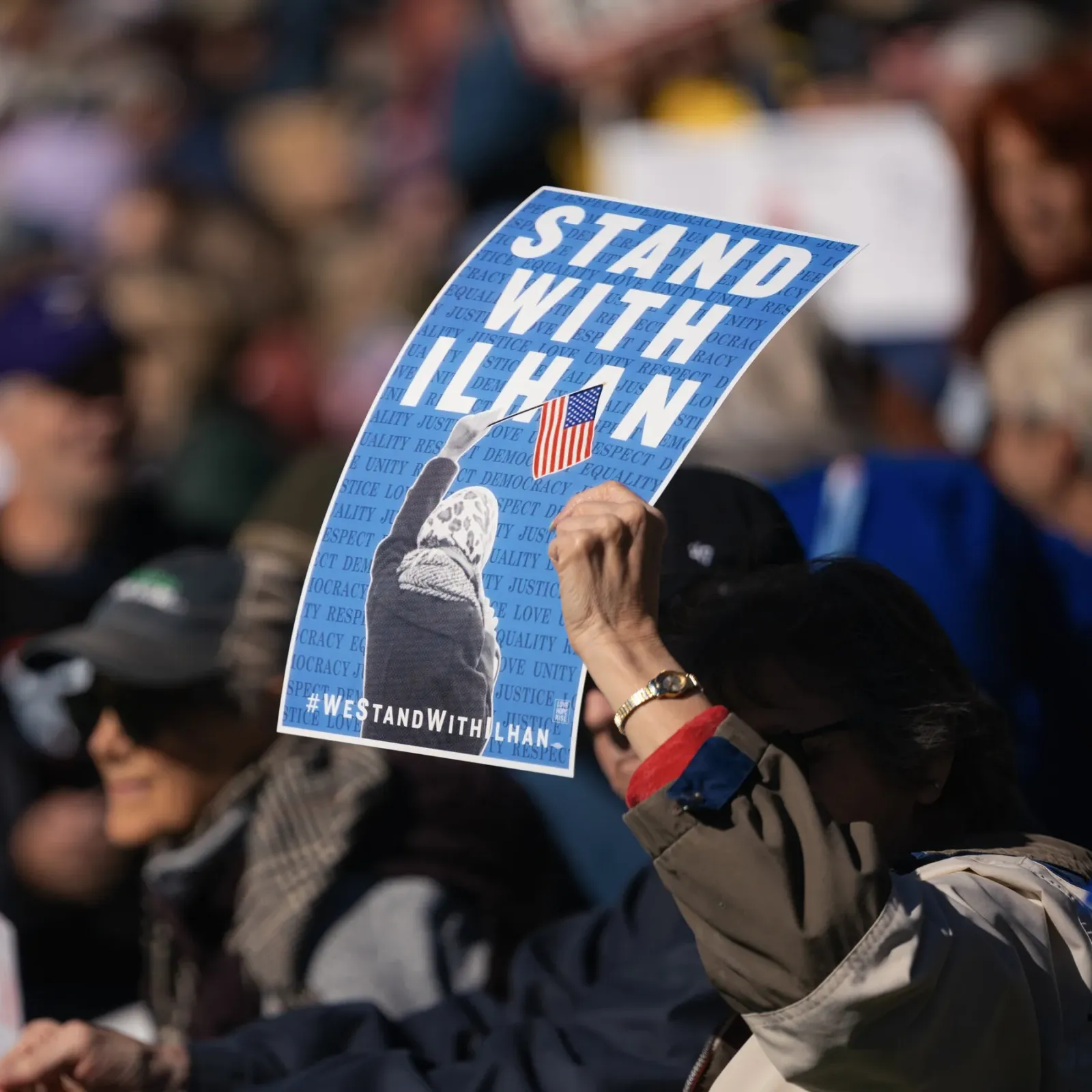
Obama Defends Ilhan Omar After Agents Search Her Home in Trump Inquiry
The former president's intervention raises the stakes in a federal probe into immigration paperwork that has put a prominent progressive lawmaker in the crosshairs.

Blair-era minister: cut welfare to fund youth job support
Alan Milburn's call for welfare cuts to fund employment support opens a Labour fight over benefits and the Neet crisis.
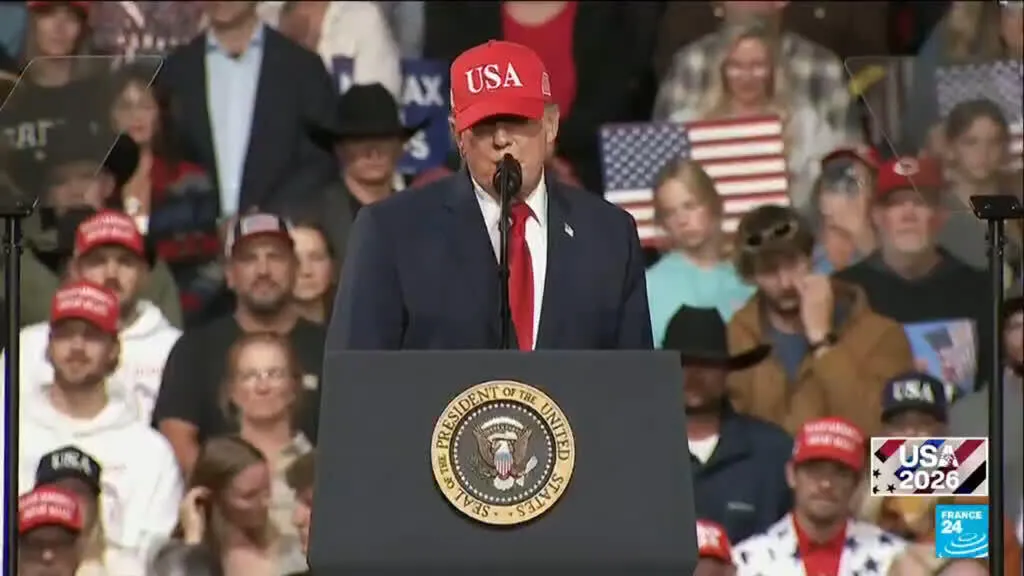
Hot September CPI: energy costs surge, voters feel the squeeze before midterms
The latest inflation print lands as Trump campaigns for GOP control of Congress, putting cost-of-living worries at the center of the midterm fight.