
United beats earnings estimates, but warns $6B in added fuel costs
Premium, corporate, and basic economy revenue rose, yet fuel cost pressure could still reshape guidance decisions.
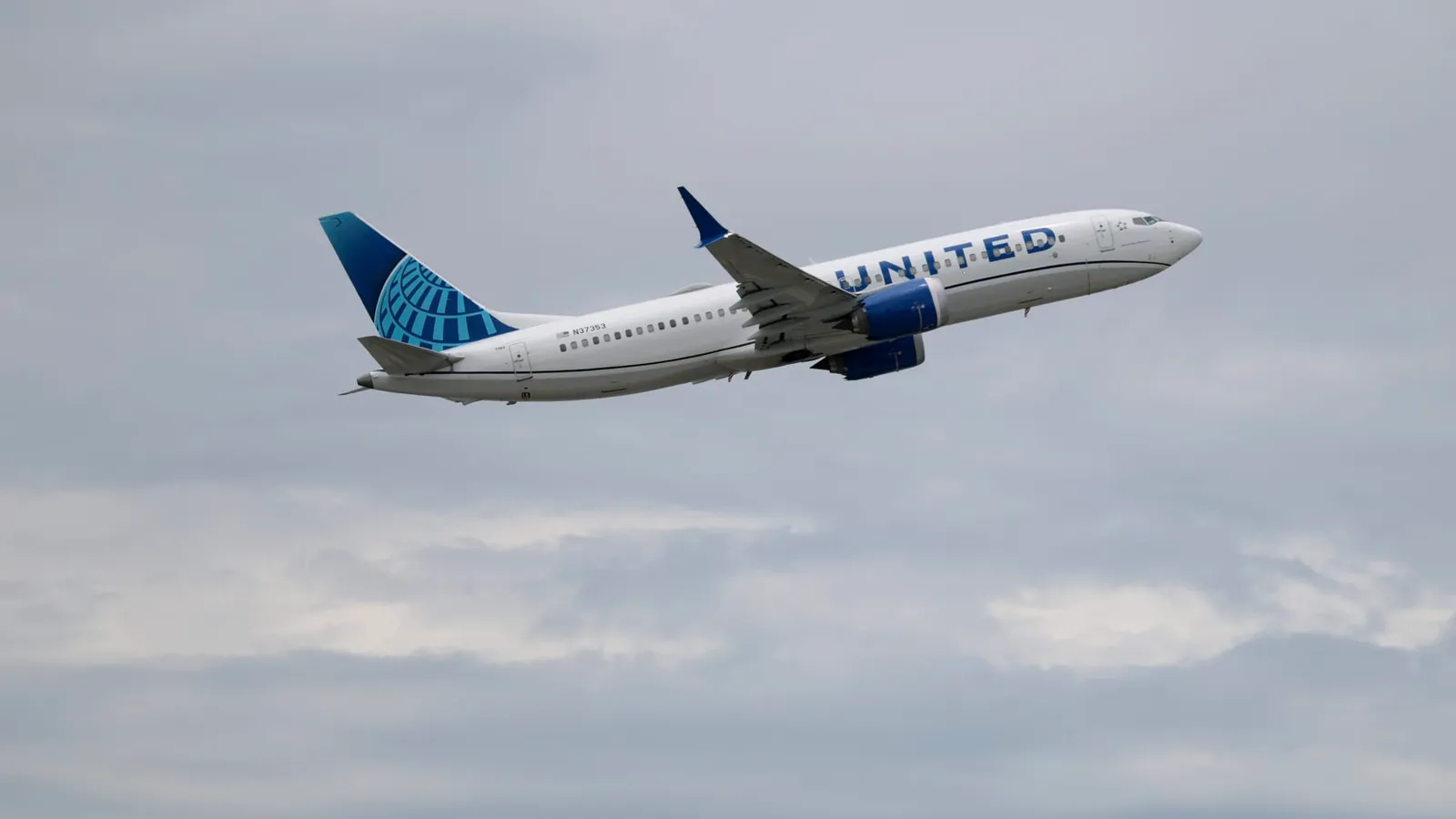
United Airlines reported earnings that topped estimates, with higher revenue across premium, corporate, and no-frills basic economy tickets. The company also expects $6 billion in added fuel costs, creating a direct planning problem for decision-makers.
United Airlines cleared the bar on earnings, reporting results that topped estimates, and the company pointed to strength across several fare categories. Revenue came in higher for premium tickets, corporate tickets, and no-frills basic economy, which matters because it suggests demand is not only concentrated in one segment. It also posted higher revenue for both domestic and international trips, signaling that the performance is broad rather than a single-route story.
The twist for executives is what United did not ignore: the airline expects $6 billion in added fuel costs. That expectation reframes the earnings headline. Beating estimates is good news, but fuel is one of the few expenses airlines can feel instantly and painfully, and it tends to flow straight into operating margins. Even with stronger ticket revenue, management is effectively telling investors and planners that the cost side could intensify enough to pressure future profitability.
To understand why this combination is so consequential, it helps to remember how airline economics work. Revenue improvements from different cabin and fare brands can help cover fixed costs and stabilize the cash runway. But fuel is highly variable and can move faster than pricing. When a carrier reports higher revenue for premium, corporate, and basic economy at the same time, it implies pricing power or demand resilience across traveler types, including those who shop for value. Still, the moment fuel costs accelerate, the benefits of higher booking revenue can be partly or fully absorbed by higher operating expense.
There is also a strategic signaling element inside the numbers United highlighted. The company separated performance across domestic versus international trips and across fare classes like premium, corporate, and no-frills basic economy. That breakdown is not just bookkeeping. Airlines typically use these distinctions to show where they can withstand shocks. If international revenue rises alongside domestic, it can indicate that both revenue geographies are contributing. If basic economy also rises, it hints that even price-sensitive customers are still booking, which can support load factors and reduce discounting pressure.
But the $6 billion fuel-cost expectation is the headline that really belongs in a boardroom deck.
This story's Key Insights and Take-aways are locked.
Create a free account to unlock Executive Actions for one credit.
Register to UnlockAlways free for Executives Club members. Join the Club
More in Business

Epic and Google drop settlement bid, forcing rival Android app stores by July 22
Google told the court it is ready to carry third-party app stores starting Wednesday, July 22.

SK Hynix opens at $170, raises $26.5B, and tops foreign IPO records
In Friday's Wall Street debut, SK Hynix turns AI RAM demand into a $26.5B fundraising moment that rewrites comps.

China lands a reusable Long March booster, a first that matches SpaceX and Blue Origin
A barge landing and net-based recovery move China from theory to proof, reshaping the reusability race and satellite ambitions.