
Unitree's founder micromanages screw lengths. Can that scale?
Wang Xingxing's obsessive control built Unitree's cost edge, but investors and employees question if it survives an IPO-sized company.

Unitree Robotics founder Wang Xingxing, who took the company public in August, has built its low-cost robot lead through extreme micromanagement, down to screw lengths. For executives, the question is whether a founder's obsessive control can scale without breaking the company's growth.
Unitree Robotics founder Wang Xingxing personally decides the length of every screw in his robots. That level of micromanagement, down to material colors and individual screw specs, is exactly how the company built its lead in cheap humanoid robots - and exactly what employees and investors now worry will break as Unitree scales post-IPO.
Wang took Unitree public on the Shanghai Stock Exchange STAR Market on August 19, making the introverted founder phenomenally wealthy. But a Caijing Magazine feature published August 31, translated by ChinaTalk on September 10, paints a picture of a leader who controls nearly every aspect of corporate strategy and product design - a style that may have been perfect for a startup but is now under the microscope of public markets.
The reporting, based on interviews with Unitree employees and investors, describes Wang as someone who personally decides colors and screw lengths, a hands-on approach that drove cost efficiency and helped China lead the world in affordable humanoid robots and robot dogs. Yet the same obsessive control raises questions about whether Wang can delegate as the company grows. His appearance at a 2025 business symposium hosted by President Xi Jinping underscores his prominence, but the transition from founder-led startup to public company demands institutionalized decision-making, not one person's vision.
For executives, the lesson is clear: the very traits that build a cost advantage - extreme attention to detail, centralized control - can become bottlenecks when product lines multiply and shareholder expectations rise. The question is whether Wang can evolve his leadership style without losing the edge that made Unitree successful. The stakes extend beyond Unitree. As China's robotics industry scales, the ability of founder-led firms to professionalize management will determine whether the country maintains its cost leadership. For now, Wang's micromanagement has worked, but the public market is a different arena.
Investors and employees alike are watching whether Wang can shift from being the sole decision-maker to building a leadership team that can operate without his input on every screw. The Caijing feature, titled "The King of Unitree," suggests that Wang's control has been a double-edged sword: it created a culture of precision and cost discipline, but it also risks creating a bottleneck as the company expands into new markets and product lines. In a sector where speed and innovation are critical, a founder who must approve every detail could slow the company down.
For peers in similar roles, the takeaway is that founder-led companies often thrive on obsessive focus, but scaling requires a deliberate transition from micromanagement to macro-management. The challenge is to preserve the founder's vision while empowering others to execute it. Unitree's post-IPO journey will be a case study in whether that transition is possible without losing the very edge that made the company successful in the first place.
This story's Key Insights and Take-aways are locked.
Create a free account to unlock Executive Actions for one credit.
Register to UnlockAlways free for Executives Club members. Join the Club
More in Business
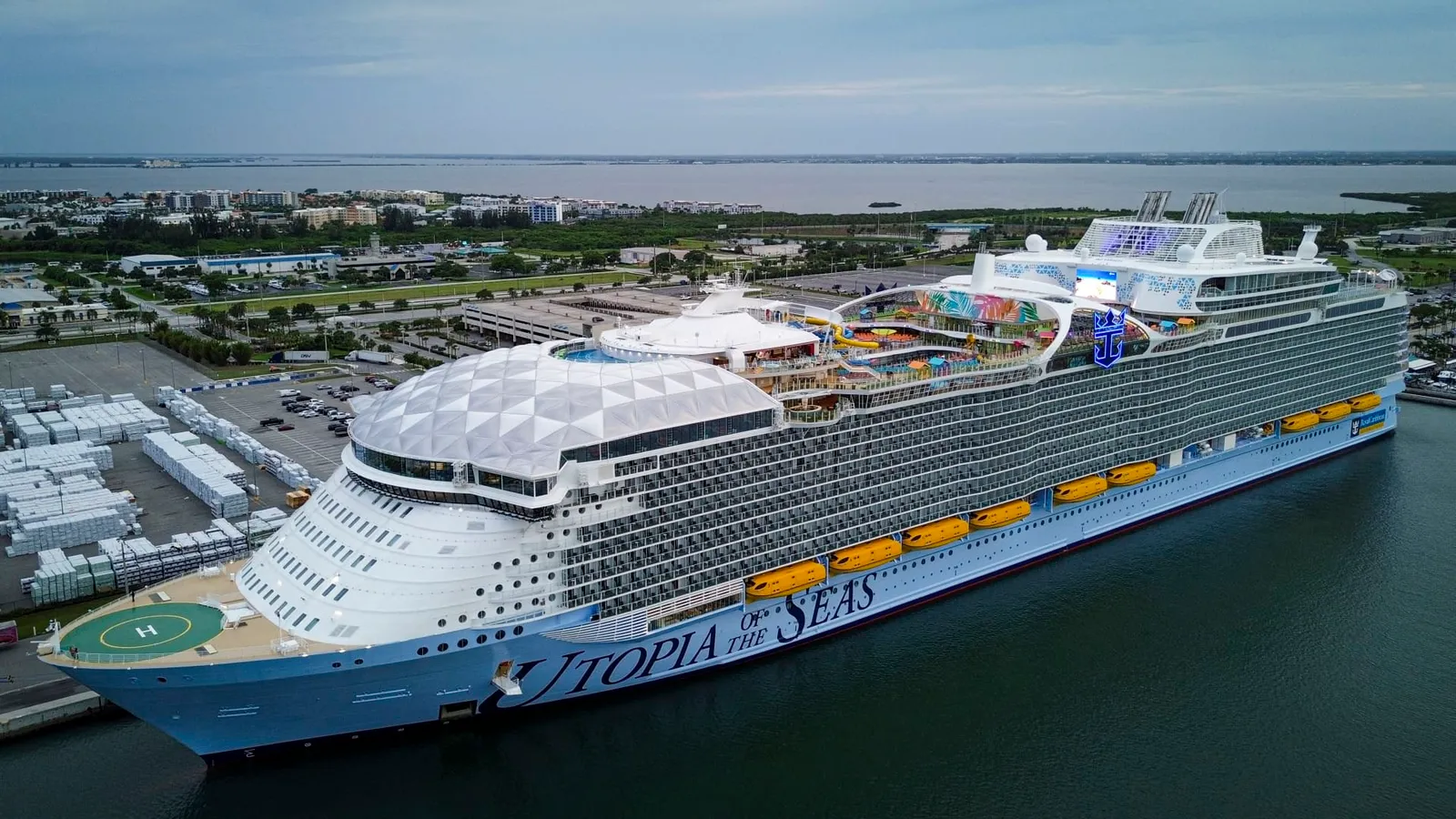
Royal Caribbean just spent $3B to own half of Sandals
The cruise giant is buying a 50% stake in the all-inclusive resort chain for $3 billion, a bet that land-based vacations are the next growth engine.

Paramount's Ellison: Merger Clearance Done, WBD Deal by Oct 1
David Ellison says the Paramount-WBD merger has full clearance after settling with state AGs, clearing the path for an October 1 close.
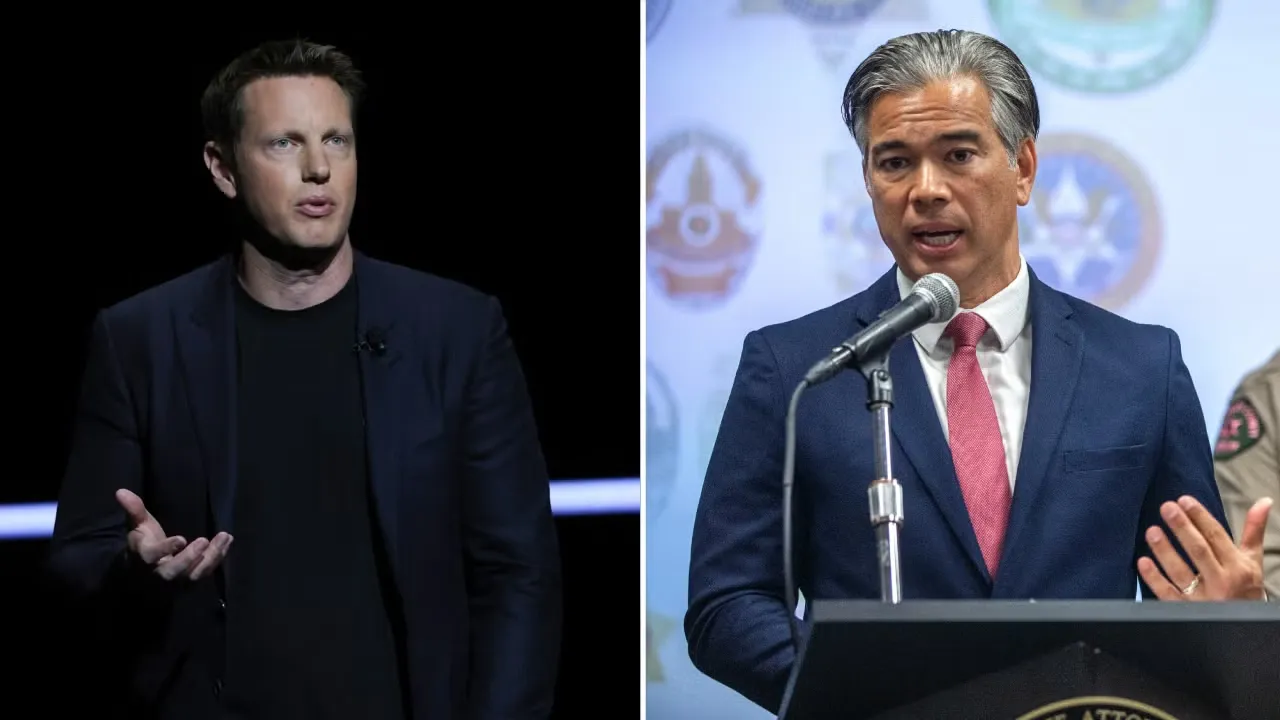
Paramount settles with 12 states, $110B Warner merger clears final hurdle
David Ellison's studio avoids a March trial and a $7M-a-day ticking fee by settling with state AGs over local job losses.