
US envoys in Qatar discussed Iran talks, while Tehran and Doha denied Trump’s claim
Meetings in Doha test a fragile path to implement a memorandum aimed at ending the Middle East war.
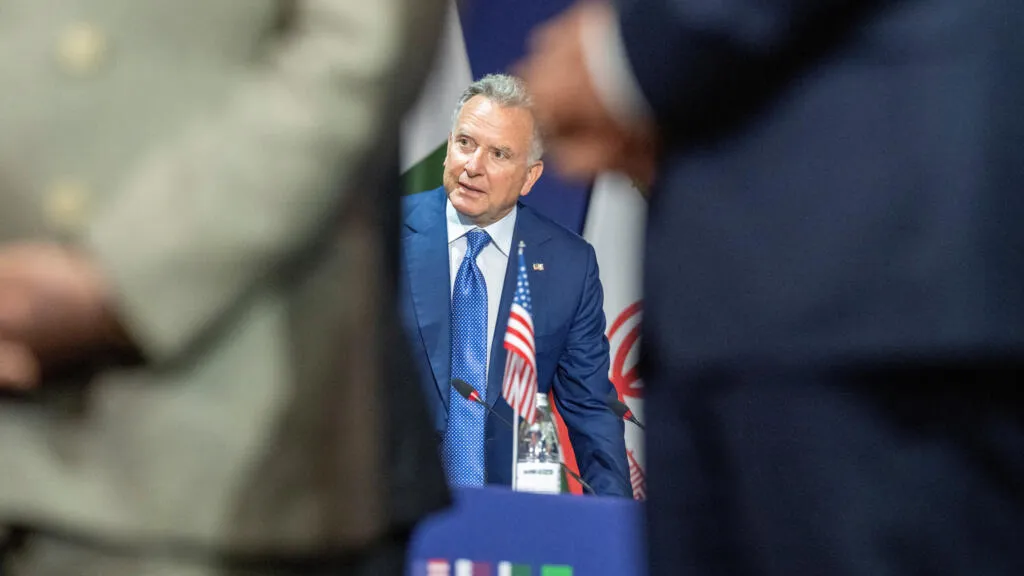
US envoys met Qatari mediators in Doha to discuss negotiations with Iran, despite both Tehran and Doha dismissing President Donald Trump’s suggestion that direct US-Iran talks were happening. The immediate consequence is a slower, more mediated diplomatic process, with real stakes for regional stability and any participants watching escalation risk.
US envoys met Qatari mediators in Doha on Tuesday to discuss negotiations with Iran, even as both Tehran and Doha dismissed President Donald Trump’s suggestion that direct US-Iran talks were taking place. In other words: the channel is real, but the framing is contested. The meetings are part of the groundwork for a political effort that both sides say they want to turn into momentum toward de-escalation.
This matters because the talks are not happening in a vacuum. They come as both sides seek to implement a memorandum of understanding aimed at ending the Middle East war. That phrasing is the giveaway: this is about converting a diplomatic agreement into action, not just trading messages. When the US is negotiating through mediators in Qatar while Iran and Qatar publicly deny direct talks are underway, it signals that every party is managing domestic politics, credibility, and leverage, all at once.
Qatar, in this setup, functions as the diplomatic glue. Mediator roles are high-trust positions in any negotiation, but they also require careful risk calibration. If Doha signals too much openness to direct US-Iran engagement, it could invite backlash or complicate its own regional relationships. If Doha signals too little, it risks undermining the entire mediation effort by making the process look performative. So the fact that US envoys met mediators in Doha, while both Tehran and Doha pushed back on Trump’s claim, points to a strategy: keep the process moving, but control the narrative.
For Tehran, the public dismissal matters for leverage and optics. Denying direct US-Iran talks can preserve negotiating posture, because direct engagement often changes how other counterparties perceive your bargaining power. It can also limit the political cost of appearing to endorse US-led diplomacy. At the same time, the US meeting with Qatari mediators shows that, behind the scenes, there is still an attempt to move toward negotiations. That tension is common in high-stakes diplomacy: official statements are designed to protect position; off-record channels are designed to achieve outcomes.
For Washington, the stakes are equally structural. The US has to balance multiple objectives, including the need to show progress without escalating tensions or conceding too much too early. If Trump’s suggestion is not aligned with what Iran and Qatar are willing to acknowledge publicly, that can create friction in subsequent steps, because negotiations depend on both trust and sequencing. Even if talks happen through a mediator, credibility is partly built through consistent messaging about what stage the relationship is in. When one party implies a different stage than the other parties are publicly admitting, it forces the negotiation to absorb the noise.
This is where the “memorandum of understanding” becomes the real centerpiece. A memorandum is often meant to set a framework for follow-on steps. Its success depends on implementation details: who does what, when, and how compliance is measured. The source does not specify the terms, but the operational logic is straightforward. Agreements that aim to end a war require coordination across time horizons and incentives. Each side may claim commitment, yet the hard part is translating that commitment into actions that are visible enough to matter, but calibrated enough to avoid triggering immediate backlash.
Second-order implications for decision-makers extend beyond diplomacy. In many contexts, war-ending frameworks influence risk premiums: energy security concerns, shipping and insurance costs, and the willingness of investors to price in stability. Even for executives far from the negotiation table, the practical outcome is the same: if de-escalation looks plausible and credible, markets tend to loosen. If the process looks muddled, credibility gaps can re-tighten financing conditions. The fact that the US is meeting mediators while key parties dispute the existence of direct talks suggests the path to stability is under construction, not complete.
Peers in government-adjacent roles, corporate boards, and international risk teams should note the core signal: diplomatic progress is being attempted, but it is being negotiated through narrative discipline. A mediator-led track can keep options open, but it also delays certainty. The strategic stakes are clear. If the memorandum can move from intention to implementation, it can reduce escalation risk and create conditions for follow-through. If the messaging mismatch persists, it can turn each subsequent step into a credibility test, not just a negotiation step. Either way, Tuesday’s meeting in Doha is less about headlines and more about whether the parties can align process, public stance, and execution fast enough to matter.
This story's Key Insights and Take-aways are locked.
Create a free account to unlock Executive Actions for one credit.
Register to UnlockAlways free for Executives Club members. Join the Club
More in Politics
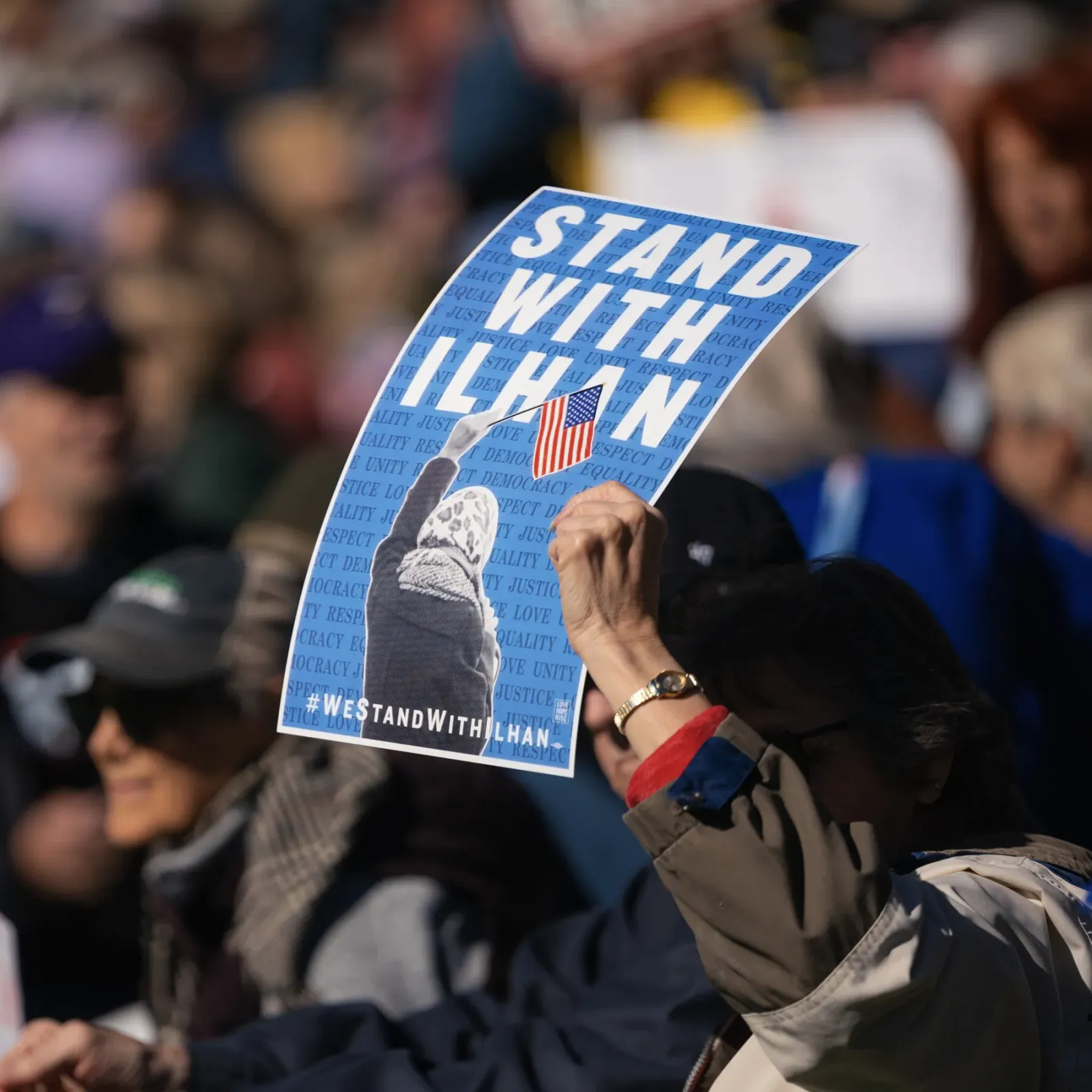
Obama Defends Ilhan Omar After Agents Search Her Home in Trump Inquiry
The former president's intervention raises the stakes in a federal probe into immigration paperwork that has put a prominent progressive lawmaker in the crosshairs.
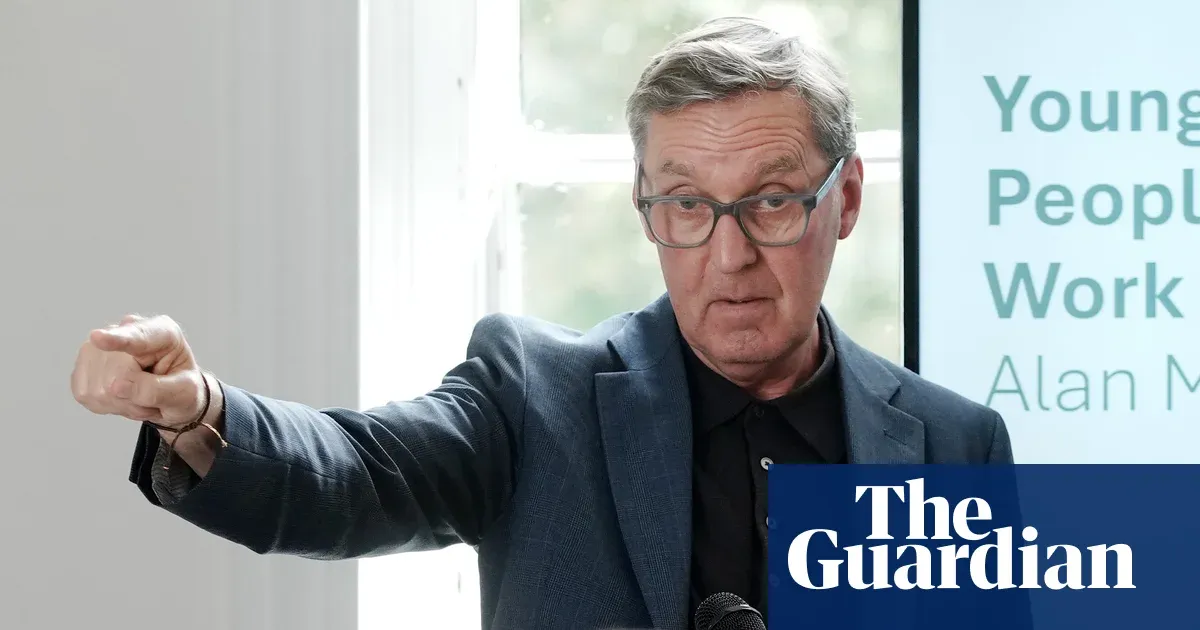
Blair-era minister: cut welfare to fund youth job support
Alan Milburn's call for welfare cuts to fund employment support opens a Labour fight over benefits and the Neet crisis.
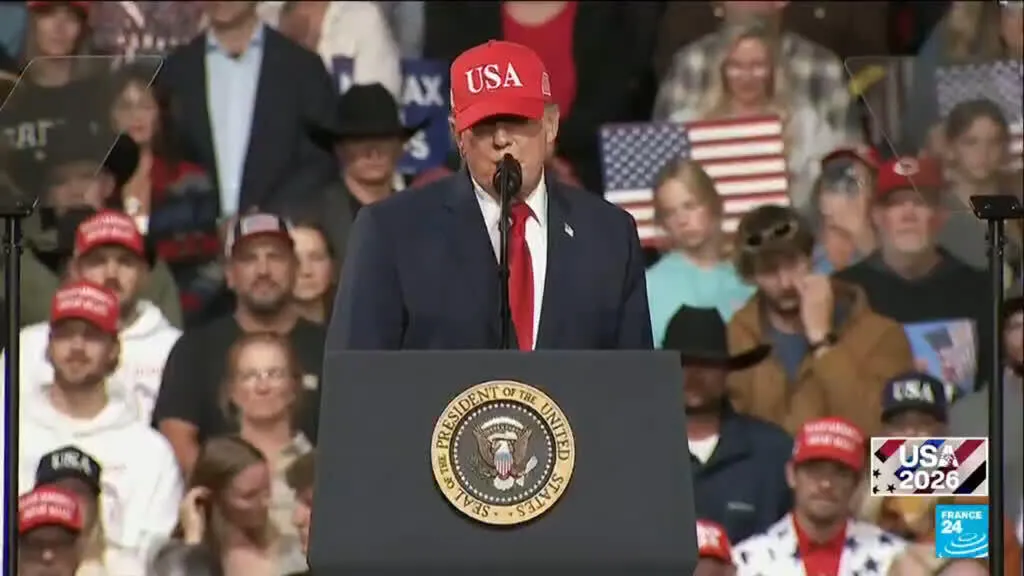
Hot September CPI: energy costs surge, voters feel the squeeze before midterms
The latest inflation print lands as Trump campaigns for GOP control of Congress, putting cost-of-living worries at the center of the midterm fight.