
US-Saudi nuclear deal critics warn of Middle East arms race, US reportedly backtracking
The US-Saudi nuclear cooperation plan is straining ties with Israel and the UAE as critics fear escalation.
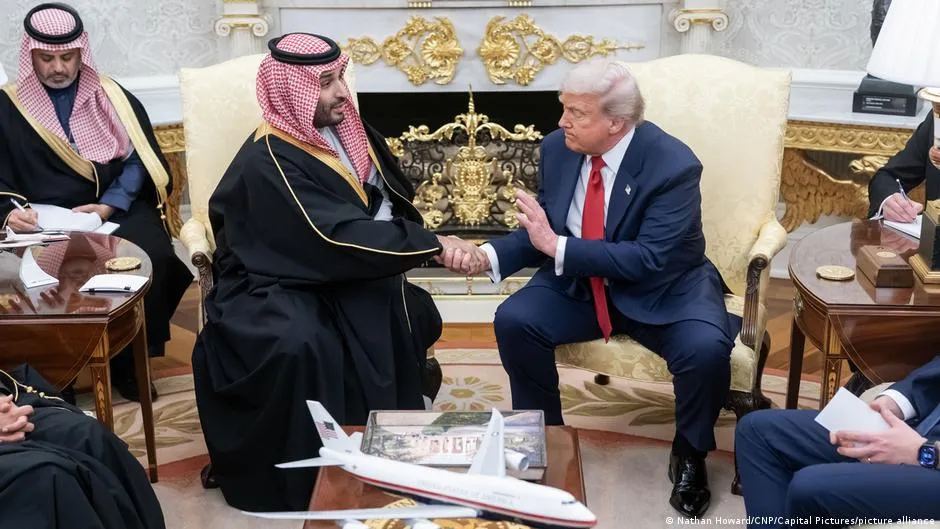
Deutsche Welle reports that critics say a US-Saudi nuclear deal could spark a nuclear arms race in the Middle East. The dispute is already damaging US alliance relationships and, per reports, the US may be backtracking.
A US-Saudi nuclear deal is colliding with the oldest rule in geopolitics: the moment you change the regional balance, everyone asks what the next move will be. Deutsche Welle highlights critics who argue the agreement could spark a nuclear arms race across the Middle East. The headline fear is not abstract. It is about capability and credibility, about what other governments will conclude after seeing the US expand nuclear cooperation with a close partner like Saudi Arabia.
And it is doing real damage to relationships Washington depends on. Deutsche Welle notes that the deal is “certainly not making US allies, like Israel and the UAE, happy.” If US partners believe the arrangement reduces their security or ties their hands, they will seek options of their own, pressure Washington harder, or quietly adjust their policies. In other words, even before any hardware changes, the alliance trust problem can already alter decisions.
The reason this matters for decision-makers is that nuclear cooperation is rarely a single agreement problem. It is a signaling problem. When the US pursues a nuclear cooperation deal with a state in a volatile neighborhood, regional actors do not only ask “what is being built.” They ask “what is being enabled,” “what timelines are implied,” and “what safeguards are credible over time.” Even if a deal is structured with restrictions, critics worry that the overall direction still changes incentives, especially if other countries fear they will otherwise fall behind.
This is also why the debate quickly turns into a question of how the deal is managed. Nuclear programs intersect with technology transfer, fuel-cycle know-how, training, and long lead-time infrastructure. Those are the parts that can outlast administrations. So boards and senior executives in defense, energy, and export-intensive sectors tend to treat nuclear diplomacy as a risk multiplier for compliance and contract stability, not just foreign policy. Policy uncertainty can cascade into procurement timing, licensing risk, and financing conditions, particularly when deals may be renegotiated.
Deutsche Welle adds another destabilizer: “reports suggest the US may already be backtracking on the deal.” Backtracking is not just a diplomatic adjustment. It can reframe the whole project in the eyes of every stakeholder. Saudi Arabia, Israel, and the UAE may read it as a sign that US commitments are less stable than regional partners assumed. That perception can encourage hedging behavior, from intensifying their own strategic planning to seeking alternative partnerships. Even companies that are not directly involved can feel it through shifting regulations, shifting interpretations of what the US is willing to approve, and shifting expectations for how quickly licensing or approvals might move.
For context, US nuclear cooperation deals sit in a web of domestic and international guardrails. While the source does not specify the technical terms of the Saudi arrangement, the general dynamic is that Washington must reconcile nonproliferation objectives with alliance politics and regional strategy. That balance becomes harder when allies publicly or indirectly question whether the arrangement improves their security. If Israel and the UAE are unhappy, as Deutsche Welle reports, the pressure is not only political. It can show up in consultation demands, in legislative attention, and in how future requests are evaluated.
There is also a second-order consequence that executives should not ignore: a nuclear arms race risk is not only about “who gets what.” It is about strategic interactions that escalate faster than many people expect. When one side thinks it needs deterrence or autonomy, the search for leverage can accelerate, which then triggers further reassurance measures by others. In a region already shaped by intense rivalries and security dilemmas, uncertainty can become the fuel. And the Deutsche Welle framing is specifically that critics see the US-Saudi deal as a potential spark.
So the stakes are wider than Middle East headlines. For any executive tracking geopolitical risk, the core lesson is that nuclear diplomacy can change alliance trust, regulatory expectations, and contracting assumptions all at once. If the US really is backtracking, as reports indicate, it suggests that Washington is trying to manage consequences it may have underestimated, or new constraints it cannot sidestep. The strategic question for peers in similar roles is straightforward: when a major agreement starts creating alliance friction and escalation fears, how quickly can policy stabilize, and how much damage is already done before the paperwork catches up.
This story's Key Insights and Take-aways are locked.
Create a free account to unlock Executive Actions for one credit.
Register to UnlockAlways free for Executives Club members. Join the Club
More in Politics
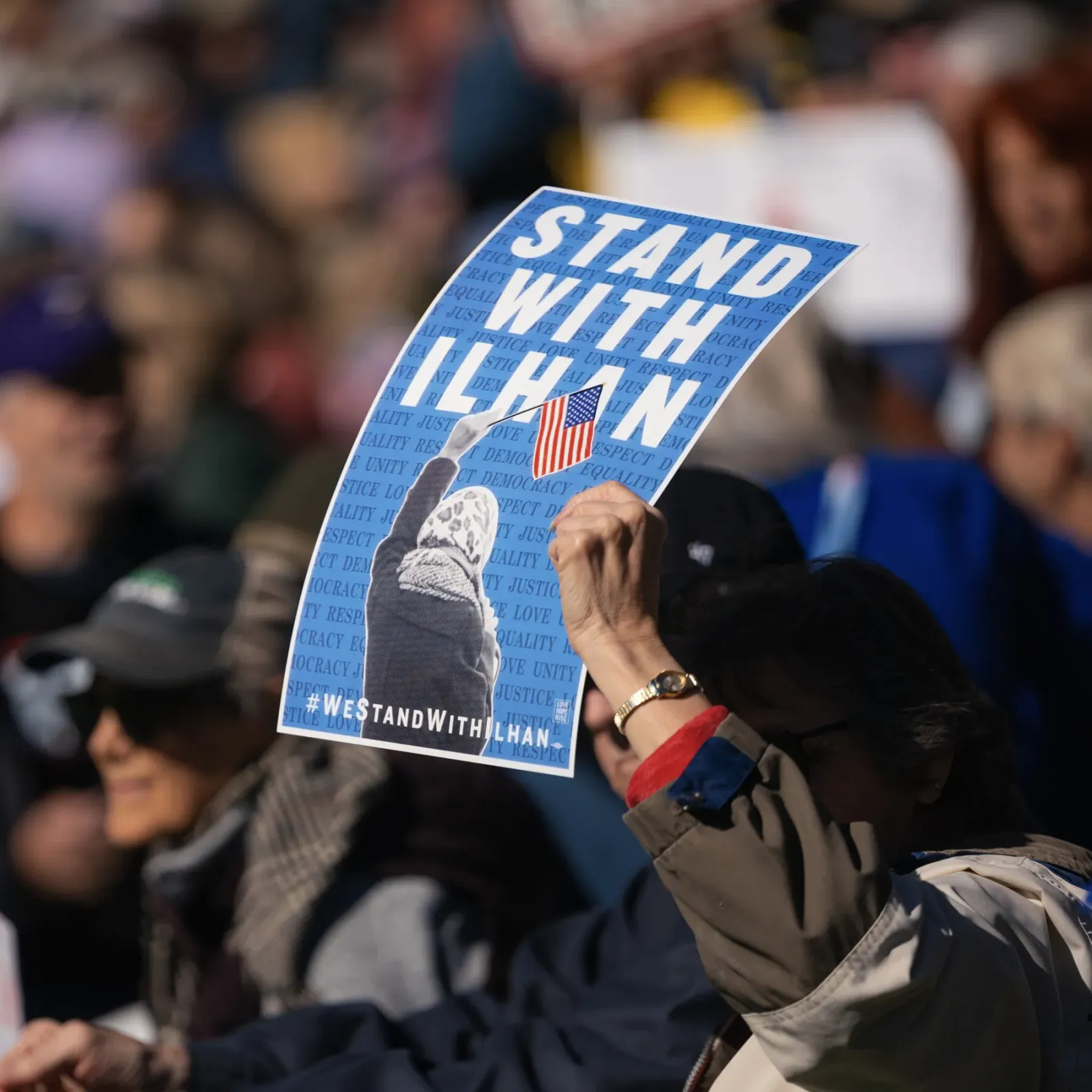
Obama Defends Ilhan Omar After Agents Search Her Home in Trump Inquiry
The former president's intervention raises the stakes in a federal probe into immigration paperwork that has put a prominent progressive lawmaker in the crosshairs.

Blair-era minister: cut welfare to fund youth job support
Alan Milburn's call for welfare cuts to fund employment support opens a Labour fight over benefits and the Neet crisis.
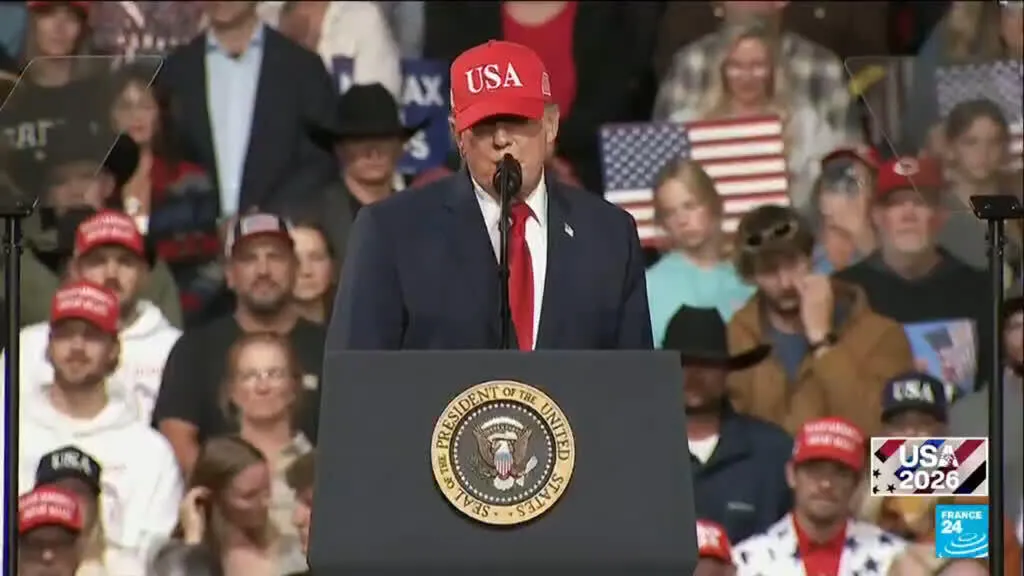
Hot September CPI: energy costs surge, voters feel the squeeze before midterms
The latest inflation print lands as Trump campaigns for GOP control of Congress, putting cost-of-living worries at the center of the midterm fight.