
Verizon’s Simplicity plan cuts upgrade and activation fees, but $30 needs loyalty opt-in
Verizon launches Simplicity with one flat line price, yet the $30 promo hinges on autopay, carrier-switch discounts, and My Verizon loyalty enrollment.

Verizon is launching a new Simplicity flat-rate mobile plan starting at $30 per month for new customers and $45 per month for existing ones. For decision-makers, it is a pricing and retention play that replaces certain upfront fees with eligibility gates and app-based loyalty enrollment.
Verizon’s new “Simplicity” flat-rate plan starts at $30 per month for new customers, or $45 per month for existing ones. Verizon says the plan drops activation and upgrade fees, and it offers one flat price for each line. But the $30 promotional pricing is not just a price tag you get by signing up and walking away. Verizon describes it as an “initial promotional offer” that applies after you enable autopay and take advantage of a discount for switching carriers.
And here is the catch that matters for anyone trying to model churn, customer lifetime value, or regulatory and reputational risk. Before customers can ditch Verizon’s $40 fee to activate or upgrade a device, Verizon says they will need to opt in to the carrier’s new loyalty program through the My Verizon app. In other words, the plan announces fee relief, while the fine print routes customers into a specific behavioral funnel: use the app, opt in, then enjoy the pricing benefits.
This is how carriers increasingly compete in a market where “bill shock” and complexity have become the enemy. Traditional mobile pricing has long been a maze of plan tiers, device upgrade charges, promotions, and conditional discounts. Verizon’s bet with Simplicity is straightforward: one flat price per line, fewer separate surprise fees, and a marketing narrative built on simplicity itself. In practice, the strategy shifts friction from the checkout to the eligibility requirements. You trade “activation and upgrade fees” for “autopay, switching-carrier discounts, and a loyalty program opt-in.”
That shift matters because it changes who is in control. When fees appear as fixed charges, regulators and consumer advocates can more easily point to the total cost of service and upgrades. When the “discount” is contingent, the effective cost depends on a customer’s actions, timing, and ability to remain enrolled in the required program. Verizon’s loyalty program opt-in through My Verizon becomes the mechanism that controls who gets to the advertised $30 promotional offer and who does not.
There is also a retention and upgrade dynamic baked into this. Device activation and upgrades are moments when customers are most likely to churn, either because a new phone changes their needs or because they finally notice how expensive the carrier feels. By tying the removal of Verizon’s $40 activation or upgrade fee to loyalty enrollment, Verizon is effectively saying: if you want to reduce the cost at the upgrade moment, you must first become part of the loyalty structure and keep participating through the My Verizon app.
Second-order effect: this kind of program enrollment can improve the quality of first-party data and customer engagement. Carriers already track usage and billing events, but an app-based loyalty opt-in can make it easier to prompt customers at the exact time they are deciding whether to upgrade or switch. That can strengthen the carrier’s ability to personalize offers, reduce churn, and manage win-back campaigns, especially when the company is trying to make pricing feel more uniform across lines.
For customers, the plan’s promise is cleaner bills in concept: “one flat price for each line.” For Verizon, the promise is cleaner acquisition messaging paired with more controlled economics. The $30 price is framed as an “initial promotional offer,” not a permanent baseline, and it is conditioned on autopay and a switching discount. Existing customers face the $45 price point for the plan, which signals that Verizon still separates the economics of new customer acquisition from the economics of the installed base.
Strategically, this is a reminder for telecom executives and boards: pricing moves are rarely just price moves. Verizon is taking a visible step to remove activation and upgrade fees from the marketing story, while simultaneously building gates around how customers qualify for the best price. If you lead a competing carrier, or advise one, the question is not whether a flat-rate plan sounds better. The question is whether your churn model, upgrade funnel, and customer lifecycle metrics are accounting for conditional discounts and app-based loyalty enrollment that can replicate “fee-like” behavior in a more palatable form.
And if you are an investor or operator watching the sector, the market takeaway is simple. Verizon is using simplicity as the headline, but loyalty opt-in is the lever. The $30 promotional offer for new customers is real, and the fee relief is real, but the path to both runs through autopay, carrier-switch discounts, and opting into the loyalty program via the My Verizon app.
This story's Key Insights and Take-aways are locked.
Create a free account to unlock Executive Actions for one credit.
Register to UnlockAlways free for Executives Club members. Join the Club
More in Technology

Nvidia's $89B data center quarter: the 9 companies cashing in
The AI buildout is minting fortunes beyond GPUs, and memory, cloud, and cooling suppliers are riding the same wave.
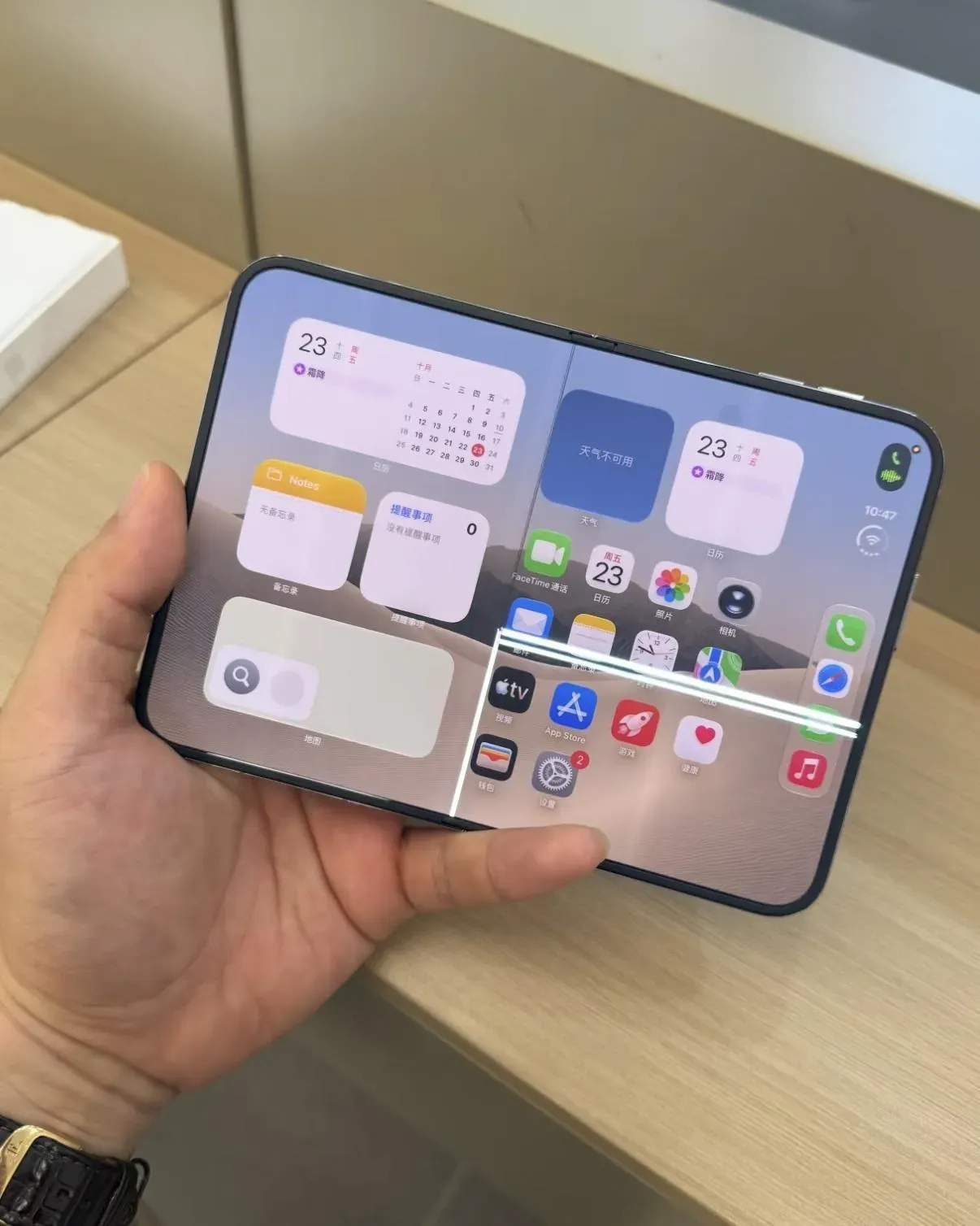
A YouTuber dissected the iPhone Duo and thinks he found crackgate's cause
CuriousHagi's teardown of Apple's foldable reveals a gear-like hinge that may explain why screens crack in the same spot within hours.

Google quietly links your phone number to every Android account on your SIM
Adding a SIM now ties your phone number to all Google accounts - and future accounts inherit it. Here's the security and privacy stakes.