
Verstappen-Russell feud reignites in Las Vegas as both start on the front row
The pair's rivalry is back on the eve of a race where track position decides everything, and Formula 1's biggest American bet is watching.
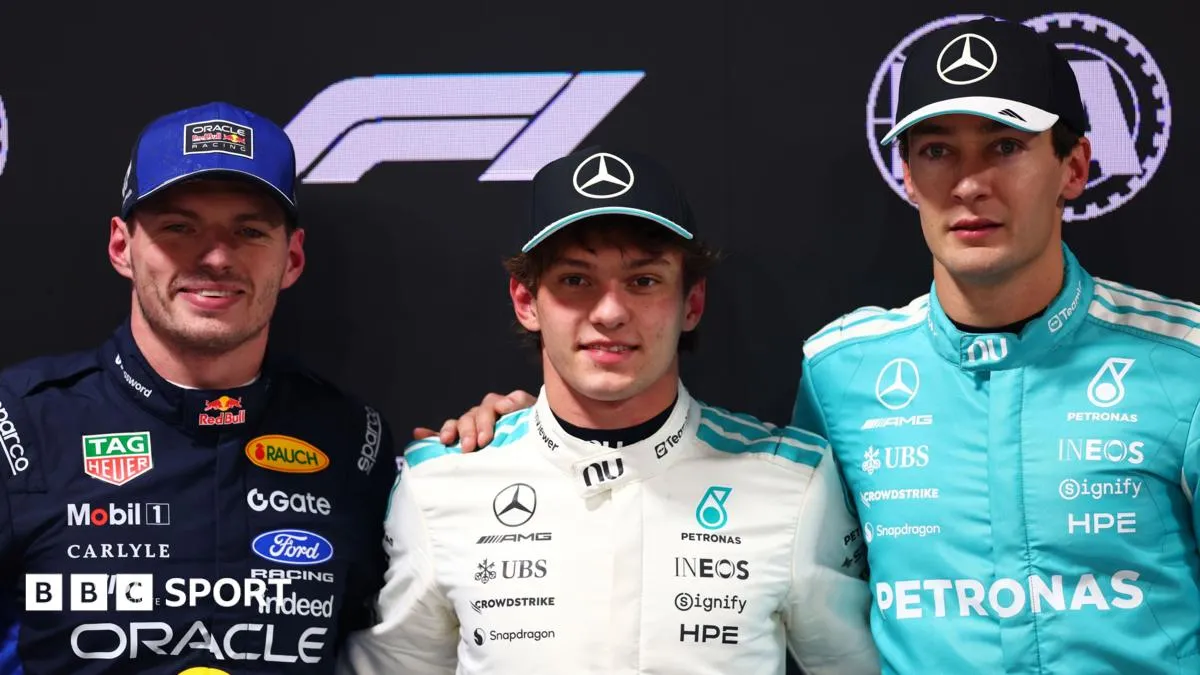
Max Verstappen and George Russell have renewed their feud at the Las Vegas Grand Prix, where the two will line up on the front row. For executives in sport, media, and sponsorship, the flashpoint is a live case study in how personal rivalry drives the commercial value of a premium property.
The Max Verstappen-George Russell feud is back, and this time it comes with a starting grid attached. The two drivers will line up on the front row for the Las Vegas Grand Prix, turning a race already built as Formula 1's glitziest American spectacle into a direct head-to-head between two men who have spent recent seasons trading barbs. BBC Sport framed the renewal bluntly: "Somebody has to stand up to that guy."
That line is the whole story in miniature. Verstappen, the Red Bull driver and multiple world champion, has been the sport's dominant force for years. Russell, Mercedes' lead driver and a multiple grand prix winner, has positioned himself as the one willing to say out loud what others only mutter in the paddock. Put them side by side on the front row and you get the rarest thing in modern Formula 1: a rivalry with both a personal edge and immediate competitive consequence. Neither driver has to manufacture a storyline. The grid does it for them.
Start with why the front row is not a cosmetic detail. Las Vegas is a street circuit, and street circuits historically punish anyone who qualifies badly. Walls sit close, run-off is minimal, and the long straights feed heavy braking zones where a pass is possible but expensive in tyre life and risk. Track position is typically worth more here than at a permanent facility with wide, forgiving corners. If Russell and Verstappen are side by side at lights out, the first corner becomes a negotiation, and the first lap sets the shape of the entire race. That is the sporting stake, and it is real.
Now the commercial layer, because that is where this gets interesting for anyone outside the cockpit. Formula 1 under Liberty Media has spent years pushing hard into the United States, and Las Vegas is the flagship of that push: a night race on the Strip, built as much for broadcast and hospitality as for racing. Rivalries are the product. They are what turns a two-hour race into a clip that travels, a headline that sells, and a reason a casual viewer tunes in next weekend. The sport's own documentary series helped make household names out of drivers precisely by leaning into exactly this kind of friction. A feud that surfaces on a front row in the biggest new market on the calendar is, from a rights-holder's perspective, close to ideal.
There is a governance layer too, and it is the one executives should watch most closely. Rivalries of this kind typically migrate from the track to the stewards' office. Hard racing produces investigations, penalties, and post-race arguments about consistency, and those arguments shape how the sport is officiated for everyone. When two front-running drivers escalate, the regulatory response becomes a precedent that other teams plan around. Driver briefings, penalty guidelines, and the tone set by race control all move in the wake of a rivalry that has gone public. That is the quiet second-order effect: the cost of a feud is not only reputational, it is regulatory.
Then there is the team dimension. Verstappen and Russell are not just two individuals; they are the faces of Red Bull and Mercedes, two organisations with large sponsorship portfolios, engineering headcounts, and brand equity tied to how their drivers behave on camera. A driver who looks reckless costs his team in partner conversations. A driver who looks like the only one willing to stand up to a dominant champion gains a different kind of equity. Both teams are managing that trade-off in real time, and both know the cameras are on the front row.
For peers in adjacent businesses, the lesson generalises. Premium sports properties are increasingly valued not by the quality of the competition alone but by the presence of durable, legible conflict between named individuals. Leagues, tours, and rights-holders have learned they can manufacture scheduling and marketing, but they cannot manufacture a genuine grudge. When one appears, the smart move is to let it breathe while keeping the officiating credible. That balance, between selling the rivalry and governing it, is the hardest job in sport right now.
So watch the first corner. Watch whether the stewards get involved. Watch how quickly the clip travels. The Las Vegas Grand Prix will be decided by tyre strategy and pit timing, as these races usually are, but the story that outlives the weekend will be the one between the two drivers on the front row. Formula 1 has spent a decade buying its way into American attention. This weekend, it gets the thing money cannot buy.
This story's Key Insights and Take-aways are locked.
Create a free account to unlock Executive Actions for one credit.
Register to UnlockAlways free for Executives Club members. Join the Club
More in Entertainment
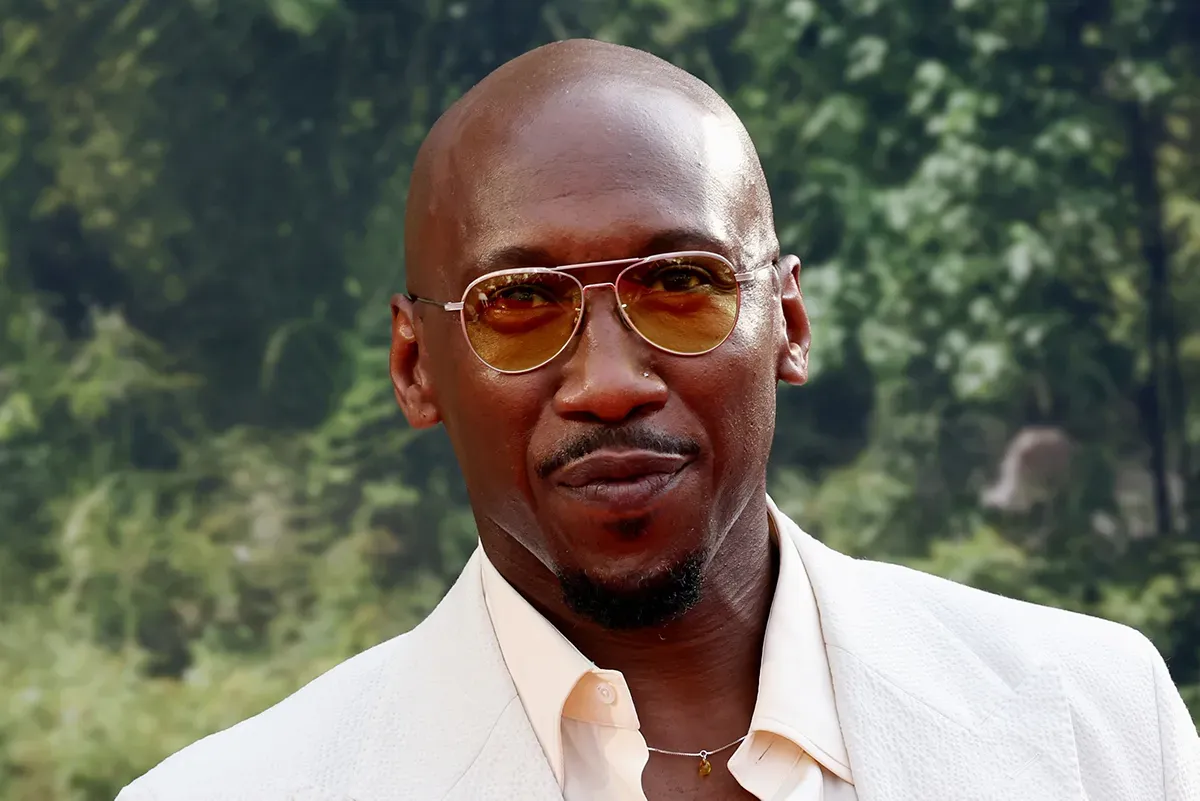
Mahershala Ali's Two Oscars Buy Him Nothing: 'There Are Not Roles for Me'
The two-time Oscar winner told the 7PM in Brooklyn podcast that his trophies do not unlock work in 'the vast majority of projects,' a blunt read on what Hollywood's franchise economy actually rewards.
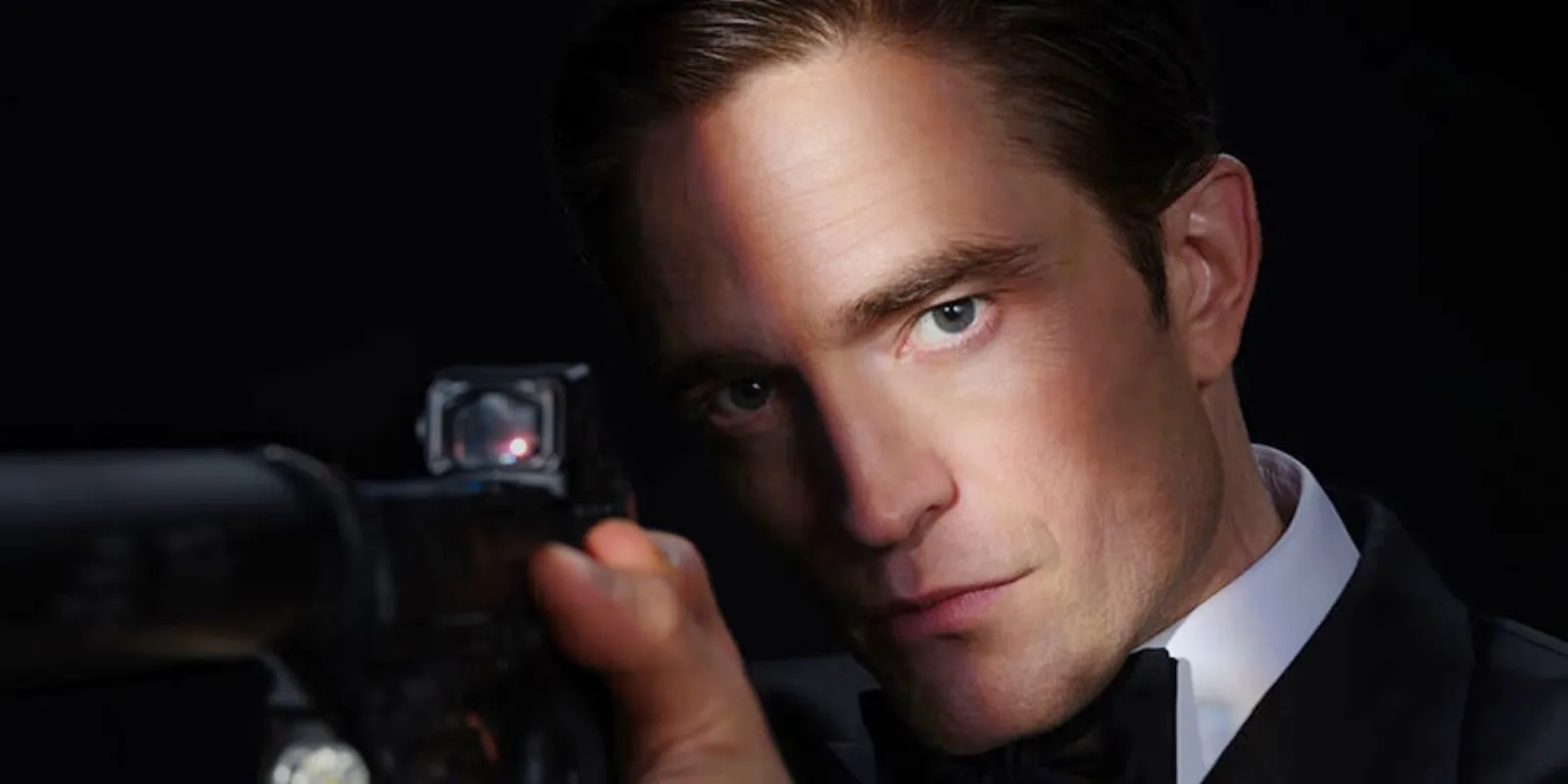
Robert Pattinson Is 007: Amazon's Bond Pick Sends a Divisive Film Surging
Amazon confirmed Pattinson as Bond under Denis Villeneuve, and within days the franchise's most controversial entry started climbing the streaming charts, a reminder that casting is catalog strategy.

GTA 6 Ate Nearly a Quarter of Comcast's Traffic on Its Biggest Day
Comcast says the November 19 launch pushed network traffic 31% above an average day, and the fine print on its own chart is the part operators should read twice.