

Victor Wembanyama Spurs deal limits extension earnings, and shifts the NBA’s power balance
A new contract choice gives the Spurs a potential edge, while forcing every rival to rethink how they build around stars.
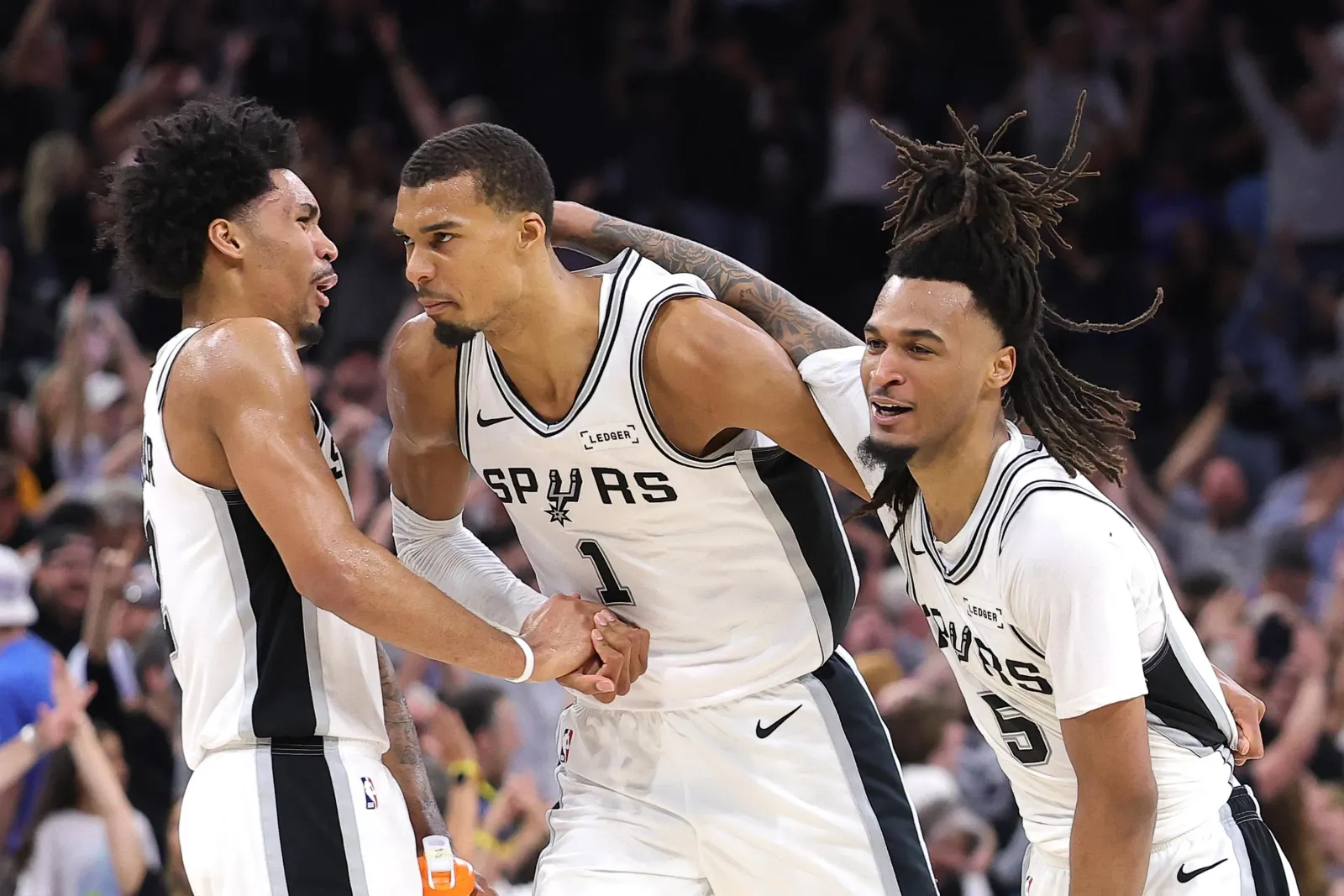
Victor Wembanyama’s new contract with the San Antonio Spurs could give San Antonio a major competitive advantage because he did not take everything he could have in an extension. For decision-makers across the NBA, it changes how quickly elite talent can translate into roster dominance.
Victor Wembanyama’s new contract might be the rare NBA financial story that directly affects the standings. The key detail is also the reason everyone should care: the Spurs might gain a major competitive advantage because Wembanyama did not take everything he could have received in an extension.
In other words, this is not just “player market value” theater. It is about leverage. When a young superstar leaves money on the table relative to what an extension could have delivered, the team can preserve flexibility elsewhere, potentially improving the roster around him without hitting a financial wall. That matters in a league where one extra competent starter, a rotation big, or a reliable defender can be the difference between fighting for a top seed and picking up meaningful lottery balls.
To understand why this could shift the NBA’s balance of power, it helps to remember how roster-building actually works. Teams do not just spend to “get better.” They spend within constraints. Those constraints are driven by the collective bargaining framework, contract structures, and how salary commitments compound over time. Star contracts create a gravitational pull: the more a team locks in, the fewer degrees of freedom it has to address weaknesses, absorb injuries, or respond to rivals at the trade deadline. So when a team’s franchise player takes less than the ceiling available to him, it can increase the odds that the organization stays competitive not just at one moment, but across multiple seasons.
Wembanyama is the Spurs’ centerpiece. But the competitive advantage being discussed here is not that he is simply talented. It is that his contract decision could change how much the Spurs can do around him. That is why this story lands as a “power balance” item, not a “sports headline” item. The competitive advantage could show up in how many usable pieces the Spurs can keep, how quickly they can add specialists, and whether they can avoid being outgunned by teams that spend aggressively at every opportunity.
There is also a second-order team dynamic at play: boards and front offices often want stability in two places at once, the on-court identity and the off-court financial runway. Superstar contracts are typically the biggest line item on any basketball spreadsheet. If that line item is structured in a way that does not fully maximize the immediate extension value, it can be interpreted as a trade of short-term dollars for long-term roster construction. For executives, that can be a subtle but powerful signal. It can also affect how other top players evaluate their own negotiation strategy, because they see that flexibility at the star level can translate into real competitive upside for the franchise.
And for the rest of the league, the implications are uncomfortable. The NBA has plenty of teams with superstar potential or star-level production, but turning that into sustained contention is brutal. If the Spurs can use this arrangement to avoid salary rigidity while maintaining elite talent, then rivals have to ask whether they are building to survive the regular season or to actually win when the matchup matters. Even teams with similar timelines to San Antonio could be forced to prioritize different roster bets. Instead of chasing every available upgrade regardless of cost, they may need to be more intentional about what they can keep and how they can layer complementary skills around their star.
Put simply, this contract detail matters because the league is not won by “best player” alone. It is won by the shape of the roster around the best player. If Wembanyama’s extension did not maximize what he could have received, and that choice creates space for the Spurs to keep or acquire the right supporting cast, then San Antonio’s competitive ceiling rises. And when one contender’s ceiling rises, everyone else’s margin for error gets smaller.
This story's Key Insights and Take-aways are locked.
Create a free account to unlock Executive Actions for one credit.
Register to UnlockAlways free for Executives Club members. Join the Club
More in Business
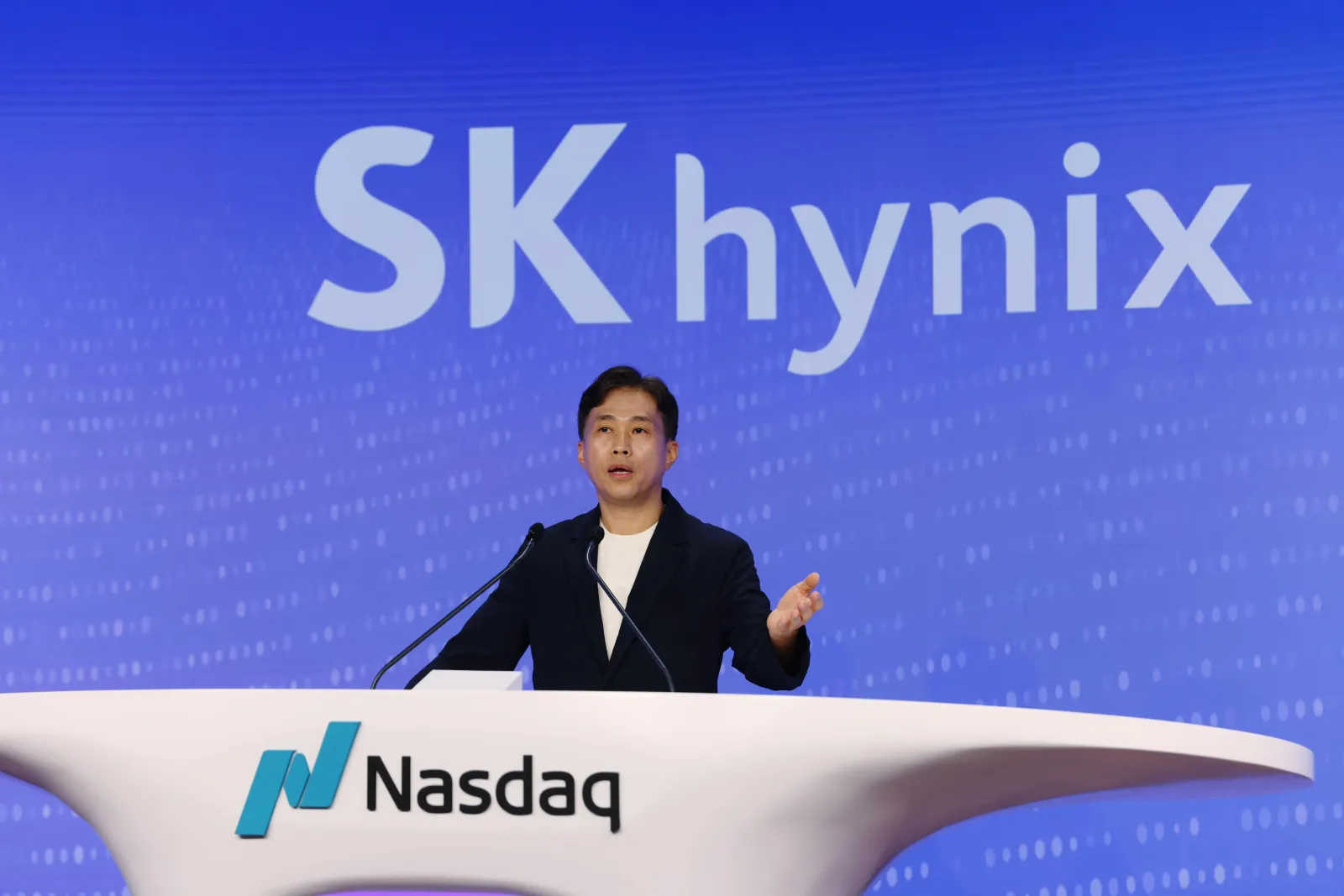
SK Hynix opens at $170, raises $26.5B, and tops foreign IPO records
In Friday's Wall Street debut, SK Hynix turns AI RAM demand into a $26.5B fundraising moment that rewrites comps.

China lands a reusable Long March booster, a first that matches SpaceX and Blue Origin
A barge landing and net-based recovery move China from theory to proof, reshaping the reusability race and satellite ambitions.

AstraZeneca $27B wipeout as Wainua late trial misses cardiovascular target
A failed late-stage heart study triggered a swift market punishment, forcing investors and boards to reset timelines and risk.