

Vietnam's Vingroup signs $1bn bullet train deal with Siemens
The conglomerate's move into high-speed rail signals a major infrastructure push and opens new opportunities for global suppliers.

Vingroup, Vietnam's largest conglomerate, has signed a $1 billion deal with Siemens to develop bullet train technology. This marks a significant step in Vietnam's infrastructure modernization and creates a new competitive landscape for regional rail projects.
Vietnam's Vingroup has inked a $1 billion agreement with Germany's Siemens to develop bullet train technology, a deal that positions the conglomerate at the forefront of the country's ambitious infrastructure push. The partnership, announced this week, will see Vingroup leverage Siemens' expertise in high-speed rail systems to build and operate a modern rail network, a move that could reshape transportation across Southeast Asia. For a company better known for its automotive and real estate ventures, this pivot into rail signals a strategic bet on the region's growing demand for efficient, large-scale transit solutions. The deal is not just a corporate milestone; it is a signal to global investors that Vietnam is serious about closing its infrastructure gap, which has long been a bottleneck for its fast-growing economy. With a population of nearly 100 million and a rapidly expanding middle class, the country's need for reliable, high-capacity transport has never been more urgent, and Vingroup is positioning itself as the private-sector champion to deliver it. The $1 billion figure is a headline number, but the real story lies in the technology transfer and the long-term operational partnership that will follow. Siemens, a global leader in rail automation and electrification, brings decades of experience from projects like the ICE in Germany and high-speed lines in China and Spain. For Vingroup, this is a shortcut to world-class capability, avoiding the decades of trial and error that would otherwise be required. The deal also carries geopolitical weight: it comes as Western firms compete with Chinese state-backed companies for infrastructure contracts across Asia. By choosing Siemens, Vingroup has aligned itself with European engineering standards, which could ease future financing from multilateral lenders like the Asian Development Bank or the World Bank, both of which have historically favored Western technology. Domestically, the move could pressure Vietnam's state-owned railway operator, which has struggled with aging infrastructure and chronic underinvestment. Vingroup's entry into the sector introduces a private-sector competitor with deep pockets and a reputation for execution, potentially forcing a long-overdue modernization of the country's rail network. For other conglomerates in the region, the deal is a case study in how to diversify into high-growth, government-priority sectors. Rail projects are notoriously capital-intensive and politically sensitive, but they offer stable, long-term returns and strong government backing. Vingroup's willingness to take on this risk suggests that the company sees a clear path to profitability, likely through a mix of government concessions, fare revenues, and ancillary development around stations. The immediate challenge will be execution: building a bullet train line in Vietnam's challenging terrain, with its narrow coastal plains and mountainous interior, will test even Siemens' engineering prowess. But if Vingroup succeeds, it could become a template for other Southeast Asian nations, from Thailand to the Philippines, that are eyeing high-speed rail but lack the technical know-how. For executives watching from the sidelines, the lesson is clear: infrastructure is back on the agenda, and the winners will be those who move early, partner with proven technology providers, and navigate the regulatory landscape with agility. Vingroup has made its move; the question now is who will follow.
This story's Key Insights and Take-aways are locked.
Create a free account to unlock Executive Actions for one credit.
Register to UnlockAlways free for Executives Club members. Join the Club
More in Business
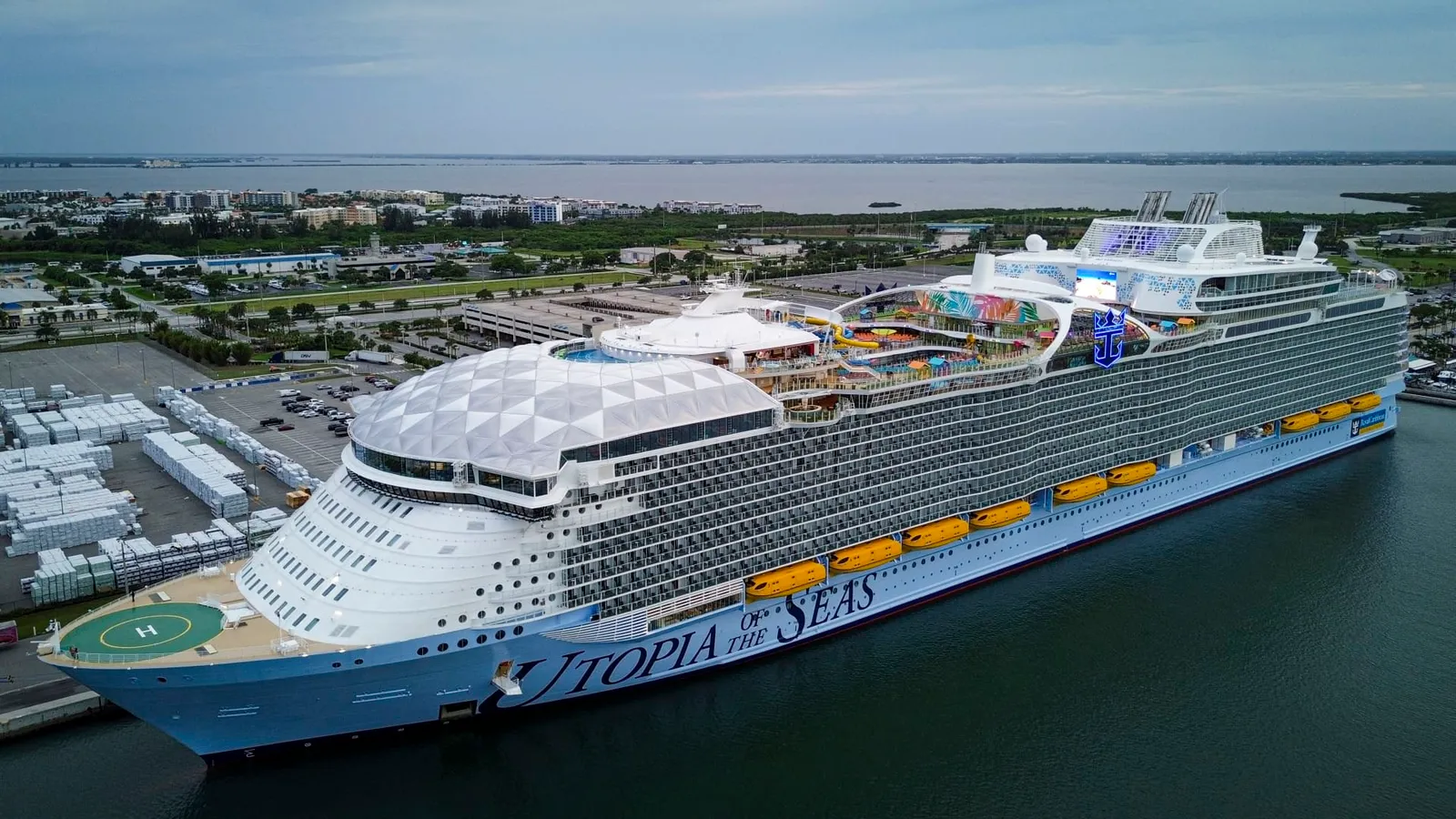
Royal Caribbean just spent $3B to own half of Sandals
The cruise giant is buying a 50% stake in the all-inclusive resort chain for $3 billion, a bet that land-based vacations are the next growth engine.

Paramount's Ellison: Merger Clearance Done, WBD Deal by Oct 1
David Ellison says the Paramount-WBD merger has full clearance after settling with state AGs, clearing the path for an October 1 close.
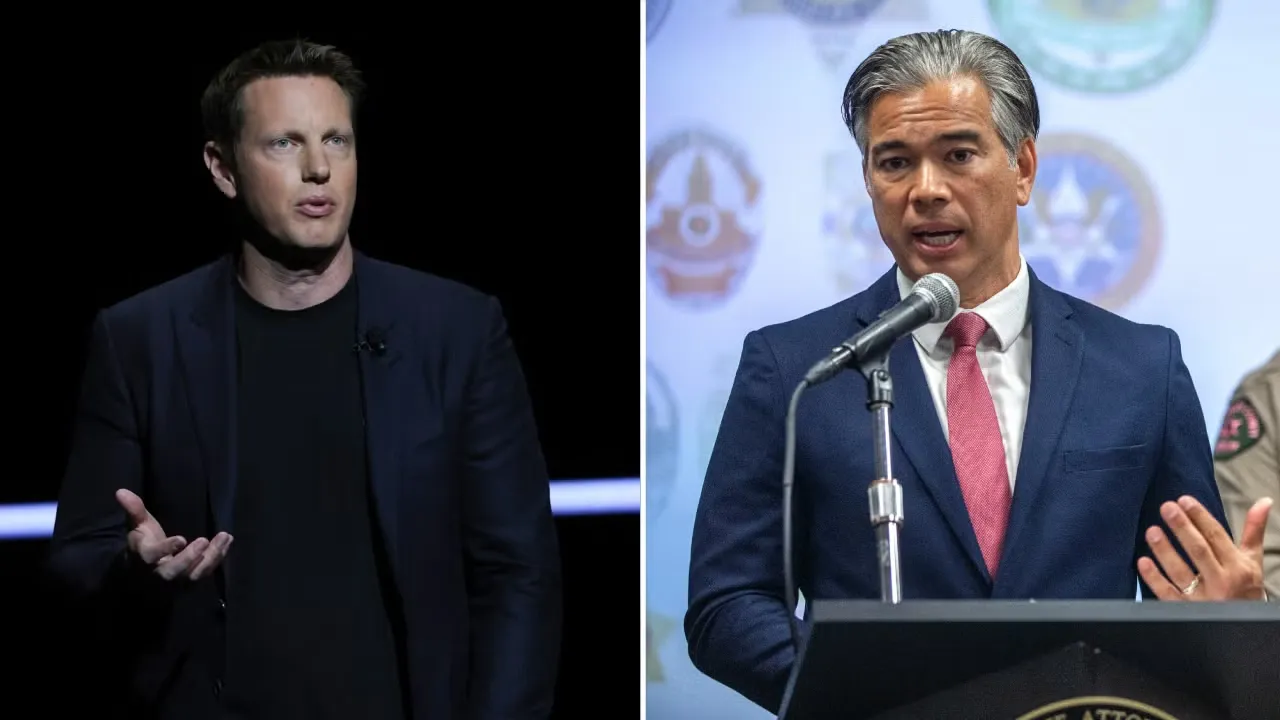
Paramount settles with 12 states, $110B Warner merger clears final hurdle
David Ellison's studio avoids a March trial and a $7M-a-day ticking fee by settling with state AGs over local job losses.