
VinFast's $1.2bn property play to buy itself more runway
VinFast's latest move shows how conglomerates recycle real estate into cash when EV capital markets close.
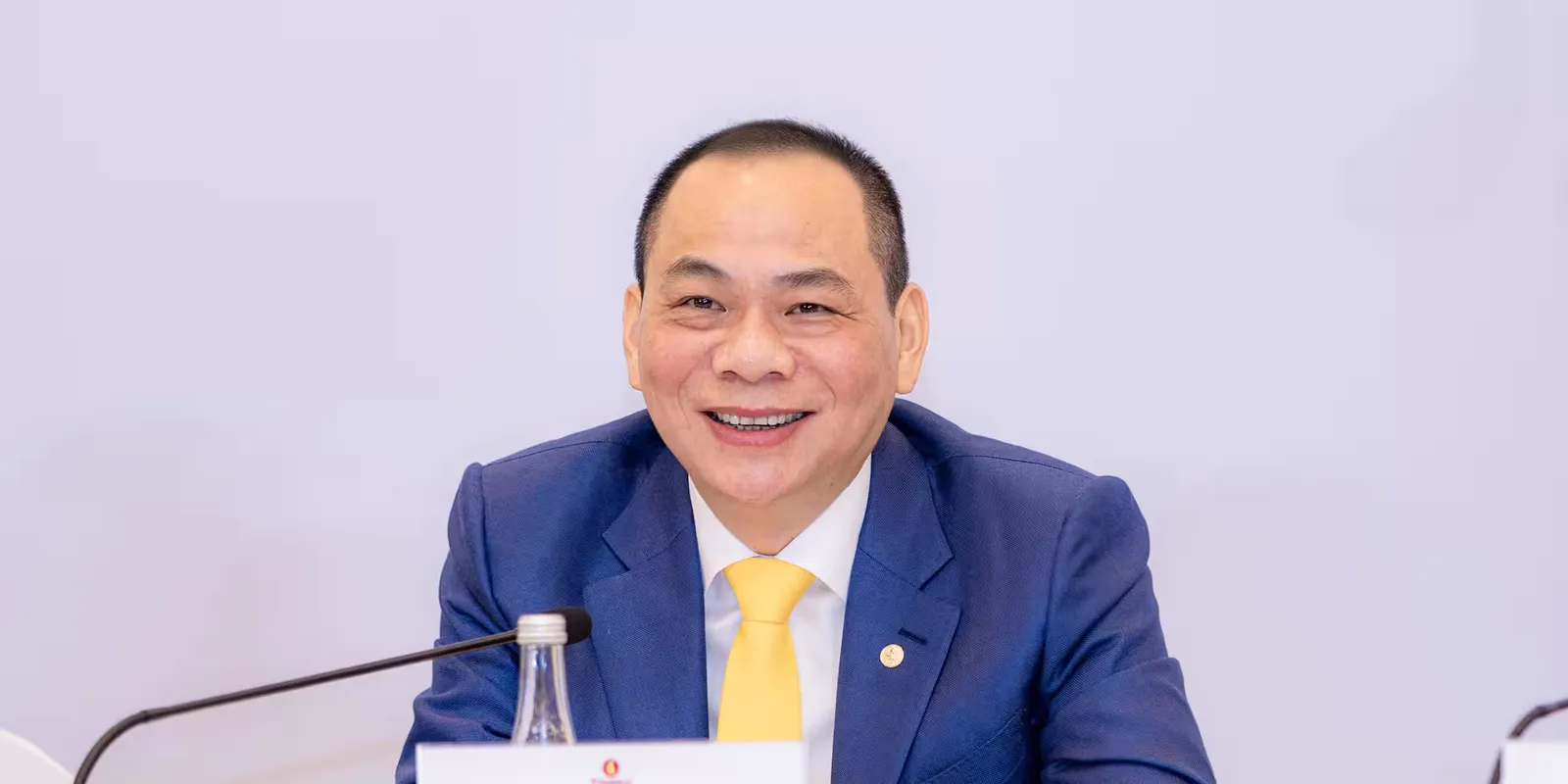
VinFast, the Vietnamese EV maker chaired by billionaire Pham Nhat Vuong, is pursuing a $1.2bn property deal to bolster its balance sheet amid sustained cash burn. For decision-makers in capital-intensive industries, the transaction is a case study in using conglomerate real estate as financing when public markets turn stingy.
VinFast is pinning its next act on real estate. The Vietnamese EV maker, chaired by billionaire Pham Nhat Vuong, is pursuing a $1.2bn property deal to give itself a financial boost, according to Nikkei Asia. The figure matters because it is large relative to a company that has consumed billions of dollars in cash since its Nasdaq debut in August 2023 and has posted net losses in every reporting period since deliveries began.
A property deal of this size is not a side note. It is a capital-raising maneuver dressed in different clothes. Where a conventional automaker might tap bond markets or sell equity, VinFast is reaching for an asset class its parent Vingroup knows intimately: land. The exact structure - whether VinFast is selling, leasing back, or restructuring development rights - will determine how much of the $1.2bn actually lands on the balance sheet, but the intent is unmistakable: buy runway.
To understand why VinFast needs the money, start with the business model. VinFast was founded in 2017 as the automotive arm of Vingroup, Vietnam's largest private conglomerate, which built its fortune in real estate, resorts, and retail before pivoting to technology. The carmaker went public on Nasdaq in under six years, a staggering pace, and set out to export EVs to North America and Europe, with a factory in North Carolina and expansion plans across Asia. Ambition of that scale does not come cheap.
The losses have been relentless. VinFast's models launched into a global EV price war, and the company has repeatedly adjusted strategy - adding hybrid and gasoline models to generate faster cash, shifting from a direct sales model to a dealer network, and leaning on its parent for support. Vingroup and Vuong have committed billions of dollars in financing over the years, and VinFast has already sold ancillary businesses, including a battery unit, to related entities. The $1.2bn property deal is the logical next step in that playbook.
The property angle is also a reminder of how the group is built. Vingroup's roots are in development, and it holds a vast portfolio of land and projects across Vietnam. For a conglomerate, moving real estate value into the EV arm is a way to recycle assets without going to outside investors, who today would likely demand steep discounts or strict conditions. The trade-off is scrutiny: related-party transactions, however logical, invite questions about valuations, governance, and minority shareholder dilution.
The strategic context sharpens the stakes. VinFast is Vietnam's most visible corporate export bet, and its survival matters well beyond its own shareholders. The Vietnamese government has long wanted a homegrown auto champion, and the company is central to that ambition. Domestically, it now faces a newly crowded market - Chinese giants like BYD have entered Vietnam, bringing cheaper models and aggressive pricing. Internationally, the EV sector has cooled. Growth forecasts have been trimmed across the industry, and the capital that flowed easily to EV startups a few years ago has largely dried up. VinFast is not just funding growth; it is funding a defense of its home market while still trying to prove it can win abroad.
For CFOs and boards across the mobility sector, the episode is a playbook in extreme capital intensity. EV manufacturing demands factory capex, supply chains, and years of negative margins before scale rewards you. When public markets close, options narrow to three: cut costs, find strategic investors, or monetize assets inside the corporate group. VinFast is doing all three, and the property deal is the most aggressive version of the third. The lesson for other challengers is uncomfortable: without a wealthy parent or a land bank, the funding options shrink dramatically.
The open questions matter more than the headline. Will the deal close? At what valuation? Is the counterparty an independent buyer or another Vingroup entity? Each answer changes the quality of the $1.2bn. For VinFast, a successful close would extend its cash runway and buy time to narrow losses; a delay would renew doubts about its ability to fund operations without emergency lifelines. For everyone else watching, the deal is a reminder that in today's capital environment, a balance sheet with hard assets is a survival tool - and a car company is, in the end, only as strong as the assets it can convert into cash.
This story's Key Insights and Take-aways are locked.
Create a free account to unlock Executive Actions for one credit.
Register to UnlockAlways free for Executives Club members. Join the Club
More in Business
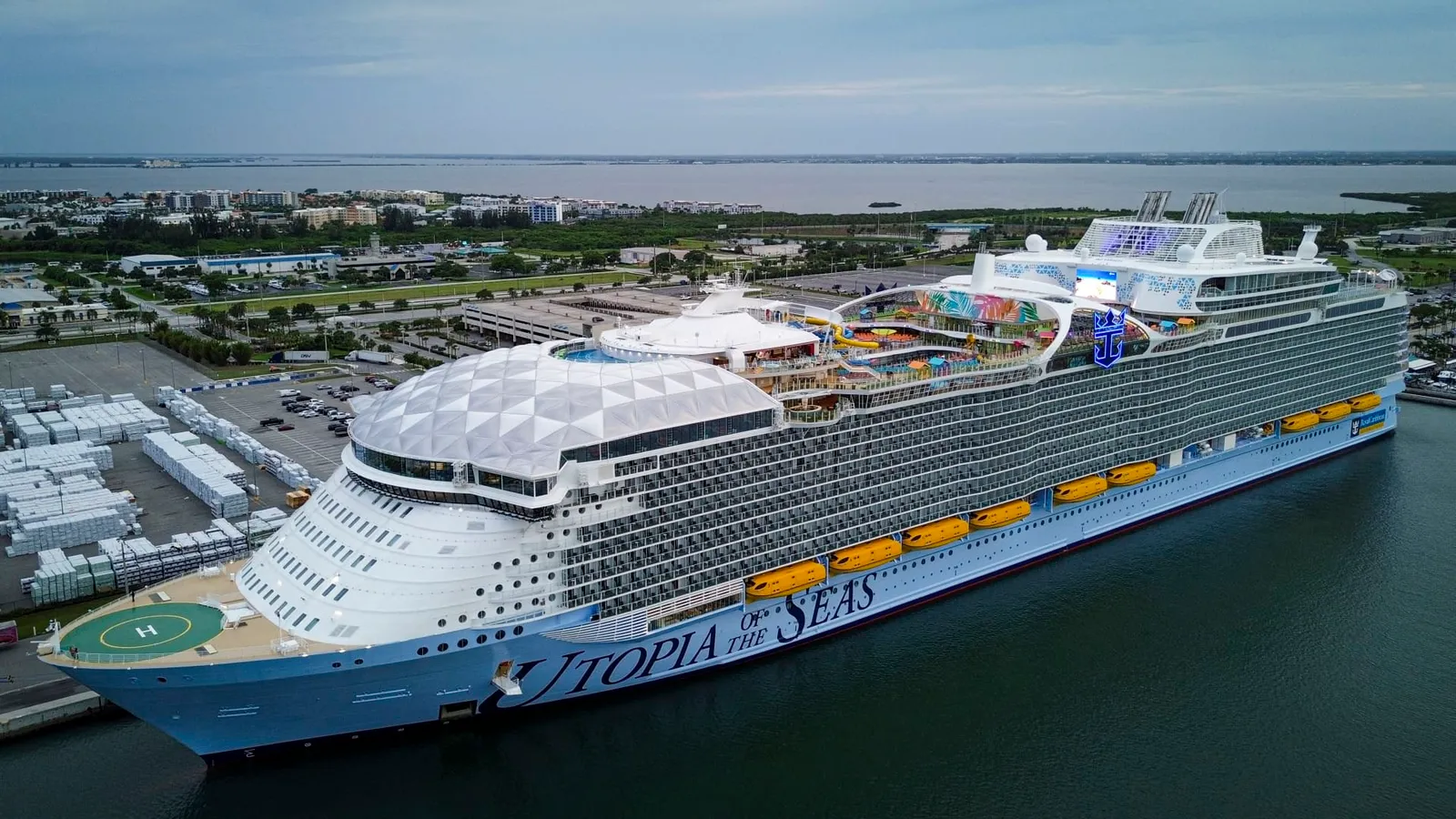
Royal Caribbean just spent $3B to own half of Sandals
The cruise giant is buying a 50% stake in the all-inclusive resort chain for $3 billion, a bet that land-based vacations are the next growth engine.

Paramount's Ellison: Merger Clearance Done, WBD Deal by Oct 1
David Ellison says the Paramount-WBD merger has full clearance after settling with state AGs, clearing the path for an October 1 close.

Paramount settles with 12 states, $110B Warner merger clears final hurdle
David Ellison's studio avoids a March trial and a $7M-a-day ticking fee by settling with state AGs over local job losses.