

Vinod Khosla buys the Seahawks for $9.6 billion, turning a control sale into a valuation benchmark
A major tech investor deal for Seattle sets an unusually high pricing signal for team ownership transitions.
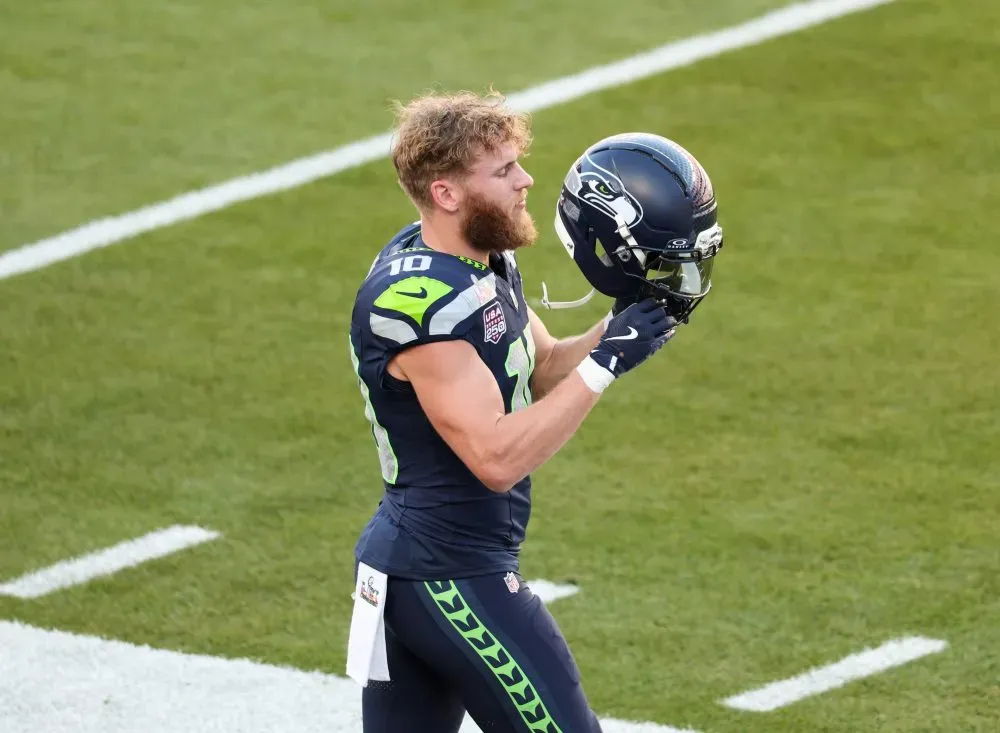
Tech billionaire Vinod Khosla and his family have reached an agreement to buy the NFL’s Seattle Seahawks for $9.6 billion, according to people familiar with the details reported by Variety’s sibling sports outlet Sportico. For decision-makers, it is a top-tier pricing reference point for how much control of major sports franchises now costs.
Tech billionaire Vinod Khosla and his family have reached an agreement to buy the Seattle Seahawks for $9.6 billion, according to people familiar with the details, as reported by Variety's sibling sports news outlet Sportico. The headline number is the point, because $9.6 billion is the kind of price that turns a sports purchase into a market signal. It is also described as nearing $10 billion, which matters because once a deal sits in that range, future ownership discussions tend to benchmark against it.
The bigger frame is that this transaction is a control sale. Sportico's reporting, cited by Variety, says the deal would be one of the largest valuations ever for a sports team in a control transaction. In plain English: this is not a passive stake or a minority investment where influence is limited. A control acquisition typically changes who gets to set direction, how governance is structured, and how the economic model of the franchise is managed. When investors pay at that scale, the market reads it as a statement about the durability of the underlying asset, especially in the most valuable tier of U.S. sports.
For executives, founders, and investors watching from outside the sports world, the interesting angle is how a tech billionaire can translate capital strength into ownership leverage. Khosla’s profile as a tech investor highlights a familiar crossover pattern: wealthy financial sponsors have been increasingly willing to fund high-cost, long-duration assets where the cash flows are influenced by league rules, media rights, stadium economics, and brand value. But the key here is not just “someone with money bought a team.” The key is that the reported price suggests a willingness to assign premium value to control in a league where governance is tied to franchise performance, league economics, and regulatory approval.
Regulatory and governance context matters too, even when the source is light on details. Control transactions in major U.S. sports typically require league-level review and approval processes. That review is not only about the buyer’s personal fit, it is also about ensuring the ownership group meets the standards set by the league for stability and compliance. While the Variety and Sportico report cited in the source excerpt does not list those steps, it is the same general reality for franchise ownership: deals like this live or die by approvals, timelines, and the ability of the buyer to close with the right structure. That means the “agreement to buy” is an important milestone, but it is not the final word.
Board dynamics are another second-order implication. When a family or an investor group moves to acquire a team, the sellers are usually negotiating not just for price, but for certainty of closing. In control deals, the path to closing can be as valuable as the headline valuation, especially if there are sensitive elements like financing structure, legal conditions, and league review. A $9.6 billion bid that is positioned as near a historical high suggests the seller believes it has found a buyer willing to clear those hurdles. For boards at any company, the lesson is transferable: when stakes are huge, deal execution risk is part of the price.
Then there is the question of what such a valuation does to the broader sports M and A environment. Even without more details in the provided source excerpt, deals at this scale tend to shift the negotiation gravity. Future transactions can be anchored against these numbers, changing the expectations of sellers and the internal hurdle rates of buyers. That can create a “pricing floor” effect, where even teams that look less comparable might see valuations discussed in ranges closer to the high-end benchmark. For other investors considering sports exposure, this matters because team ownership is often evaluated as a mix of business fundamentals and prestige. The market is signaling that prestige now carries a price tag that is hard to ignore.
Finally, there is a practical implication for anyone managing capital across sectors. If a control purchase can command $9.6 billion, that is a reminder that the capital market has room for extremely high valuations when the asset category is seen as resilient. Sports franchises can be less like traditional operating businesses and more like platforms tied to media rights, fan economics, and brand-driven demand. That can make them attractive to investors who are comfortable with long-term holding periods and who can value a franchise as both an economic engine and a governance position.
Bottom line: Khosla and his family’s reported agreement to buy the Seattle Seahawks for $9.6 billion is being framed as one of the largest control-transaction valuations for a sports team, nearing the $10 billion mark. For decision-makers, it is a real-world reference point for what control in elite sports may cost now, and it sets the tone for how approvals, governance, and long-duration capital will play into the next wave of major franchise ownership transitions.
This story's Key Insights and Take-aways are locked.
Create a free account to unlock Executive Actions for one credit.
Register to UnlockAlways free for Executives Club members. Join the Club
More in Business
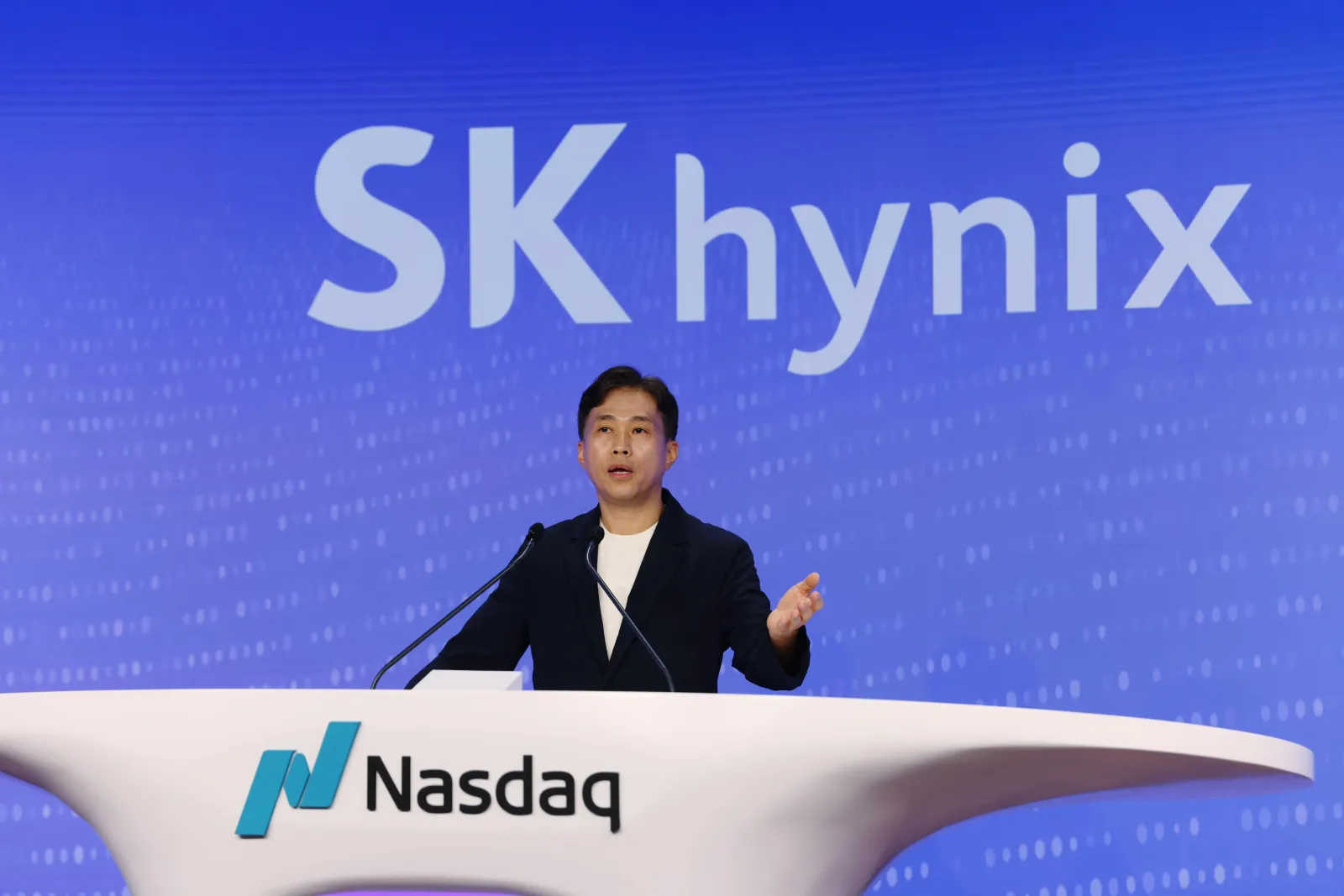
SK Hynix opens at $170, raises $26.5B, and tops foreign IPO records
In Friday's Wall Street debut, SK Hynix turns AI RAM demand into a $26.5B fundraising moment that rewrites comps.
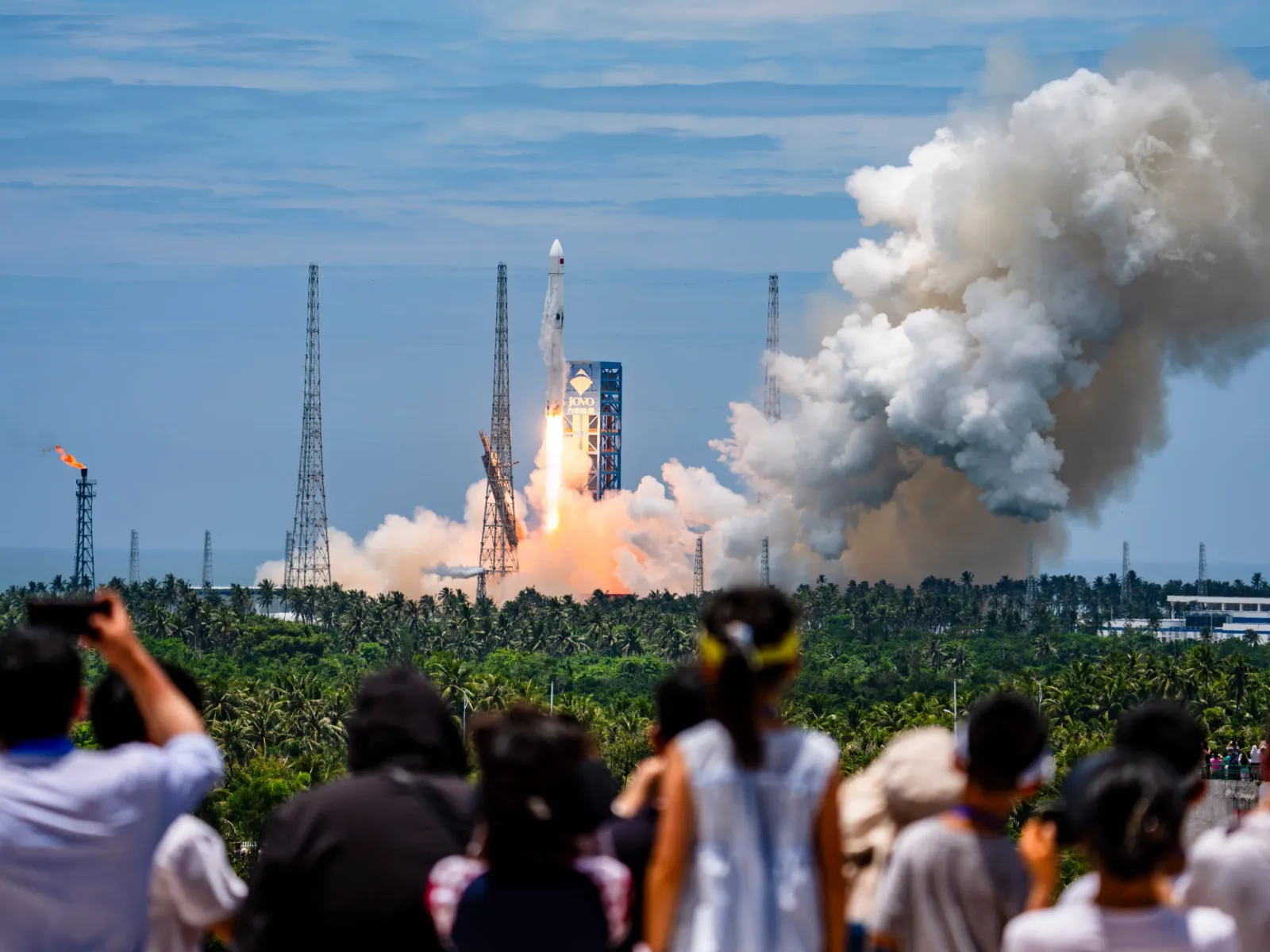
China lands a reusable Long March booster, a first that matches SpaceX and Blue Origin
A barge landing and net-based recovery move China from theory to proof, reshaping the reusability race and satellite ambitions.

AstraZeneca $27B wipeout as Wainua late trial misses cardiovascular target
A failed late-stage heart study triggered a swift market punishment, forcing investors and boards to reset timelines and risk.