

Vivani bets on a tiny semaglutide implant to extend GLP-1 weight loss
The implant aims to deliver semaglutide like Wegovy and Ozempic, but via a different route that could reshape obesity therapy.
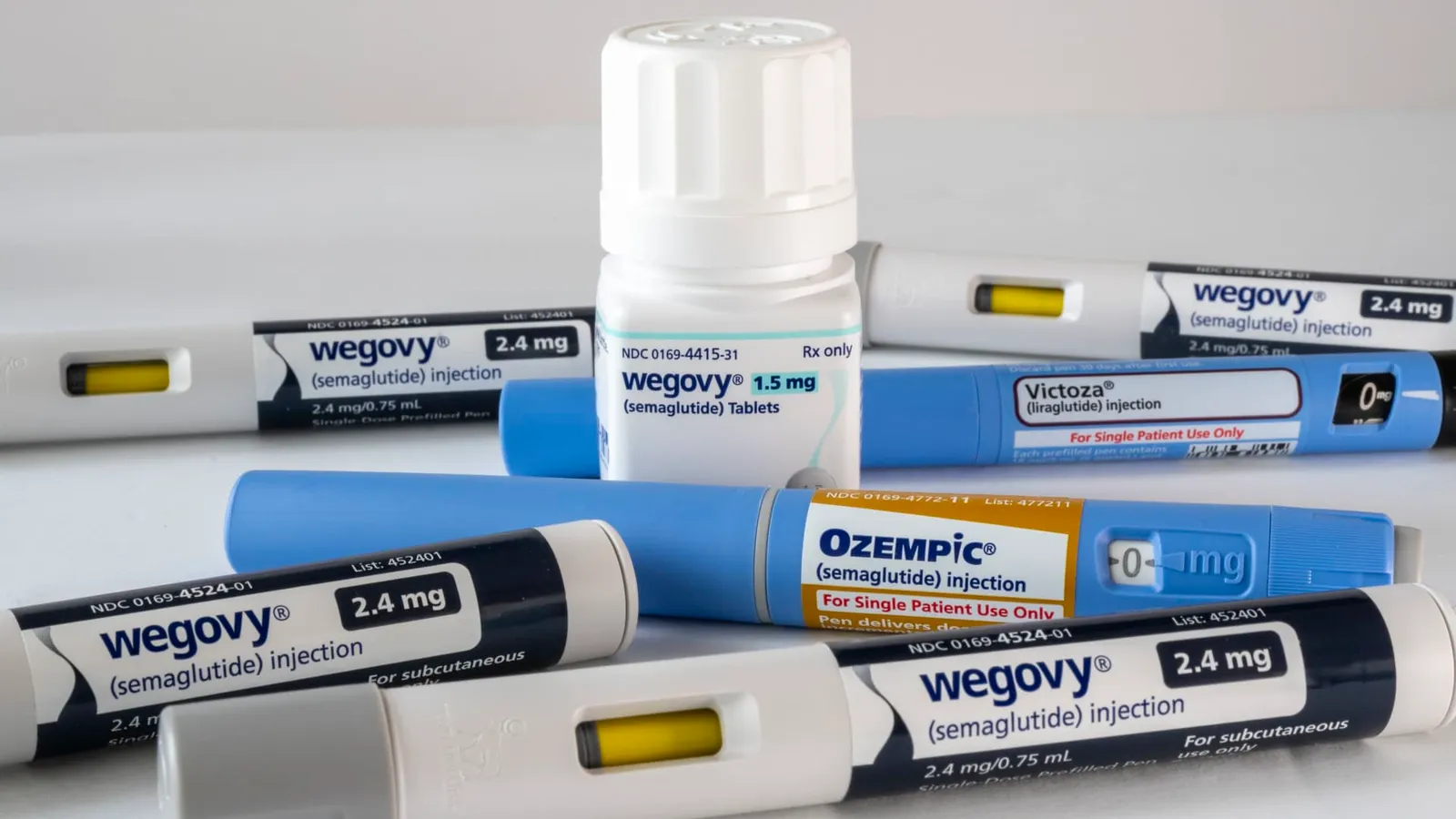
Vivani Medical is developing an implant that uses semaglutide, the active ingredient in Novo Nordisk's Wegovy and Ozempic. For decision-makers, the approach signals a new competitive front in obesity and diabetes GLP-1 drug delivery, with potential implications for adherence, cost, and market dynamics.
Vivani Medical is developing an implant that delivers semaglutide, the active ingredient in Novo Nordisk's obesity injection Wegovy and diabetes counterpart Ozempic. That is the core bet: take the most important molecule in today’s GLP-1 weight-loss world and try to make it more “set-and-forget” than a weekly shot.
The practical difference matters for patients and for the companies that monetize outcomes. Wegovy and Ozempic already established that semaglutide can meaningfully support weight loss and diabetes control, but the therapy still typically depends on ongoing dosing behavior. A sustained implant is designed to reduce the friction of repeated injections, which is often where real-world persistence and adherence break down. If Vivani can deliver semaglutide through an implanted device on a longer cadence, the product could address a problem drugmakers usually have to fight after approval: making sure people actually stay on treatment long enough to see and maintain results.
From an investor and board perspective, this is more than a medical tweak. It is a shift in where competitive advantage can live. In blockbuster GLP-1 markets, the molecule attracts attention, but the commercial reality is often determined by execution: dosing convenience, patient willingness to continue, and the operational burden of chronic treatment. A device-based approach tries to convert a drug that people take into a therapy that people wear, potentially stabilizing demand and reducing the churn that comes with missed doses.
There is also a subtle strategic reason this matters now. The GLP-1 obesity category has moved from niche to mainstream, and with that comes a bigger, messier ecosystem. More patients mean more variation in behavior, more payor scrutiny, and more pressure on manufacturers to prove durable outcomes, not just short-term weight loss. Any path that improves persistence may become valuable because payors and providers tend to care about who sticks with therapy, who maintains results, and who avoids costly clinical complications. Even if the implant ultimately delivers semaglutide similarly in effect, how it changes real-world usage can change how payors and clinicians judge the overall value.
Regulatory framing is another battleground for teams like Vivani. Semaglutide is already a known active ingredient because it is used in established products from Novo Nordisk, namely Wegovy for obesity and Ozempic for diabetes. But moving from an injection to an implant is not “just the same drug.” Regulators and clinicians will need to evaluate the implant as a device-drug combination, including delivery reliability, safety over time, and the risk profile of implantation compared to an injection schedule. For a company betting on this path, that means the development strategy is likely to center on demonstrating consistent therapeutic delivery and manageable safety, because those are the things that determine whether adoption can scale beyond early clinical settings.
The second-order implication for executives is that the competitive field may broaden from purely pharmaceutical production into platform competition. When the differentiator becomes delivery method, more companies can compete without needing to invent an entirely new GLP-1 molecule. That can compress timelines to product relevance and increase the importance of partnering, manufacturing readiness, and post-launch support. If Vivani’s implant proves feasible, it could raise expectations across the market for longer duration delivery options, pushing both incumbents and challengers to think beyond the weekly injection cadence that defined early GLP-1 adoption.
There is also an operational angle for buyers, including health systems and payors. Chronic obesity and diabetes care is resource intensive, and when patients require ongoing injections, clinics and pharmacists manage repeated renewals, patient counseling, and follow-ups. A sustained implant could shift that workflow, potentially reducing some repeat logistics while introducing others, like device-related monitoring. For decision-makers, the question becomes: what is the cost of better persistence, and who bears it? The answer can determine contracting approaches, reimbursement structures, and how quickly organizations are willing to implement a new modality.
Bottom line: Vivani Medical is taking semaglutide, the active ingredient behind Novo Nordisk's Wegovy and Ozempic, and putting it into an implant. If this approach can maintain the therapeutic promise while improving continuity of use, it could meaningfully change the commercial mechanics of GLP-1 obesity care. For executives tracking the category, this is a reminder that the next wave of advantage may come from delivery. And in a market where adherence can make or break real outcomes, convenience is not a nice-to-have. It is a lever that can move revenue, risk, and adoption all at once.
This story's Key Insights and Take-aways are locked.
Create a free account to unlock Executive Actions for one credit.
Register to UnlockAlways free for Executives Club members. Join the Club
More in Business
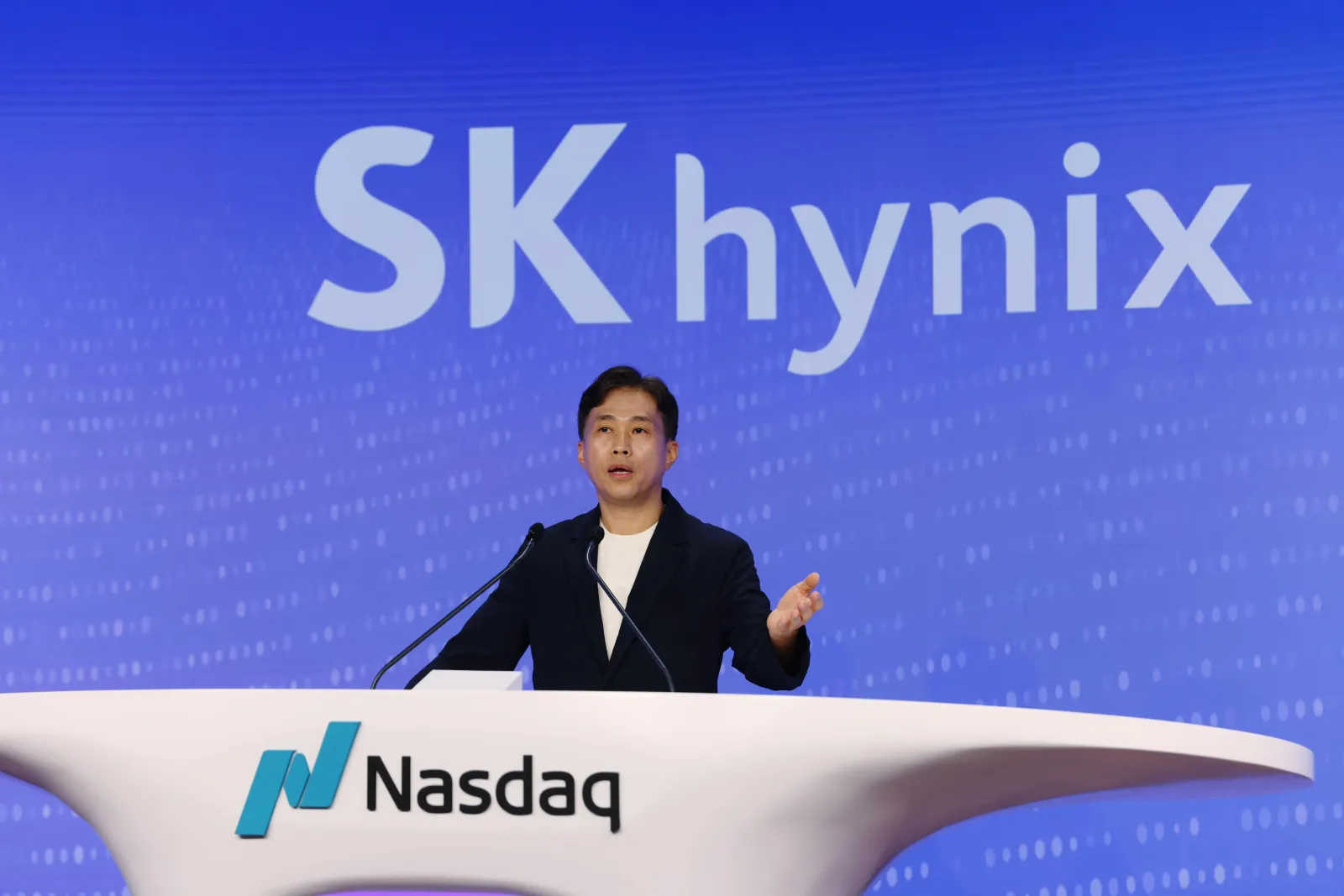
SK Hynix opens at $170, raises $26.5B, and tops foreign IPO records
In Friday's Wall Street debut, SK Hynix turns AI RAM demand into a $26.5B fundraising moment that rewrites comps.

China lands a reusable Long March booster, a first that matches SpaceX and Blue Origin
A barge landing and net-based recovery move China from theory to proof, reshaping the reusability race and satellite ambitions.

AstraZeneca $27B wipeout as Wainua late trial misses cardiovascular target
A failed late-stage heart study triggered a swift market punishment, forcing investors and boards to reset timelines and risk.