

Volkswagen China deliveries plunge 26.1% in H1 2026 to 16-year low
971,000 units shipped Jan-June 2026 signals EV momentum is still pulling demand from petrol across China.
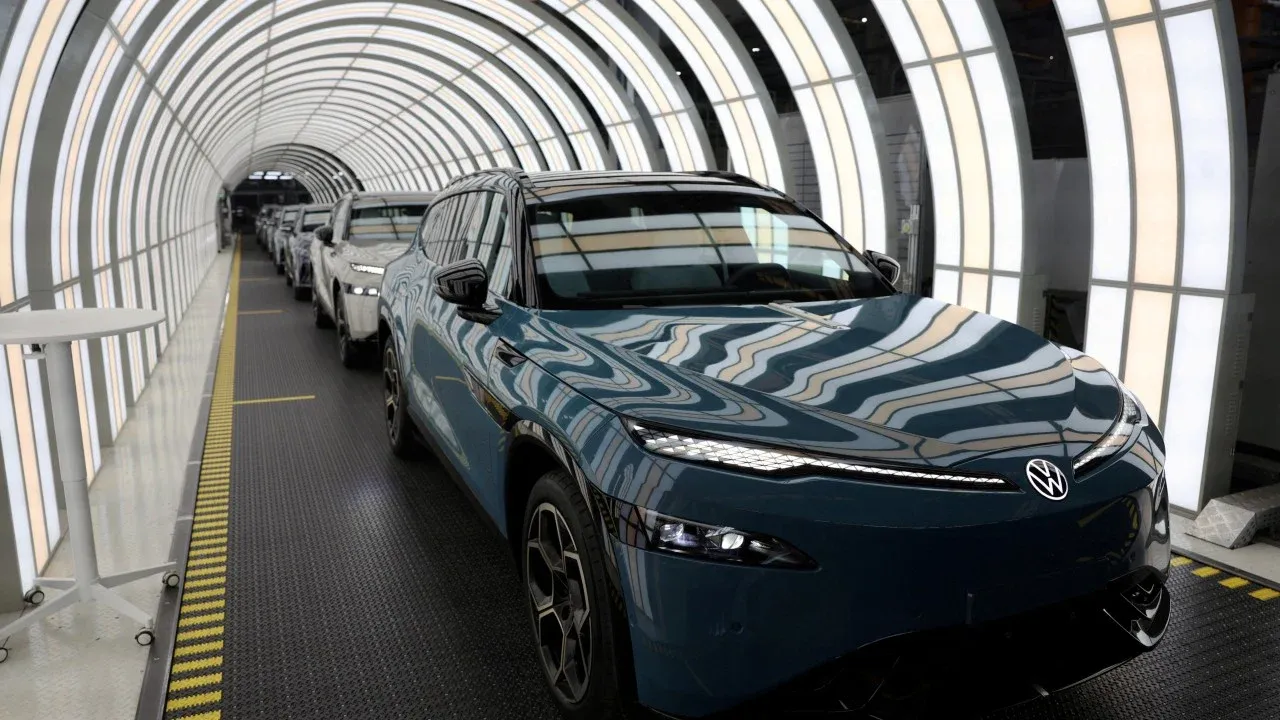
Volkswagen Group said its China deliveries fell 26.1% year on year to 971,000 units in the first half of 2026, the lowest level since the first half of 2010. The decline matters for decision-makers because it shows how quickly EV share gains and a slowing market can pressure legacy automaker volume.
Volkswagen Group’s China deliveries collapsed 26.1% year on year in the first half of 2026, landing at 971,000 units. That is the lowest level in 16 years, Volkswagen said, covering the period from January to June.
The immediate takeaway is blunt: the company is not just losing incremental sales, it is hitting a long-term floor. Volkswagen attributed the slump to local electric vehicle (EV) brands taking more buyer attention away from petrol cars, and to a broader slowing market. Put together, it is a double squeeze on a business built on scale and predictable demand.
To understand why a “deliveries” headline should worry boards and CFOs, zoom out to how China auto volume typically behaves. When the market cools and a faster-moving segment (EVs) keeps pulling demand forward, legacy brands often see both sides of the P&L get stressed. Volume drops pressure factory utilization and fixed costs per car. At the same time, shifting mix can complicate pricing, incentives, and regional channel dynamics, especially if competitors are moving faster on product cadence.
Volkswagen is delivering through three ventures with Chinese partners, which is important context. It means the 971,000-unit number reflects not only Volkswagen’s own brand pull, but also how effectively its joint ventures compete in a market where consumer choices are moving toward EVs. When local EV brands siphon interest from petrol, the effect is usually not linear. Early on, buyers can “test” EVs while keeping a petrol option in their lives. Over time, as more models, charging options, and brand credibility stack up, the test becomes a replacement. Volkswagen’s 26.1% drop suggests the replacement phase is already underway.
Volkswagen also framed this as a market-level issue, not a one-off execution problem. It pointed to EV brands further siphoning off buyers’ interest in petrol cars, amid a slowing market. In other words, the company is describing a demand environment where consumers have less appetite overall and a clear alternative that can capture whatever interest remains. For executives, this is the scenario that tends to drive more than revenue pressure. It often pushes companies to accelerate cost actions, renegotiate terms with suppliers, and rethink how quickly they can shift resources from internal combustion to electrified platforms.
There is another board-level implication hiding in plain sight: timing. First-half results are a snapshot, but in autos, H1 performance can shape expectations for the rest of the year. If the lowest level in 16 years is reached by June, leaders have less room to argue that the second half will automatically “normalize.” They also face higher pressure on forecasting credibility. Markets tend to reward companies that correctly identify demand inflection points and act early, and punish those that misread the pace of substitution.
For peers, Volkswagen’s situation is a reminder that China is still a high-velocity battleground, especially for petrol. Local EV brands do not just compete on specs. They compete on distribution strength, local ecosystem understanding, and the ability to iterate quickly. When that combination shows up as a 26.1% year-on-year deliveries decline, the message for other global automakers is straightforward: winning in China is not only about launching EVs. It is about maintaining momentum as consumer attention shifts, and doing it while the overall market cools.
And for decision-makers inside legacy automakers, the strategic stake is simple. If your volume is sliding toward multi-year lows while EV competitors keep pulling share, every planning cycle becomes tighter. The question is not whether the EV transition is happening. Volkswagen’s 971,000 deliveries in Jan-June 2026 and the lowest level since the first half of 2010 say the transition is already showing up in the numbers that drive budgets, manufacturing plans, and investor confidence.
This story's Key Insights and Take-aways are locked.
Create a free account to unlock Executive Actions for one credit.
Register to UnlockAlways free for Executives Club members. Join the Club
More in Business
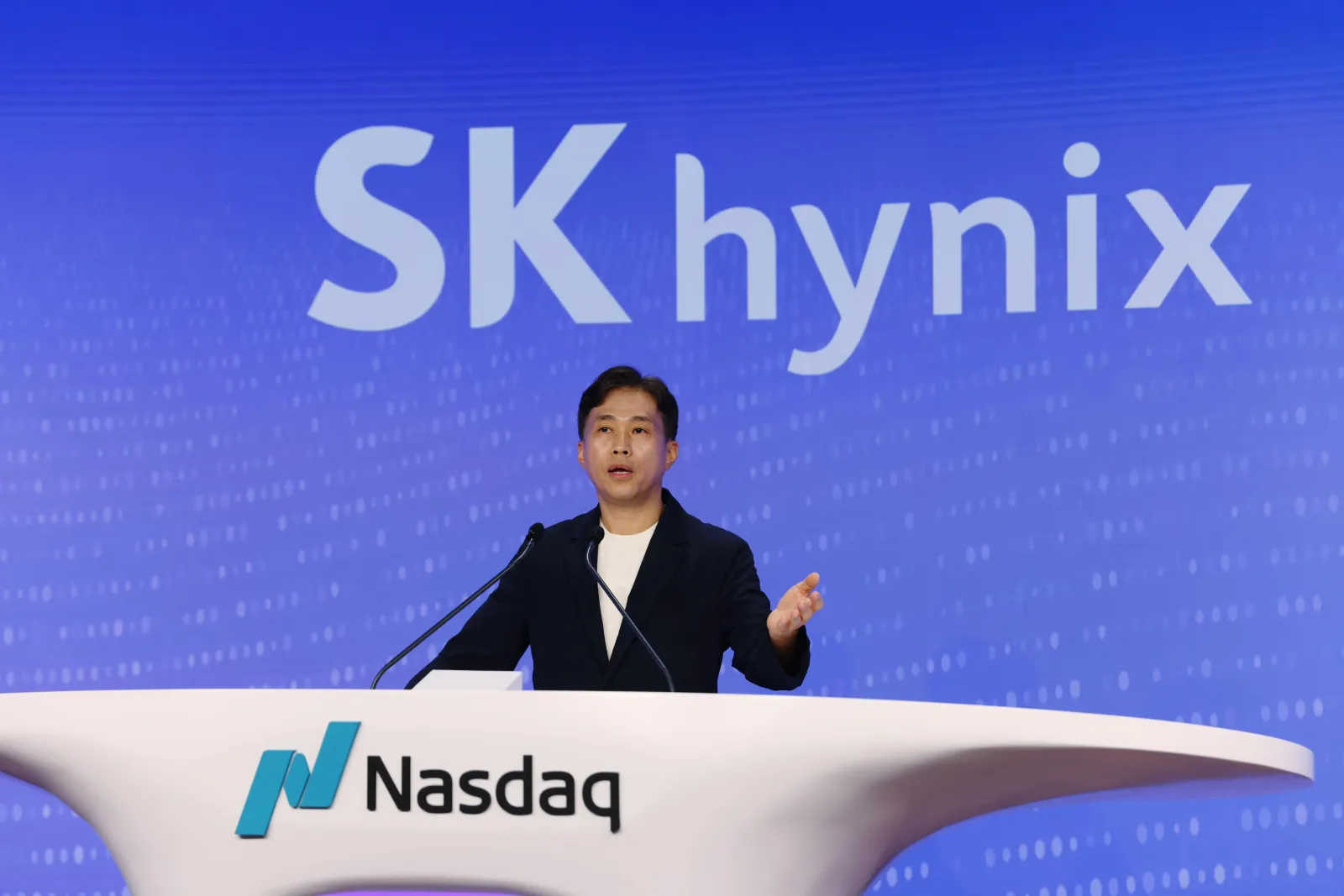
SK Hynix opens at $170, raises $26.5B, and tops foreign IPO records
In Friday's Wall Street debut, SK Hynix turns AI RAM demand into a $26.5B fundraising moment that rewrites comps.
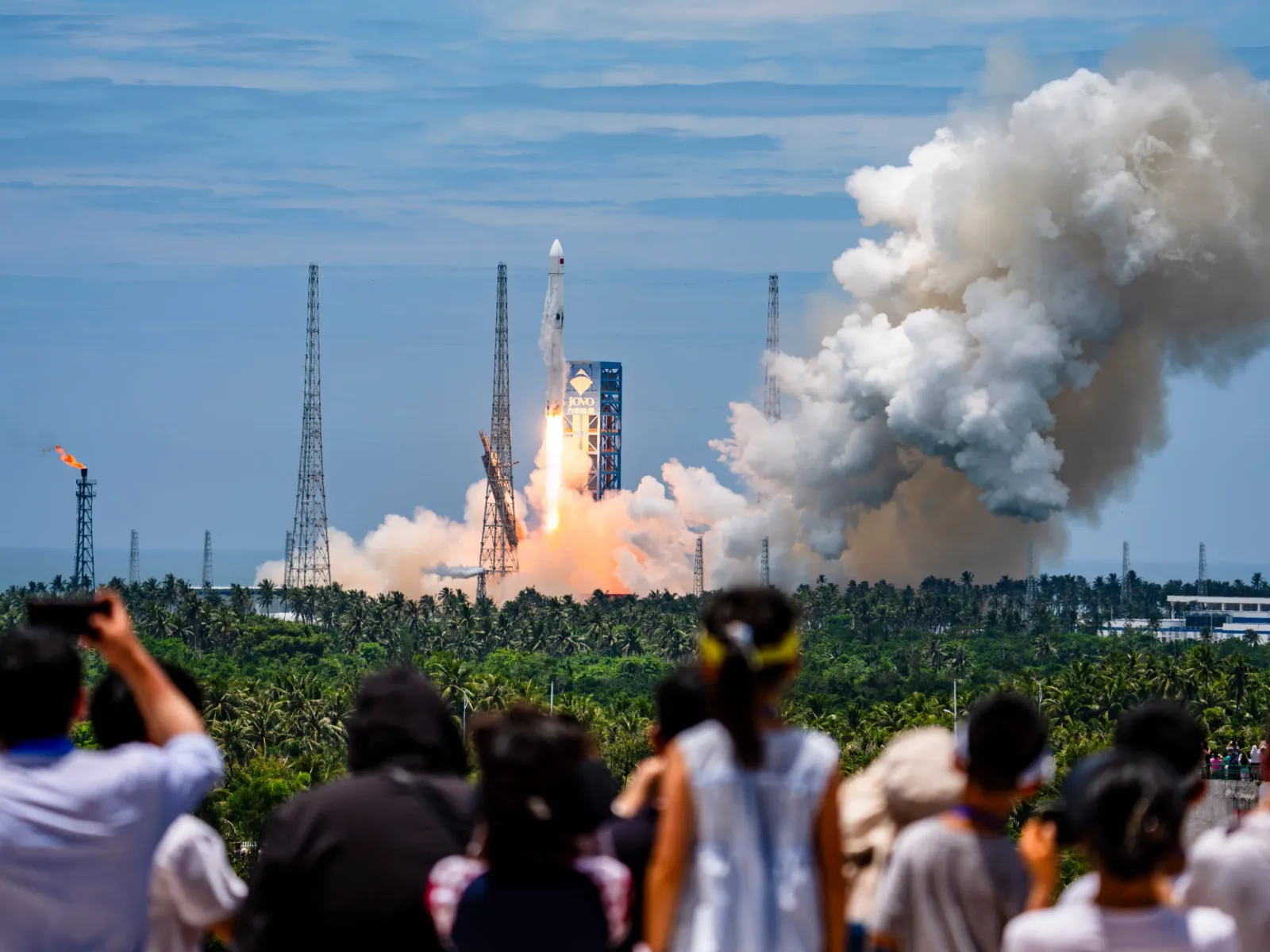
China lands a reusable Long March booster, a first that matches SpaceX and Blue Origin
A barge landing and net-based recovery move China from theory to proof, reshaping the reusability race and satellite ambitions.

AstraZeneca $27B wipeout as Wainua late trial misses cardiovascular target
A failed late-stage heart study triggered a swift market punishment, forcing investors and boards to reset timelines and risk.