

VW CEO Oliver Blume warns 50,000 more job cuts, total 100,000
A blocked restructuring plan and a 20% cost disadvantage put fresh pressure on decision-makers to act.

Oliver Blume, Volkswagen's CEO, warned that the company faces 50,000 more job cuts, bringing total planned reductions to 100,000. The warning comes after labor representatives blocked a restructuring plan at the supervisory board.
Volkswagen's CEO, Oliver Blume, is warning of 50,000 more job cuts, raising the total to 100,000. The message is blunt: the company is battling a 20% cost disadvantage versus rivals, and the path to fixing it is colliding with labor power at the supervisory board.
In other words, this is not just another round of “efficiency” talk. Blume is effectively telling stakeholders that time and options are running out, and that Volkswagen will still pursue major labor reductions even though a restructuring plan got blocked at the supervisory board level. For decision-makers watching from other industrial groups, this matters because it shows how restructuring in Europe can stall politically while the underlying economics keep worsening.
To understand why the supervisory board can behave like a brake, you need to know how VW governance typically works. In many large German companies, the supervisory board is not a rubber stamp. It is designed to balance management and labor representation, which means restructuring proposals often face resistance when they imply layoffs, plant changes, or shifts in working conditions. In this case, labor representatives blocked Volkswagen's restructuring plan at the supervisory board, forcing the company to look toward alternative measures.
Blume's warning also anchors the story in cost reality, not just labor politics. Quartz reports Blume cited a 20% cost disadvantage versus rivals. That figure is the key because it frames the cuts as a response to competitive pressure, not a discretionary business choice. If your unit economics are materially worse than peers, every quarter you delay can widen the gap, and capital markets tend to punish that. The job cuts can then be seen as the hard lever a company pulls when softer levers, like negotiation or phased restructuring, are constrained.
This is where the second-order implications start to sting for executives and boards. When supervisory board dynamics block a plan, management often has to recalibrate the strategy to keep the company from falling further behind. That can create a “plan mismatch,” where the economic diagnosis stays the same, but the execution method changes. The result is frequently more painful than the original proposal because labor fights can compress timelines, increase uncertainty, and force leadership to rely on measures like layoffs to close the gap.
There is also a signaling effect beyond Volkswagen. Major industrial employers in Europe operate under similar labor and governance expectations, even if the details differ by company. When a CEO publicly warns of incremental job cuts and ties the rationale to a sizable cost disadvantage, it can trigger copycat planning among competitors and suppliers. Boards in peer companies may start asking whether their own cost position is vulnerable, whether restructuring proposals will survive internal checks, and what happens if the first plan gets blocked.
For peers, investors, and anyone sitting in governance, the strategic stake is straightforward. This episode highlights how competitive economics and internal decision architecture can collide. If management cannot execute a restructuring plan through the supervisory board, it still faces the underlying cost problem, which can lead to bigger actions later. Volkswagen's warning of 50,000 more job cuts, to reach 100,000 total, is therefore a stress test for the entire European industrial model: the question is not whether costs need fixing, but how quickly and at what human and operational cost decisions can be made.
This story's Key Insights and Take-aways are locked.
Create a free account to unlock Executive Actions for one credit.
Register to UnlockAlways free for Executives Club members. Join the Club
More in Business
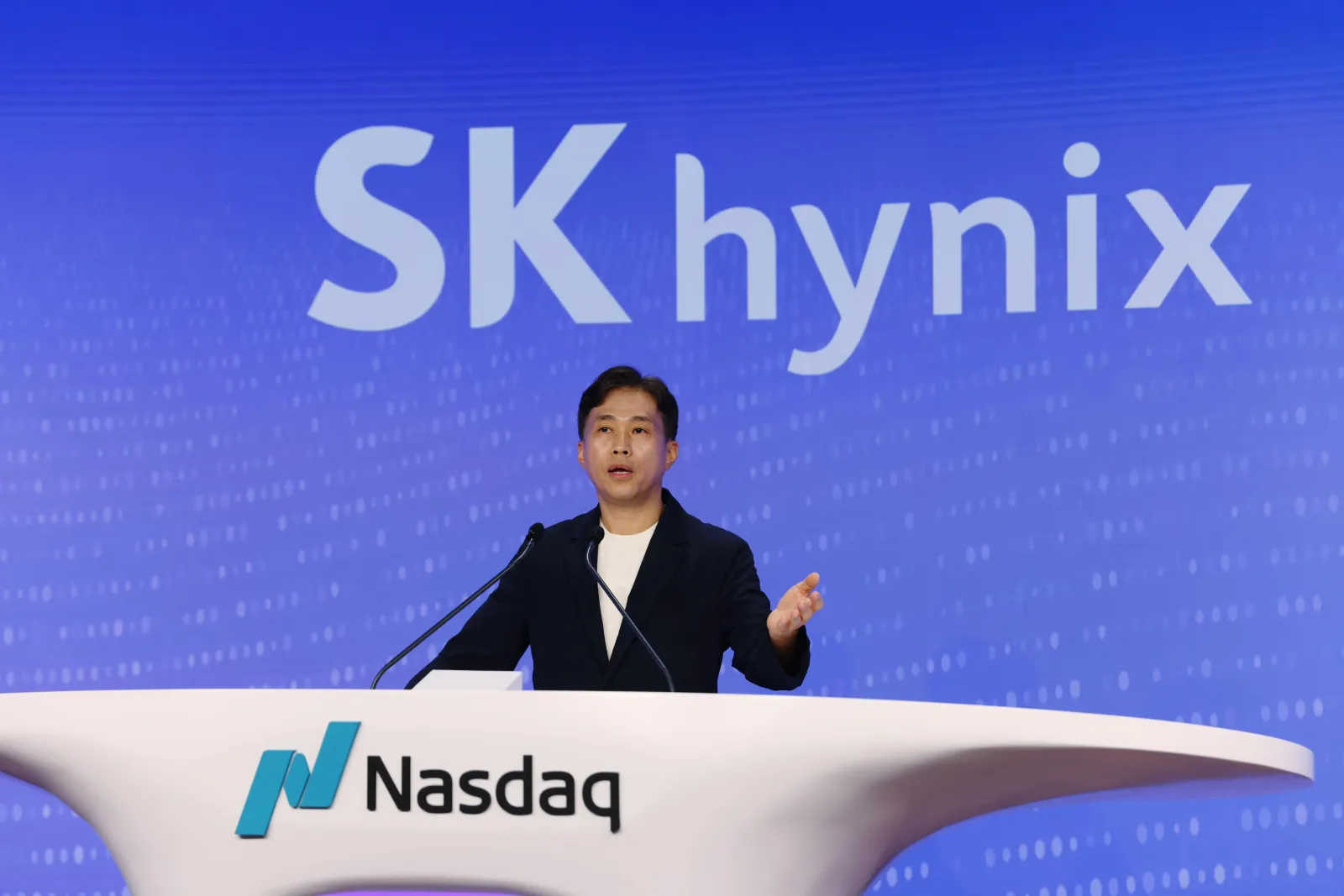
SK Hynix opens at $170, raises $26.5B, and tops foreign IPO records
In Friday's Wall Street debut, SK Hynix turns AI RAM demand into a $26.5B fundraising moment that rewrites comps.

China lands a reusable Long March booster, a first that matches SpaceX and Blue Origin
A barge landing and net-based recovery move China from theory to proof, reshaping the reusability race and satellite ambitions.
AstraZeneca $27B wipeout as Wainua late trial misses cardiovascular target
A failed late-stage heart study triggered a swift market punishment, forcing investors and boards to reset timelines and risk.