

VW chief Oliver Blume confirms 50,000 job cuts after board rejects Germany plant closures
The supervisory board said no to shutting four factories, but CEO Oliver Blume still moves ahead with cuts and restructuring.
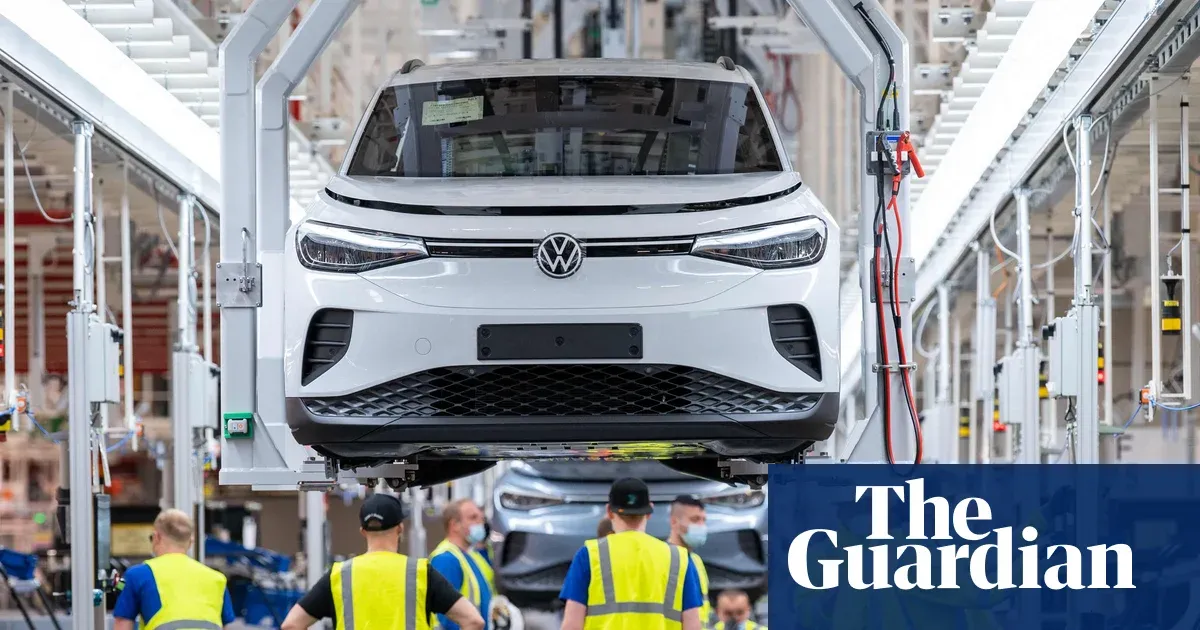
Volkswagen CEO Oliver Blume confirmed plans to cut 50,000 more jobs, telling staff on Monday that the restructuring includes “controversial decisions.” The company’s supervisory board rejected his proposal to shut four factories in Germany, setting up a direct clash between leadership priorities and board limits.
Oliver Blume is moving forward with plans to cut 50,000 more jobs even after Volkswagen's supervisory board rejected his plan to shut four factories in Germany. The CEO confirmed the job cuts to staff on Monday, framing the restructuring as a sweeping overhaul the board would not fully endorse.
Blume told employees the restructuring proposal is “the most comprehensive realignment in the company’s history,” and he described it as built around “12 initiatives, approximately 150 pages and 45 individual resolutions” for change. In other words, this is not a vague promise to “restructure.” It is a tightly packaged plan, and it is reaching staff attention immediately, not after months of internal debate.
Why does this matter beyond the obvious headlines? Because the board's rejection signals a governance constraint, not a governance dead end. When a supervisory board blocks a plant closure proposal, it can be interpreted as an insistence on preserving capacity, limiting regional fallout, or sticking to an operational view that closures are too blunt a tool. But Blume's continued push on workforce reductions suggests leadership still sees costs as the central lever that has to be pulled, regardless of which sites are kept open.
In European auto, these decisions rarely boil down to one spreadsheet line. Germany is a highly regulated, union-heavy environment, and factory closures are not just operational moves. They can trigger political backlash, labor negotiations, and long-running legal and reputational fights. Supervisory boards in Germany also exist to reflect broader oversight interests, so a rejection of plant shutdowns is usually not ceremonial. It implies the board believed the closure plan crossed a threshold of acceptability.
Yet the job cuts remaining in play shows the company is still trying to find a path to structural cost reduction that satisfies both operational reality and the limits the board set. Workforce reductions can be implemented through restructuring, attrition, early retirement, or redeployment, depending on the plan details. The source does not specify the mechanics, but the scale, 50,000 more jobs, indicates the impact is intended to be large and financially meaningful, even if the board prevented closures at four Germany factories.
Blume characterized the restructuring as involving “controversial decisions,” and that wording is doing real work. It acknowledges resistance internally, likely both from workers and from the supervisory board side that rejected the plant closure element. If the CEO can still claim broad support while acknowledging controversy, it suggests he believes momentum for the overall realignment still exists, even when specific tools are blocked.
The structure he outlined, 12 initiatives across about 150 pages with 45 individual resolutions, also hints at how leadership may be trying to thread the needle. Rather than treating the restructuring as one monolithic ask, it breaks change into multiple resolutions. That matters because boards can reject a single proposal while allowing other measures to proceed, and staff can see implementation plans that are clearer than a single headline number.
For executives in the auto sector and for investors watching industrial turnarounds, the second-order signal is governance friction. This is what happens when management's restructuring instincts collide with board oversight on operational levers. The company can still pursue layoffs at significant scale if the board blocks closures but does not block the broader cost realignment. That means peers should not assume that a board “no” on plants automatically stops the transformation. It may simply redirect it into other, politically and operationally different forms.
Ultimately, Volkswagen's situation is a stress test for decision-making speed and credibility. Blume is trying to land a historic internal reset while living with a supervisory board that has already said no to a major, high-visibility lever, four factory closures in Germany. The strategic stakes are clear: if the restructuring stalls or loses legitimacy internally, the cost problem that necessitated it will not disappear. If it proceeds successfully despite the rejection, it becomes a playbook for how to negotiate between CEO urgency and board guardrails in a sector where labor, regulation, and plant footprint are never optional.
This story's Key Insights and Take-aways are locked.
Create a free account to unlock Executive Actions for one credit.
Register to UnlockAlways free for Executives Club members. Join the Club
More in Business
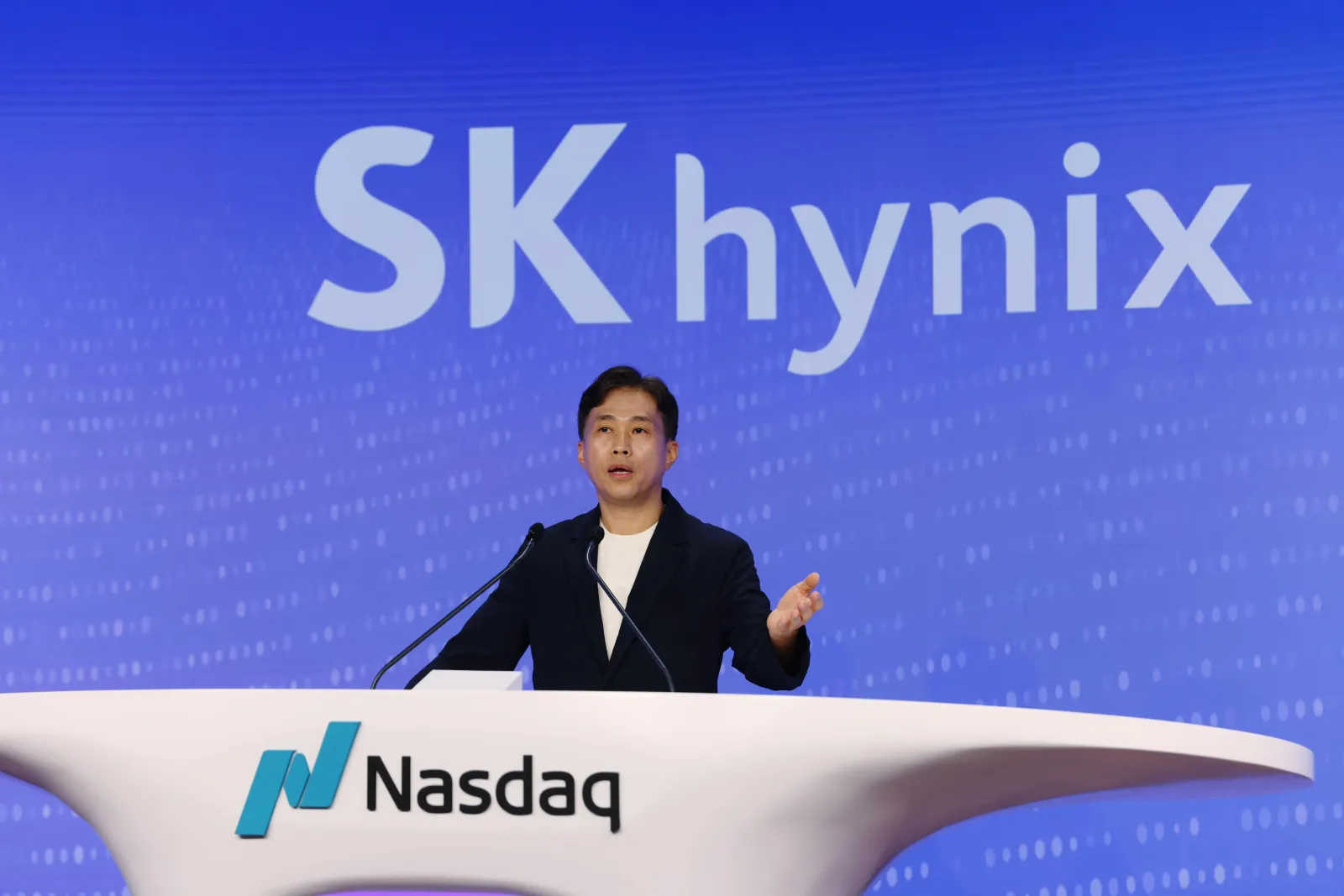
SK Hynix opens at $170, raises $26.5B, and tops foreign IPO records
In Friday's Wall Street debut, SK Hynix turns AI RAM demand into a $26.5B fundraising moment that rewrites comps.

China lands a reusable Long March booster, a first that matches SpaceX and Blue Origin
A barge landing and net-based recovery move China from theory to proof, reshaping the reusability race and satellite ambitions.

AstraZeneca $27B wipeout as Wainua late trial misses cardiovascular target
A failed late-stage heart study triggered a swift market punishment, forcing investors and boards to reset timelines and risk.