

Wall Street panics over Trump’s Iran options, says no “good” exit exists
Fortune’s market briefing: investors fear a stuck U.S. position in the Gulf will keep volatility high.
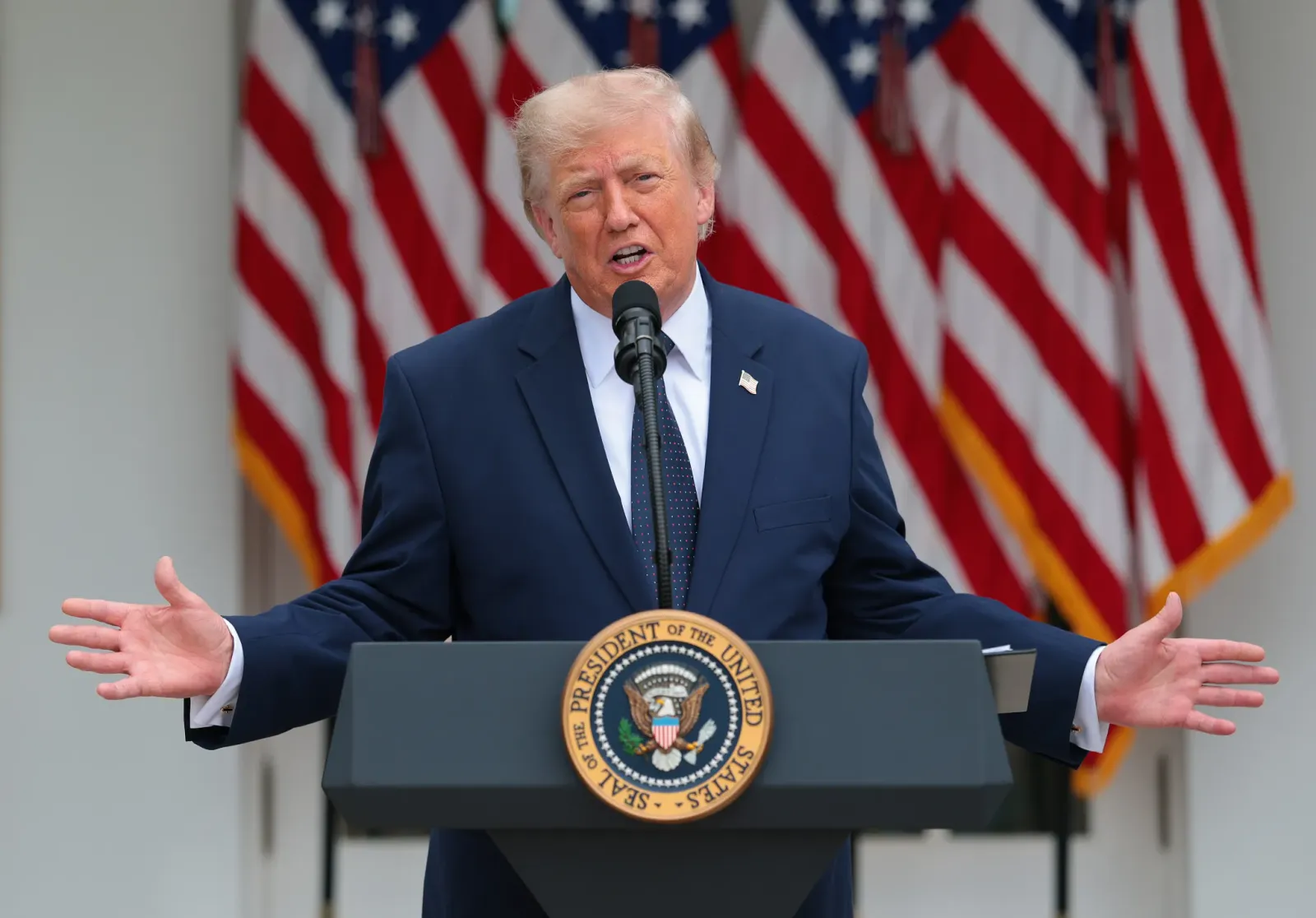
Fortune reports Wall Street is worried President Trump has no good options for ending the war with Iran. The concern matters because markets tend to treat policy dead-ends in the Gulf as volatility fuel.
Good morning. On Fortune's radar today: Wall Street is worried President Trump has no good options for ending the war with Iran. The reason this lands on investors' desks is simple and brutal. In the Gulf, even a “small” policy misstep can trigger outsized market reactions because supply chains, shipping risk, and energy expectations all get marked to a worst-case scenario fast.
So the core anxiety is not just about geopolitics. It is about constrained decision-making. If the U.S. president is perceived as having “no way out” that looks clean to markets, investors price in escalation risk and fiscal or operational spillovers. That is the backdrop for today’s bigger theme in Fortune’s briefing: No news is good news, at least for now. Markets are trained to wait for clarity, and when clarity is missing, uncertainty becomes its own trade.
Now zoom out. Why does Wall Street care so much about the shape of a presidential exit strategy? Because markets do not just forecast outcomes. They forecast the path to outcomes. When a leader’s policy menu looks narrow, it can increase the odds of second-order effects: sudden moves, reactive diplomacy, or policy brinkmanship that does not have time to “de-risk” in advance.
This is where today’s other items in the Fortune briefing quietly connect. The briefing includes a line on an analyst saying wars are good for stocks. That sounds counterintuitive, but it fits the market logic of sectors that benefit from higher defense and supply stability spending. The flip side is that conflict risk also raises the cost of capital for everyone else, especially when energy prices and shipping insurance expectations get jumpy. If Wall Street is worried about no good options in the Gulf, it is essentially worried about mixed signals: some parts of the market may like activity, while broader risk pricing still rises.
There is also a regulatory and information angle that matters for executive decision-making. Markets are ecosystems built on expectations and interpretation. When the information environment is messy, the same headline can land differently across asset classes. That is why “no news is good news” becomes a coping mechanism. If policymakers and companies are not delivering credible signals, traders and long-term investors alike lean on the absence of worse news, not the presence of good news. In other words, silence becomes a temporary asset.
And while the Iran story is the geopolitical headline, Fortune’s broader list shows how quickly other drivers can stack onto risk sentiment. The briefing notes that users pick AI models on price, not performance, according to Amazon CTO. That highlights a competitive pressure point that affects margins and spend decisions across the tech sector. If large customers are optimizing for cost, that affects the funding climate for AI tooling, infra, and experimentation. In uncertain macro periods, buyers often tighten their performance requirements until pricing improves.
Meanwhile, the briefing says Reddit is taking ad dollars from LinkedIn, Pinterest, Snap, and X. For executives running media and ad businesses, that is not just a platform trend. It is a shift in budget allocation. Ad budgets are among the first lines cut or reallocated when risk sentiment changes, and advertisers move toward where engagement looks cheaper or more measurable. If the Gulf story adds macro risk, marketing teams may also become more performance-driven. That can accelerate winners and squeeze losers.
Fortune also flags that Harry Styles is to blame for rising interest rates in Europe. Even without unpacking the mechanism in detail here, the point is that markets are sensitive to unexpected catalysts, including cultural or demand-driven ones that can ripple into inflation expectations or rate paths. In a risk-off environment, these kinds of surprises can compound uncertainty. Add a perceived lack of good Iran options, and you have a cocktail of geopolitical anxiety plus macro whiplash.
So what should a decision-maker do with all of this? Treat it as a volatility briefing, not a single-story update. If Wall Street believes the U.S. has no “good” exit in the Gulf, executives should assume higher sensitivity to headlines, faster repricing of risk, and tighter leadership bandwidth for scenario planning. The strategic stakes for boards and investors are straightforward: you want to know whether your cost of capital, revenue assumptions, and operational hedges should be stress-tested against a world where clarity is delayed and the consequences of ambiguity are expensive.
This story's Key Insights and Take-aways are locked.
Create a free account to unlock Executive Actions for one credit.
Register to UnlockAlways free for Executives Club members. Join the Club
More in Politics
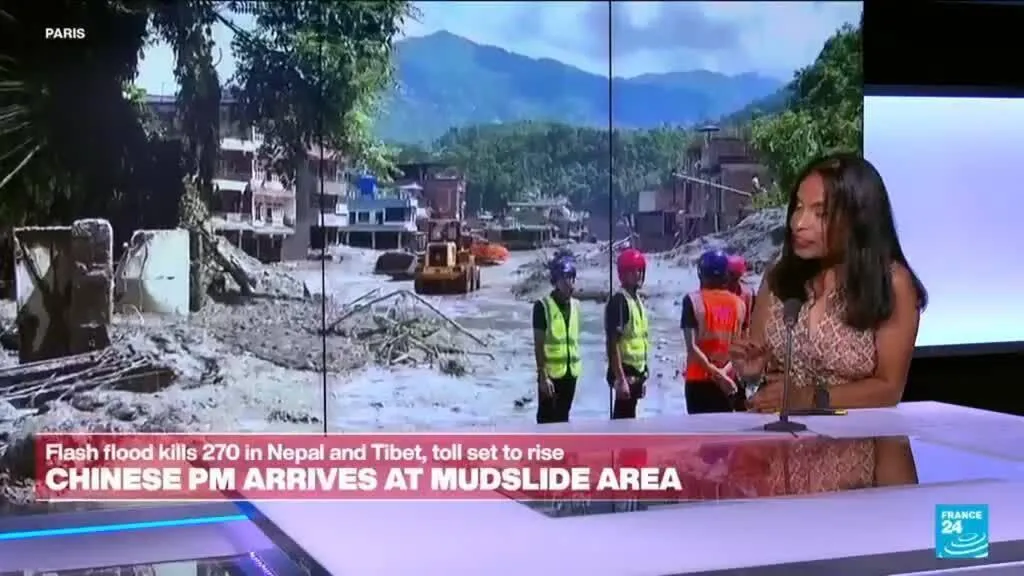
Glacial collapse, not rain, killed 180 in Nepal's Himalayan flood
The Himalaya's extreme geography hid the true cause of Nepal's catastrophic flood, a glacial collapse that turned a geological battleground into a mass-casualty zone.
Iran’s Esmail Baghaei says Oman talks start shipping via Hormuz, not US talks yet
Temporary route plans with Oman aim to restart commerce while Tehran says Washington dialogue is not on the table.
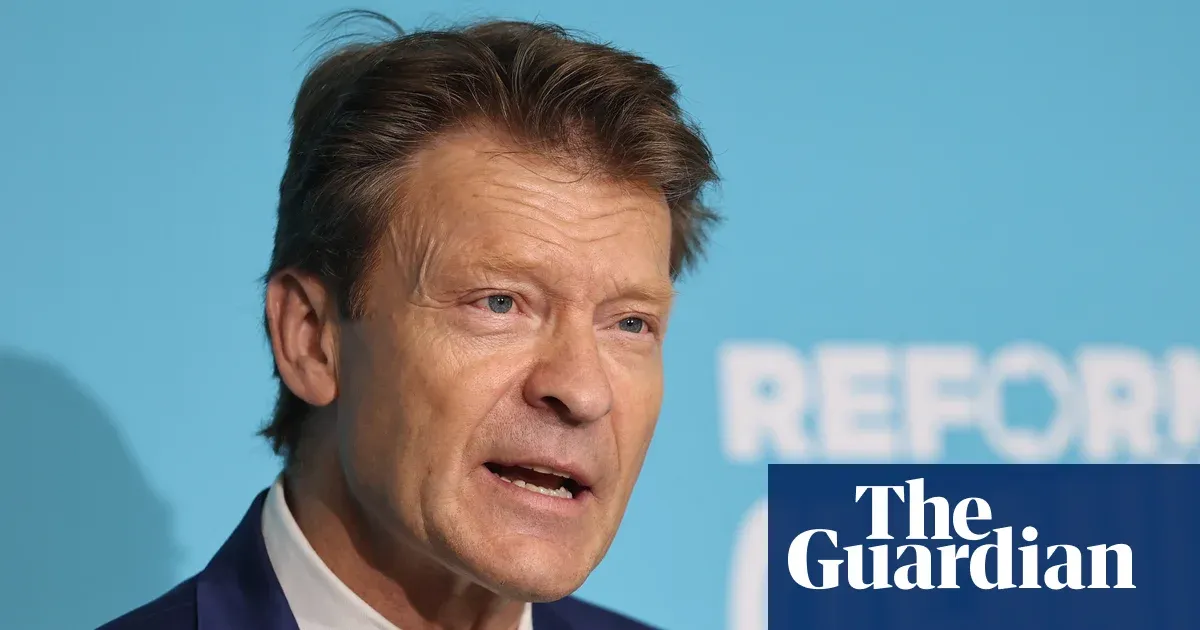
Standards watchdog opens probe into Reform UK deputy leader Richard Tice over interests
The parliamentary standards commissioner says it began an investigation on 28 July into a possible undeclared interest.