
Warming could shrink West and Central Africa malaria, but may move it elsewhere
New research suggests heat could break mosquito survival in some regions while shifting malaria risk to new ones.
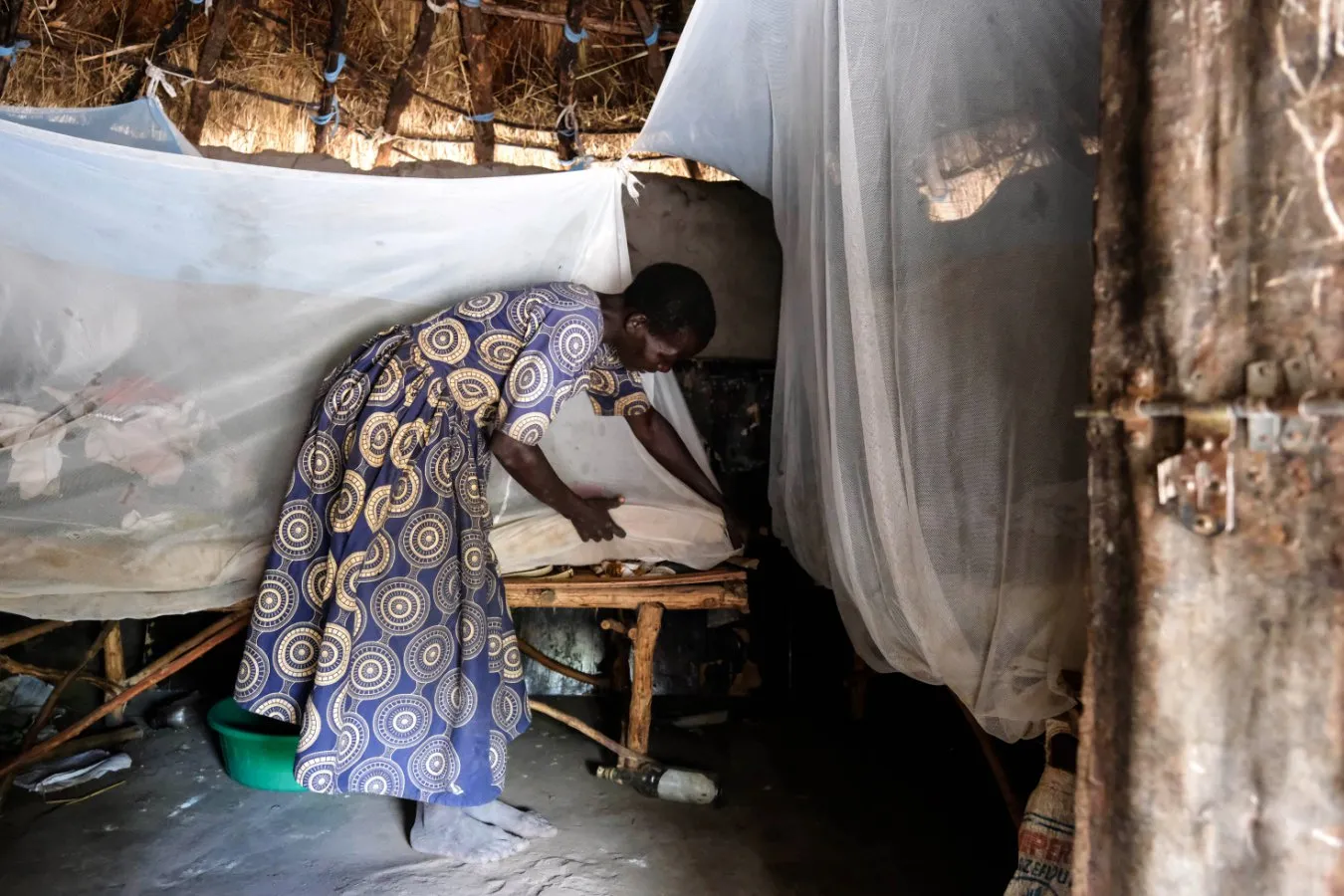
Climate change may make parts of West and Central Africa too hot for malaria-carrying mosquitoes to survive, according to New Scientist. For decision-makers, it raises a planning problem: elimination could look like progress in one place while the burden relocates.
Global warming may make it too hot for malaria-carrying mosquitoes to survive in parts of Africa, but could also shift the problem to less affected areas. That is the headline-level twist buried inside a single sentence from New Scientist, and it matters because malaria control is not a “set it and forget it” business. It is logistics, budgets, workforce planning, drug procurement, and long-term public health infrastructure. If the geography of risk changes, the operational map has to change too.
For leaders tracking climate risk, health risk, and development funding, the immediate takeaway is that the climate-mosquito relationship is not a simple on-off switch. Heat can directly influence mosquito survival. In places where conditions become hostile, transmission can drop. But the same environmental shift can also push malaria into regions that were previously less affected, where mosquitoes and parasites may still find room to operate. In other words, warming could reduce malaria in some areas while increasing it in others, which complicates what “progress” looks like.
This is why the nuance is strategic, not academic. Malaria elimination campaigns typically build around stable assumptions: predictable seasonal patterns, consistent incidence trends, and known hotspots. Those assumptions help governments, NGOs, and funders schedule interventions like bed nets distribution, indoor spraying, diagnostics, and treatment supply chains. When climate alters mosquito viability, the “hotspot” concept can blur. A region that looks like a win today can become a different kind of frontline tomorrow, and a region that has been spared can suddenly need capacity.
Now zoom out one layer to incentives and governance. Public health spending is often allocated based on current burden and established targets. If donors and regulators see malaria decline in West and Central Africa, funding models can become politically tempting to rebalance. But if risk shifts to less affected areas, those areas may not have the same institutional readiness. That mismatch is a classic second-order problem: the system moves money based on where harm has been, not where it is going. Boards and executive teams in health-adjacent organizations should treat this as a “watch the delta” scenario. Changes in incidence location can lag behind changes in underlying ecological conditions.
There is also a regulatory and compliance angle, even though the source is framed as a climate and public health observation. Malaria control is tied to programs that require reporting, procurement rules, and health system performance metrics. When malaria transmission shifts geographically, health authorities may need to revise monitoring plans and update operational guidelines. That can trigger procurement renegotiations, warehousing and logistics changes, and adjustments to workforce training. In practice, this is how a climate signal turns into administrative work. The operational cost does not vanish just because transmission may decrease somewhere.
Second-order implications extend beyond public health. Malaria risk affects labor productivity, school attendance, and household income. If the burden shifts rather than disappears, the economic impacts could relocate. That matters for development finance and for organizations underwriting supply chain stability across regions. A malaria decline in one geography does not automatically translate into global stability if the disease burden reappears in another. Risk models that assume a monotonic improvement with climate-driven mosquito stress may underestimate localized volatility.
Finally, there is the uncomfortable but important communications challenge. “Heat eliminates malaria” is an attractive narrative, and it can be dangerously incomplete. The New Scientist framing explicitly includes the possibility that the problem moves to less affected areas. For executives, that means messaging must stay honest: warming might reduce mosquito survival in some places, yet it can also create new opportunities for transmission elsewhere. That is not pessimism. It is planning. Your stakeholders need to know whether to build resilience where malaria declines or where it migrates.
Strategically, peers in public sector leadership, global health organizations, and climate risk roles should treat this as a scenario planning prompt. If environmental conditions make malaria transmission less feasible in West and Central Africa, the next question is where conditions become favorable. The second question is how quickly health systems can adapt. The third question is how funding and regulatory reporting should track the shift. The stakes are not only measured in cases, but also in the speed and effectiveness of the response when malaria risk relocates faster than programs can retool.
This story's Key Insights and Take-aways are locked.
Create a free account to unlock Executive Actions for one credit.
Register to UnlockAlways free for Executives Club members. Join the Club
More in Science

Alaska's 1,580-foot tsunami had warning signs. Scientists just found them.
Rapid glacier retreat, heavy rainfall, and thousands of tiny tremors preceded Alaska's 1,580-foot tsunami, a warning for every coastal community in a warming world.

The rare mutation that lets high-risk brains dodge Alzheimer's
Scientists found a natural defense against protein buildup, opening a new path to preventive treatments.

3,000 steps a day may halve Alzheimer's decline, study finds
New research links a modest daily walk to less tau buildup and nearly half the cognitive and functional decline, even for those with early signs.