
Warner Bros insiders on 500-person call: brand may not survive Paramount merger
As WBD and Paramount settle antitrust challenges, senior Warner Bros staffers question whether the iconic studio's identity can endure the combined company.
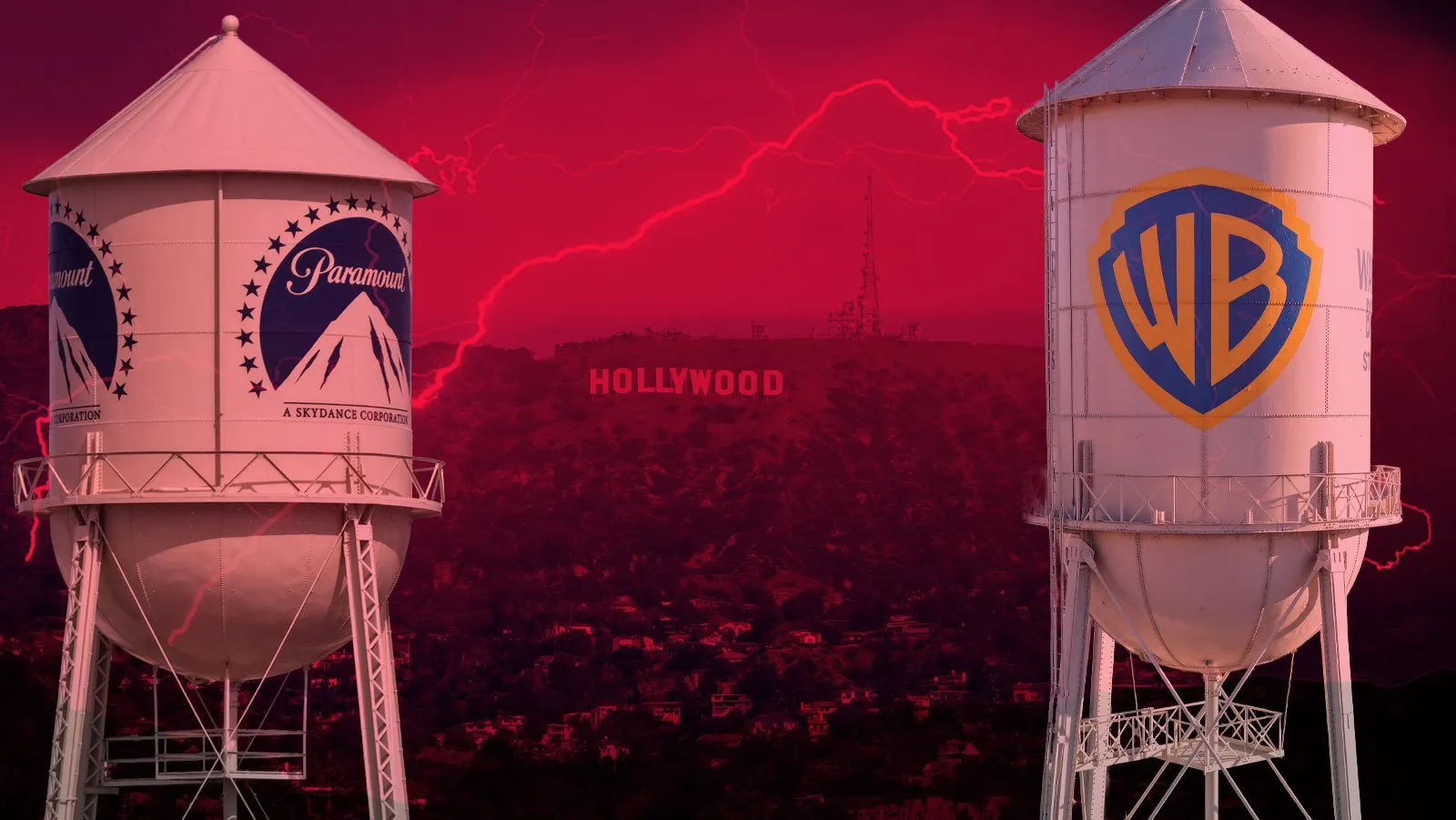
Warner Bros Discovery held a 500-person Zoom call with senior staffers to discuss Paramount's settlement of the antitrust lawsuit over their merger, but the mood remained grim. Insiders now openly wonder whether the Warner Bros brand will survive the integration, a question that carries major implications for talent, content strategy, and the broader streaming wars.
On Wednesday, 500 senior Warner Bros staffers dialed into a Zoom call to hear about Paramount's settlement of the antitrust lawsuit brought by state attorneys general over its merger with Warner Bros Discovery. The call was meant to clarify the path forward, but according to Deadline, it did little to lift the 'gloomy, Mordor-like clouds' over the Burbank lot. Insiders are now openly wondering whether the Warner Bros brand itself will survive the combined company - a fear that the settlement, far from dispelling, has only made more tangible.
The settlement removes a major legal hurdle for the merger, but it does nothing to resolve the deeper identity crisis. Warner Bros, the studio behind 'Casablanca,' 'The Dark Knight,' and 'Barbie,' has been a Hollywood institution for a century. Folding it into a merged entity with Paramount raises questions about which culture, which leadership, and which creative DNA will dominate. The Zoom call, which was supposed to reassure staffers, instead became a forum for anxiety, with the report noting that the 'Mordor-like' atmosphere persisted long after the video ended.
The antitrust lawsuit, filed by state attorneys general, challenged the merger on grounds that it would reduce competition in the streaming and entertainment markets. Paramount's settlement, which was the subject of Wednesday's call, likely involves concessions or conditions, though specifics were not disclosed in the report. For Warner Bros staffers, the settlement is a double-edged sword: it clears the way for the deal, but it also makes the merger more real, and the anxiety more acute. The legal clarity does not translate into strategic clarity - it simply removes one obstacle while leaving the existential questions unanswered.
The Warner Bros brand is not just a logo; it's a promise of quality and legacy that attracts top talent and commands premium pricing. If the merged company chooses to prioritize Paramount's franchises or adopts a different branding strategy, Warner Bros could lose its distinct identity. Insiders fear that in the cost-cutting and integration that typically follows such mega-mergers, the studio's heritage could be sacrificed for efficiency. The history of Hollywood is littered with brands that were diluted or disappeared after mergers - think of MGM, United Artists, or more recently, the fate of Fox after Disney's acquisition. The difference here is that Warner Bros is still a major player, with a deep library and a strong slate. But the merger with Paramount, which itself has iconic properties like 'Top Gun' and 'Mission: Impossible,' could create a behemoth where neither brand feels safe.
For executives at Warner Bros, the immediate concern is talent retention. Creators and stars want to work with a studio that has a clear vision and a stable future. If the brand is perceived as being in limbo, top directors and actors may take their projects elsewhere. Similarly, the streaming strategy becomes murkier: will the combined service be branded as Max, Paramount+, or something new? Each choice sends a signal about which legacy wins. The settlement may have cleared a legal hurdle, but it has not cleared the air. As one insider reportedly put it, the mood is 'Mordor-like' - a reference to the dark, oppressive land in 'The Lord of the Rings.' The question now is whether Warner Bros can emerge from this merger with its identity intact, or whether it will become a footnote in the history of a new media giant.
The broader context is a media industry that has been consolidating at breakneck speed, driven by the economics of streaming and the need for scale to compete with Netflix, Amazon, and Apple. Mergers like this one are often justified by synergies and cost savings, but they also carry the risk of cultural collision. The Warner Bros-Paramount deal, if completed, would create one of the largest entertainment companies in the world, with a combined library that spans decades of film and television. But the value of that library depends on the strength of the brands attached to it. A diluted Warner Bros brand would not only hurt the studio's ability to attract talent and audiences but also reduce the strategic value of the entire merger.
For decision-makers in similar roles - whether at studios, streaming platforms, or content companies - the lesson is clear: legal settlements do not resolve cultural anxiety. The real work begins after the paperwork is signed, in the messy process of integrating teams, brands, and creative visions. The Warner Bros staffers on that Zoom call are not just worried about their jobs; they are worried about the soul of the company. And that is a concern that no antitrust settlement can address.
This story's Key Insights and Take-aways are locked.
Create a free account to unlock Executive Actions for one credit.
Register to UnlockAlways free for Executives Club members. Join the Club
More in Business
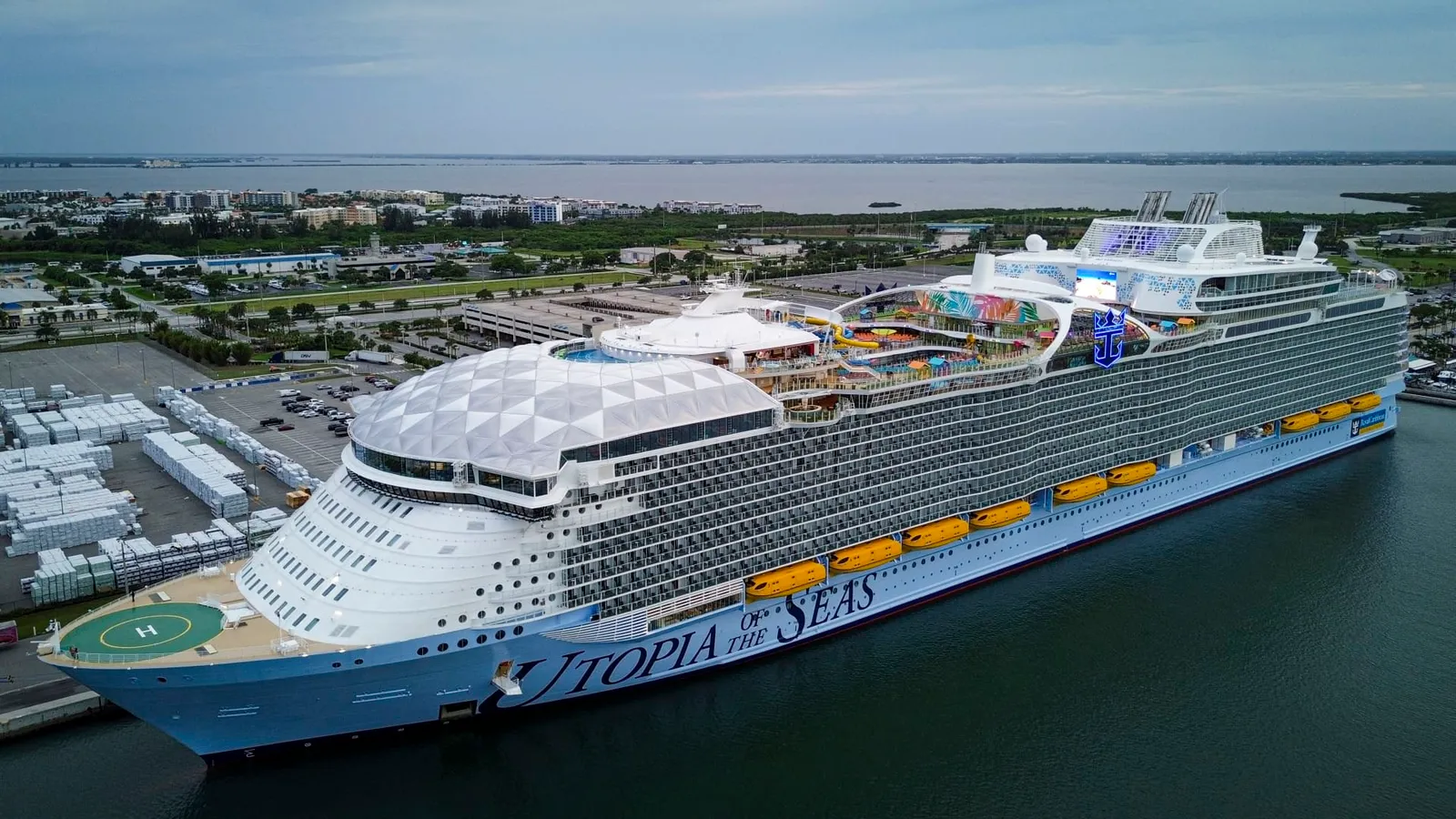
Royal Caribbean just spent $3B to own half of Sandals
The cruise giant is buying a 50% stake in the all-inclusive resort chain for $3 billion, a bet that land-based vacations are the next growth engine.

Paramount's Ellison: Merger Clearance Done, WBD Deal by Oct 1
David Ellison says the Paramount-WBD merger has full clearance after settling with state AGs, clearing the path for an October 1 close.
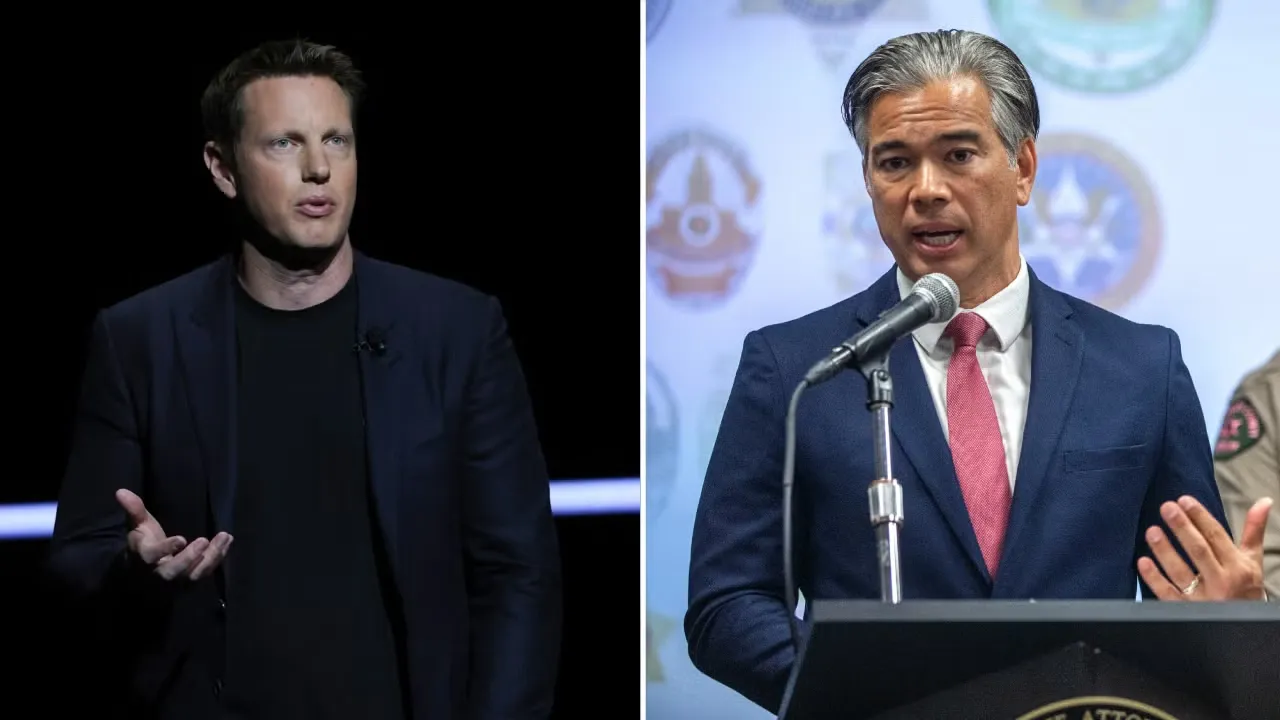
Paramount settles with 12 states, $110B Warner merger clears final hurdle
David Ellison's studio avoids a March trial and a $7M-a-day ticking fee by settling with state AGs over local job losses.