
Warner Bros. wins bidding war for Zach Cregger’s Siren Head film rights
A creepypasta creature with a real owner hits Hollywood. The Backrooms pipeline just got very expensive, very fast.
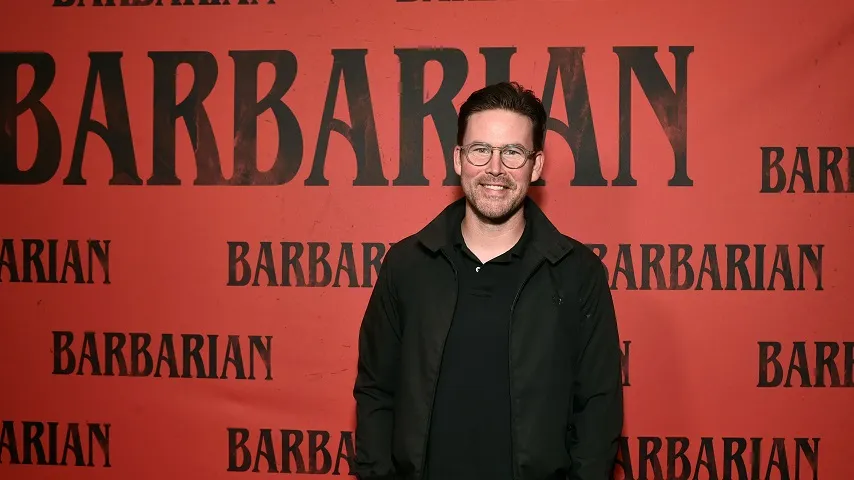
Warner Bros. Pictures won a surprise bidding war for the horror project titled
Warner Bros. Pictures has come out as the winner in a surprise bidding war for “Zach Cregger’s Siren Head,” according to The Hollywood Reporter. The deal centers on Siren Head, with Cregger set to write and produce and Brian Duffield of Whalefall expected to direct. Translation for busy decision-makers: a major studio just paid up to turn a named internet monster into a mainstream theatrical horror release.
The frenzy matters because it breaks the old pattern of creepypasta rights. The source is explicit that this project is getting auction heat because it is not “copyright-light” in the usual vague sense. Siren Head traces to an identifiable creator with actual ownership attached: artist Trevor Henderson posted the creature to the internet in 2018. That ownership is tied to the auction process as well, since Henderson is signed with Verve Talent Agency, which oversaw the rights auction. In other words, Hollywood is not just chasing a viral idea. It is buying certainty where it can.
Siren Head itself has the kind of visual premise that makes executives feel safe even when they are nervous. It is typically depicted as a 40-foot-tall stick insect-like creature with two sirens in place of its head. The monster mythology goes further, describing mimicry of urban structures so it can stalk victims. This is exactly the sort of concept that can be pitched as both creature-feature spectacle and a contained horror world. And it already has an audience, which is why the creepypasta-to-movie pipeline is back in the room.
The broader market context is spelled out in the source. Backrooms, a low-budget horror flick, reportedly made enough money to push executives into “salivating” for more internet-origin horror properties. The A.V. Club piece frames it as studios hunting for copyright-light properties they can bring to “young audiences raised on stories of Jeff The Killer or ‘The Rake.’” The pipeline incentive is straightforward: reduce creative risk by leaning on characters that have proven traction online, then monetize with studio-scale production and distribution.
But the Siren Head detail also reveals a second-order lesson: viral propagation can both supercharge reach and complicate ownership monetization. Henderson’s character has expanded through “a million or so TikTok videos,” ambiguously authorized video games, and other bootleg-adjacent forms, boosting the monster’s reach to what the source calls “Baby’s First Boogeyman.” That popularity can sometimes defray Henderson’s ability to get paid for the character’s popularity. In this case, the source suggests it is not a blocker, because Henderson is represented and the auction process is clean enough to bring a studio into a rights position.
This deal is also notable because it is among the first deals of this specific category signed since Backrooms’ success. That timing is important for board dynamics. When a category “works” once, it becomes the next boardroom scoreboard. Executives and investors will ask: Is Backrooms a one-off, or is there a repeatable formula for creepypasta IP that translates to theatrical returns?
Cregger and Duffield bring their own credibility, per the source, with an attraction to Siren Head’s “monster mythology.” The piece says they were drawn to the extensive lore available on online horror wikis and that they “found a take into the world that jazzed them into collaborating.” That phrasing matters because it points to the creative risk management strategy. Even if the character already exists, the film still has to justify its own version and narrative approach.
There is also a production incentive embedded in the way the source describes Siren Head’s online depictions and horror lineage. It explicitly links its mimicry and stalking premise to how it is presented in creepypasta-style storytelling, including a reference to “Whatever we can handle on a $500 budget and whatever YouTube’s standards will allow” its victims. For studios, the relevance is clear: the original material has already demonstrated it can generate effective fear with constrained means. The studio bet is that it can scale that effect up with higher production value while maintaining audience familiarity.
For peers watching from the sidelines, the strategic takeaway is not just that a studio bought another internet monster. It is that the rights auction framework is now working as a credible capital pathway from online fandom to major distribution. If Warner Bros. is willing to win a bidding war for Siren Head, boards at other studios will face pressure to respond, either by bidding on the next property with a clearer ownership chain, or by tightening their own IP diligence to avoid chasing viral hype without enforceable rights.
And for decision-makers beyond studios, the implications are broader: talent agencies, IP lawyers, and investors in production and distribution should note how quickly “recognizable creator ownership” can turn a meme into a board-level asset. The question the source leaves hanging is whether this remains a fad or becomes a durable pipeline. The fact that a named creator and a major studio are now aligned suggests the pipeline may have teeth this time, not just buzz.
This story's Key Insights and Take-aways are locked.
Create a free account to unlock Executive Actions for one credit.
Register to UnlockAlways free for Executives Club members. Join the Club
More in Entertainment

Russell Brand's accuser 'bewildered and confused' as he denies 7 sex charges
The criminal case against the comedian is a live test of how media companies manage talent risk when serious allegations go public.

'It's a Magic Trick': Ballet Experts Say Rosalía's SNL Pose Is Impossible
Three ballet experts tell Rolling Stone Rosalía's gravity-defying SNL stillness shouldn't be possible - and why the debate is now part of the show.

Activision CMO: GTA 6 Will Boost Call of Duty, Not Bury It
Activision's top marketer says Rockstar's blockbuster will drive players back to consoles and into Modern Warfare 4, even as the company admits its recent strategy failed.