

Washington still holds leverage over China, but allies decide whether it converts
The real advantage is not a lone U.S. move, it is coordinated action that sticks.

The Foreign Affairs piece argues that Washington can win by working with allies rather than acting alone. For decision-makers, the consequence is straightforward: coalition discipline determines whether U.S. leverage becomes durable outcomes.
At its core, this Foreign Affairs argument is a simple, high-stakes claim: Washington can still get ahead of China, but only if it works with allies. The piece is essentially warning against a very tempting mistake, assuming U.S. power automatically turns into leverage that pays off on its own. It does not. In the real world, leverage is not just about what one country wants to do. It is about whether other governments, companies, and institutions choose to align with you, and then sustain that alignment long enough to matter.
So what is the “upper hand” actually made of? Not wishful thinking. Not a single policy. The advantage is conditional on coalition-building that reduces the gaps China can exploit. When Washington coordinates with allies, it can tighten the strategic environment around China, making it harder for rivals to play different markets, regulatory regimes, and political calendars against each other. When Washington does not coordinate, the room for maneuver expands. Beijing does not need to win every battle. It just needs enough seams where incentives diverge, enforcement differs, and timelines fail to synchronize.
This is why the logic matters for executives and boards. Most leadership teams are used to thinking in terms of national policy signals and their downstream impact on customers, tariffs, export controls, procurement, and supply chains. But the coalition piece changes the shape of the risk. Policies that look like one-off actions on paper can become steadier and more enforceable when allies share the same posture. That steadiness affects investment decisions, compliance planning, and the cost of switching vendors or logistics routes. It can also affect competitive positioning: if standards and restrictions move together across multiple jurisdictions, it is harder for one region to become a “workaround” for companies looking to arbitrage regulation.
There is also a capital and governance angle here. Boards do not just worry about what a government might do. They worry about what a government can sustain. Coalition alignment is a sustainability mechanism. It can limit the political volatility that typically comes from domestic politics alone, because allies create a broader base of buy-in. When decision-making is distributed across multiple governments, it becomes harder for any single actor to reverse course quickly without incurring diplomatic and economic costs with partners. That is second-order but real: it changes scenario planning from “what if this policy gets reversed next year?” to “what if this stays for years because the coalition holds?”
From a regulatory framing perspective, coordination with allies is also a way to reduce regulatory fragmentation. International business does not operate in neat national boxes. Companies route goods, services, and data through global networks, and regulators often try to catch up with these realities. If Washington and allies align their approach, compliance becomes less of a patchwork quilt and more of a coherent framework. That can lower administrative burden for firms, but it also tightens the enforcement reality: firms that thought they could segment compliance by geography find fewer blind spots.
This coalition logic also has implications for incentives, not just enforcement. Allies coordinate when they see shared benefits and shared threats. If Washington makes the case effectively, allies are more likely to support not only the initial action but the follow-on steps, including continued monitoring, enforcement, and adjustments as circumstances change. That matters because many strategic efforts have a long middle phase, where the initial announcement is not the hard part. The hard part is keeping implementation on track, especially as budgets tighten and competing domestic priorities compete for attention.
For decision-makers, the strategic takeaway is the same as the one embedded in the Foreign Affairs title. America’s upper hand is not a permanent default setting. It is an outcome Washington can still achieve, but it depends on coalition discipline. If leaders treat allies as optional partners, the leverage weakens. If they treat allies as the transmission belt for U.S. strategy, the advantage becomes more likely to stick. In other words, the question is not whether the U.S. has power. The question is whether Washington can organize that power into coordinated action that China cannot easily disaggregate.
Executives and investors should read this as a signal about the direction of travel for geopolitical risk. Expect more emphasis on alignment across jurisdictions, more scrutiny of cross-border chokepoints, and more insistence that market access and technology governance will increasingly reflect coalition outcomes. If you run a company exposed to government policy, your planning horizon should include not just what Washington does, but what Washington gets allies to do, and how consistently they do it. That is where the upper hand becomes real.
This story's Key Insights and Take-aways are locked.
Create a free account to unlock Executive Actions for one credit.
Register to UnlockAlways free for Executives Club members. Join the Club
More in Politics
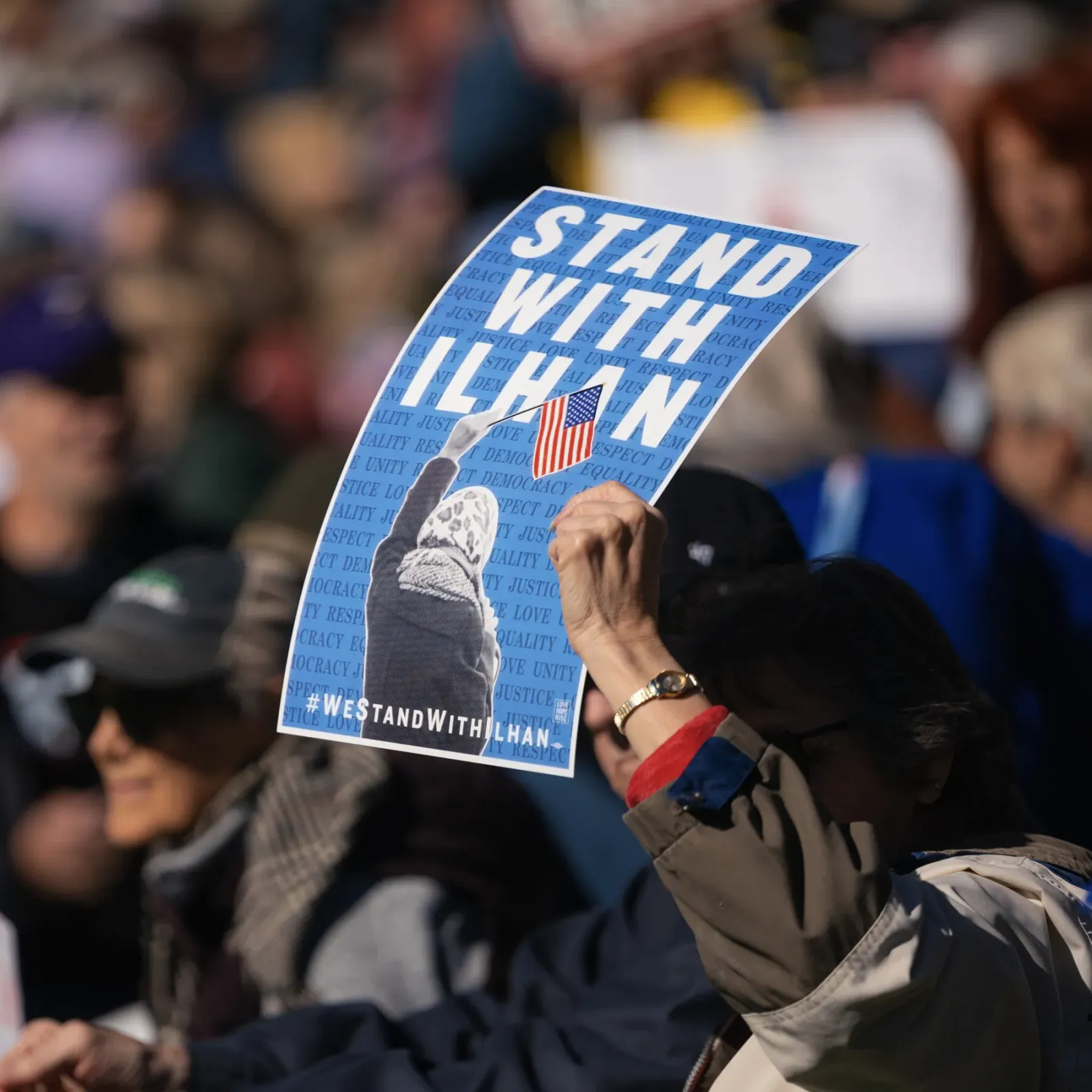
Obama Defends Ilhan Omar After Agents Search Her Home in Trump Inquiry
The former president's intervention raises the stakes in a federal probe into immigration paperwork that has put a prominent progressive lawmaker in the crosshairs.

Blair-era minister: cut welfare to fund youth job support
Alan Milburn's call for welfare cuts to fund employment support opens a Labour fight over benefits and the Neet crisis.
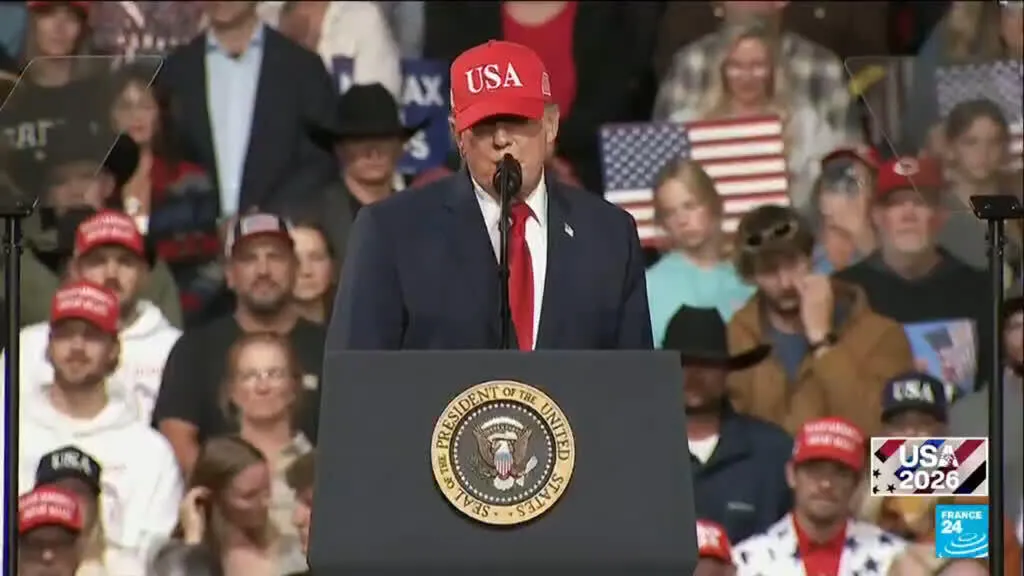
Hot September CPI: energy costs surge, voters feel the squeeze before midterms
The latest inflation print lands as Trump campaigns for GOP control of Congress, putting cost-of-living worries at the center of the midterm fight.