

Wear OS 7 goes live on Pixel watches, adding Gemini AI and live updates now
For operators and product leaders: the newest Wear OS rollout upgrades your wrist interface and notification experience with Gemini AI.
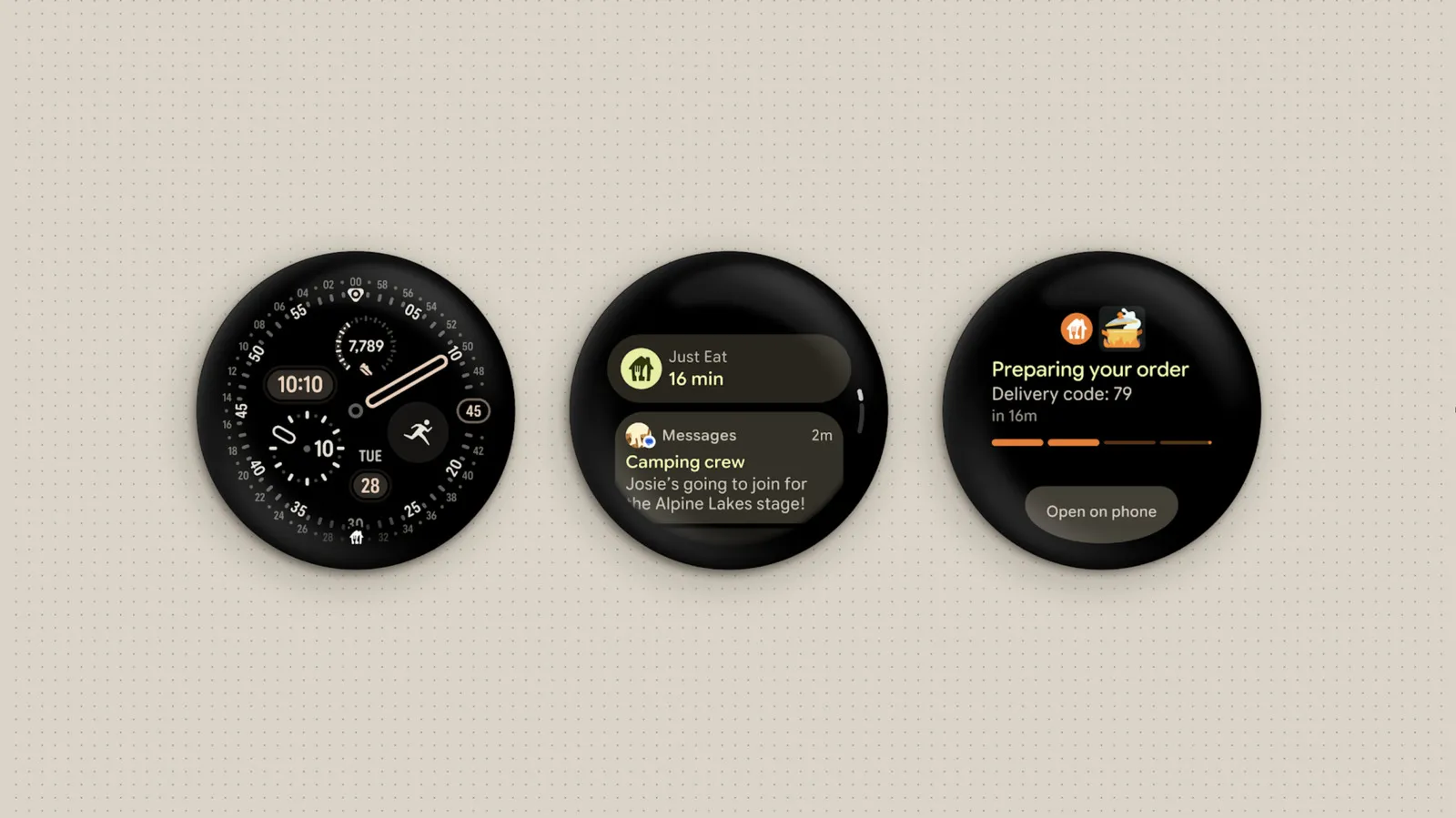
Wear OS 7 is now live for Pixel watches, bringing a new interface, improved notifications, and Gemini AI features. Decision-makers should treat this as a fast-moving platform shift that changes what “smartwatch value” users expect next.
Wear OS 7 is now live on Pixel watches, and it is not just a cosmetic update. The rollout brings a new interface, refreshed notifications, and Gemini AI features that push Google’s assistant into the most personal device on your users’ bodies. If you manage product strategy, partnerships, or platform planning, this matters because wristwear is where expectations for “help me right now” quickly harden into baseline behavior.
The practical change is that Pixel watch owners are getting Wear OS 7 with Gemini AI and live updates immediately, not after a vague “sometime later” window. Notifications are part of that package, which matters more than it sounds. On wearables, notifications are both the primary retention lever and the fastest way to annoy people. A new notification experience paired with AI assistance is basically Google saying, “We want your watch to feel more useful every waking minute, not merely informative.”
To understand why this update is strategically loud, zoom out to how the smartwatch market works. Wear OS competes in a space where switching costs are low, attention is scarce, and developers often build experiences that depend on platform capabilities. When an OS version lands with AI features, it typically changes the development priorities for the next wave of apps and services. Not because everyone rebuilds from scratch overnight, but because new system features become the new “default” for what users think the watch should do.
There is also a subtle governance angle. Live updates and AI features on consumer devices often attract scrutiny around data handling, consent, and transparency. While the source does not cite regulatory actions or specific compliance changes, the broader reality is that AI-enhanced consumer experiences live under the same expectations as other connected device ecosystems: clear user controls, explainability where possible, and trustworthy behavior. Even if nothing “newly regulated” happens with this release, executives should assume that every AI feature rollout increases the scrutiny surface area for product and legal teams.
For boards and leadership teams, the second-order implication is platform gravity. Google has effectively tied together three levers in one release: interface changes, notification behavior, and Gemini AI. Each lever affects user perception, and together they can shift engagement patterns. Better notifications can increase session frequency. A more capable AI layer can convert those sessions from “checking” to “doing,” which is what drives downstream benefits like app usage, subscriptions, and partner integrations.
If you run a smartwatch brand, a wearable app, or a device ecosystem, you should map this release onto your roadmap assumptions. Wear OS 7 is not just an engineering milestone; it is a product expectation reset. Users notice interface polish, feel notification responsiveness, and immediately test AI usefulness during daily routines. That means the apps that feel smart after an OS upgrade can win mindshare quickly, while apps that lag behind system-level improvements risk getting overshadowed by the platform itself.
There is also a partnership and differentiation challenge. Gemini AI features on Pixel watches raise the bar for “built-in intelligence.” Even companies that have their own assistant strategies now have to decide whether to integrate with what the OS makes easy or invest in a parallel experience that can compete with the platform default. In practice, that decision affects budgets, go-to-market messaging, and what you prioritize for the next funding cycle.
Ultimately, this is a reminder that platform updates move faster than product cycles. Wear OS 7 going live for Pixel watches with Gemini AI and live updates signals that the next phase of wearables is about continuous usefulness, not occasional convenience. For executives watching the category, the strategic stakes are simple: the OS that defines the default experience can steer user expectations for everyone who builds on top of it.
This story's Key Insights and Take-aways are locked.
Create a free account to unlock Executive Actions for one credit.
Register to UnlockAlways free for Executives Club members. Join the Club
More in Technology

Nvidia's $89B data center quarter: the 9 companies cashing in
The AI buildout is minting fortunes beyond GPUs, and memory, cloud, and cooling suppliers are riding the same wave.
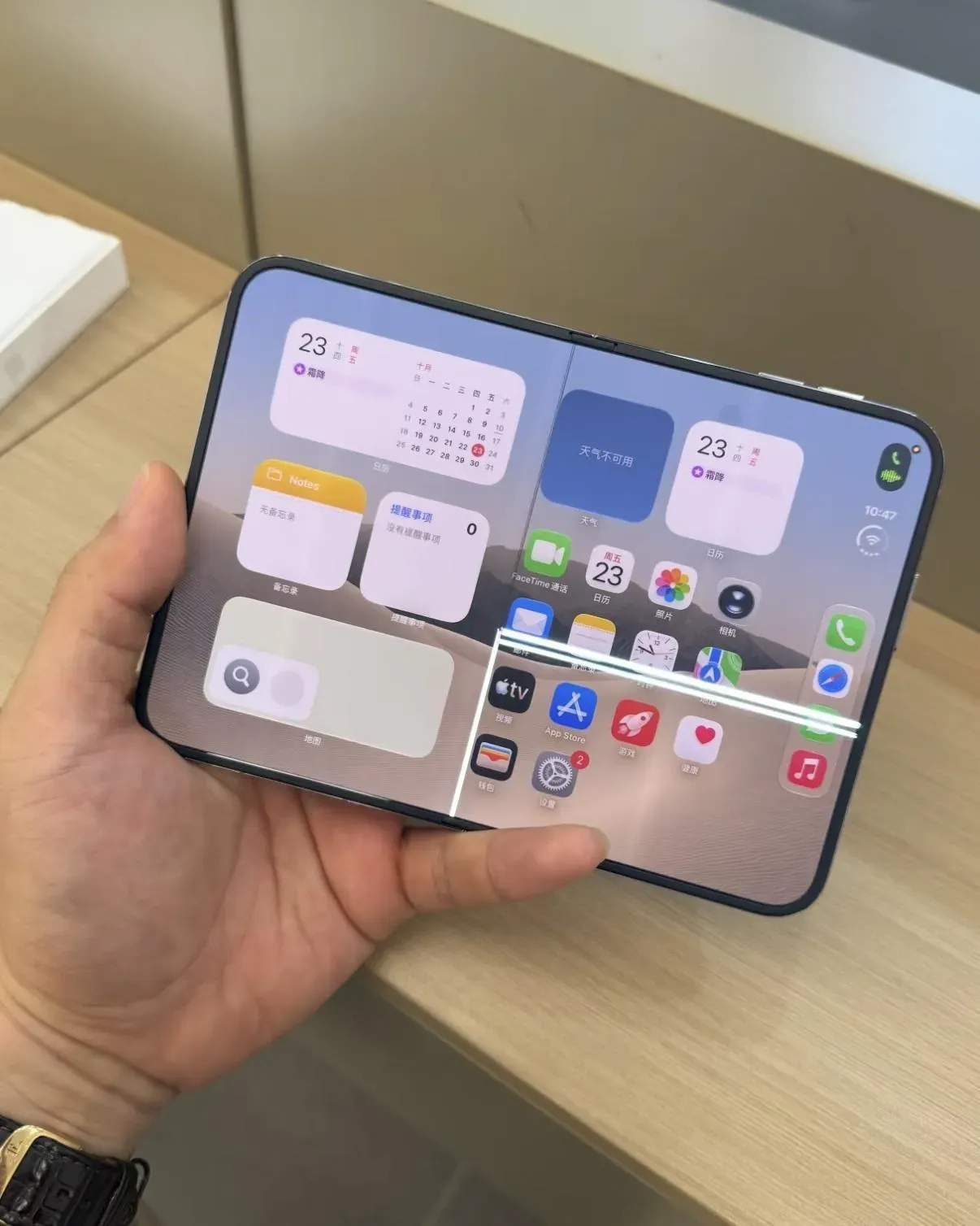
A YouTuber dissected the iPhone Duo and thinks he found crackgate's cause
CuriousHagi's teardown of Apple's foldable reveals a gear-like hinge that may explain why screens crack in the same spot within hours.

Google quietly links your phone number to every Android account on your SIM
Adding a SIM now ties your phone number to all Google accounts - and future accounts inherit it. Here's the security and privacy stakes.