

White House says Air Force One will be out for a month this fall for upgrades
The White House frames “enhancements” as planned work, but the timing lands amid scrutiny of the plane’s defenses.
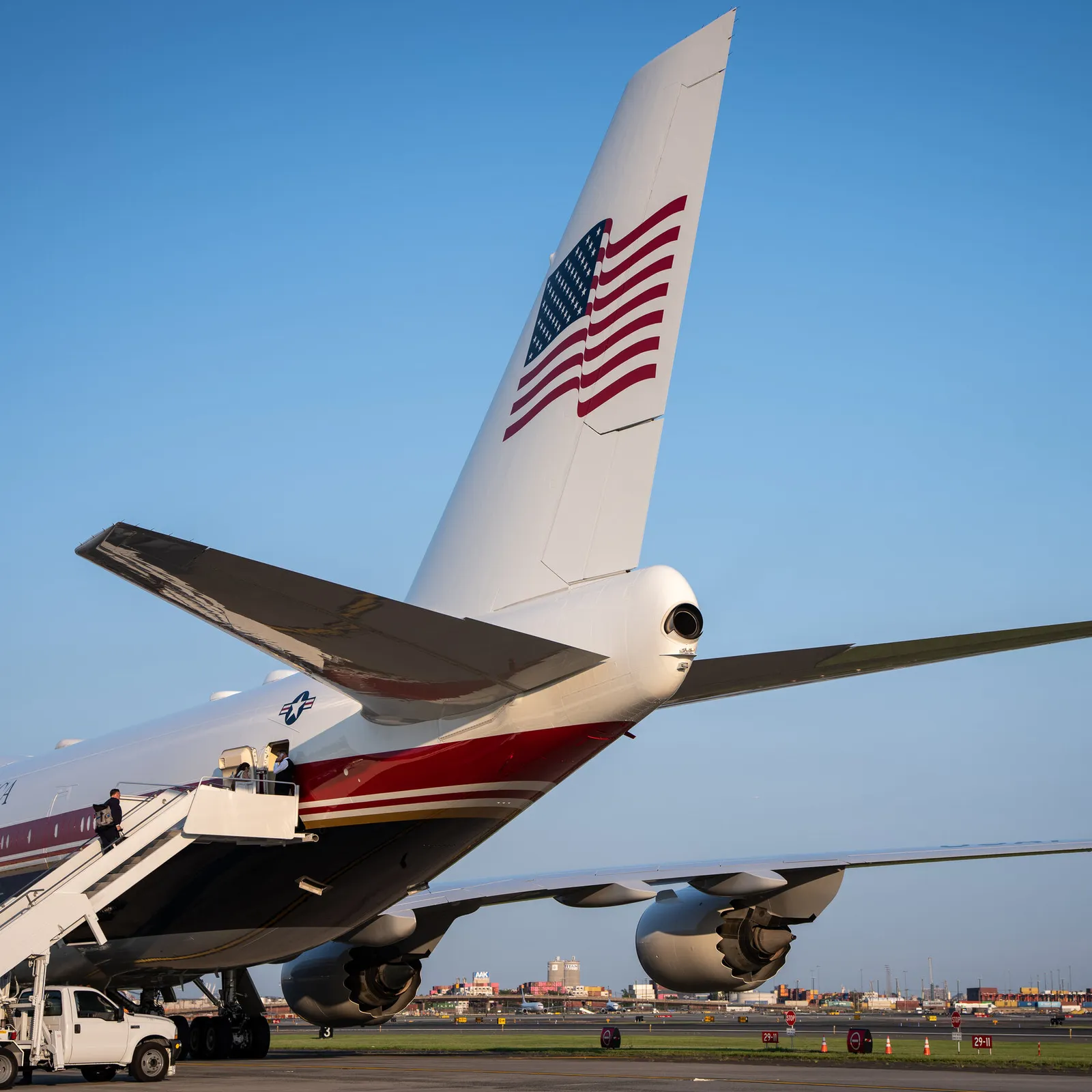
The White House press secretary said Air Force One will be out of service for about a month this fall for unspecified “upgrades.” The move matters to decision-makers because it comes while the aircraft is under scrutiny over whether its defensive capabilities are sufficient.
The White House has signaled that Air Force One, the world-famous aircraft that carries the U.S. president, will be out of service for about a month this fall, according to the White House press secretary. The stated reason is “upgrades” or “enhancements,” described without specifics, planned for that season.
For leaders watching risk, readiness, and contingency planning, the second sentence in the White House’s own messaging is the real story. The plane has been under scrutiny over whether it has sufficient defensive capabilities. In other words, the schedule is being managed publicly while the underlying capability question remains alive in the background.
Air Force One is not just a piece of transportation. It is a moving command-and-control asset wrapped in political optics. Because it is tied to the continuity of government and the visible face of executive power, any maintenance window becomes instantly strategic. “Out of service for a month” is the kind of phrase that forces operators and planners to think in terms of redundancy: what replaces it, how quickly can it be swapped into service, and how do security teams adjust protocols if the primary asset is unavailable.
At the same time, the White House did not detail what the enhancements will include. That matters. When a system is facing scrutiny, people want to know whether the upgrades are focused on detection, countermeasures, communications hardening, or something else entirely. But the briefing from the press secretary, as reported, remains at the high level of “enhancements.” That leaves decision-makers in a familiar position: you have a declared intent to improve, but not the full technical roadmap you would usually want when the conversation is about defensive capability.
This kind of situation tends to create two parallel pressures. First, there is the operational pressure to execute upgrades on a timeline that can realistically be completed during a maintenance window. Second, there is the political pressure to demonstrate responsiveness without airing sensitive details. For a presidential aircraft, the line between transparency and security is not a theoretical debate. It is an operational constraint.
Because the source describes scrutiny about whether the defensive capabilities are sufficient, the month-long grounding reads differently than routine maintenance. Even though the White House frames it as planned work, the scrutiny implies an ongoing assessment process by stakeholders who are not satisfied with the status quo. When defensive systems are questioned, that question becomes a governance issue. It invites a broader review of preparedness, procurement decisions, and the adequacy of safeguards across mission-critical platforms.
There is also a procurement and industrial base angle, even with limited specifics. Upgrades on aircraft used at the highest level of government often require tight coordination among contractors, government engineers, and security authorities. A stated fall timeframe suggests a deliberate scheduling choice, likely tied to when components, software changes, or integration tasks can be completed and validated. If you are on the budget side or on the oversight side, timing is everything. Delays can create compounding risks: not just that the aircraft is unavailable, but that it becomes unavailable during a period when political or operational demands are high.
So what should peers in similar roles take from this? The immediate operational lesson is contingency planning. If Air Force One is out for about a month, planning cannot be abstract. It has to be tested in advance, because the aircraft is part of a system, not a standalone asset.
The strategic lesson is about how governments manage capability risk in public. The White House is acknowledging upgrades and a temporary out-of-service period, while also maintaining ambiguity about what “enhancements” actually mean. For leaders who oversee security-sensitive programs, that ambiguity is not a failure. It is often the result of balancing readiness and disclosure when defensive capability is under scrutiny.
Bottom line: the White House says Air Force One will be out of service for about a month this fall for unspecified upgrades, and the plane is already under scrutiny over whether its defensive capabilities are sufficient. That combination turns a routine maintenance window into a high-stakes readiness signal. For decision-makers, the question is not just what gets fixed, but how fast confidence can be re-established once the aircraft returns to service.
This story's Key Insights and Take-aways are locked.
Create a free account to unlock Executive Actions for one credit.
Register to UnlockAlways free for Executives Club members. Join the Club
More in Politics

LA County: DOJ's 20,000 'noncitizen' voter list is 'unreliable,' includes U.S.-born
Preliminary review by Los Angeles County election officials finds errors in the federal list, raising the stakes for voter roll integrity ahead of November.
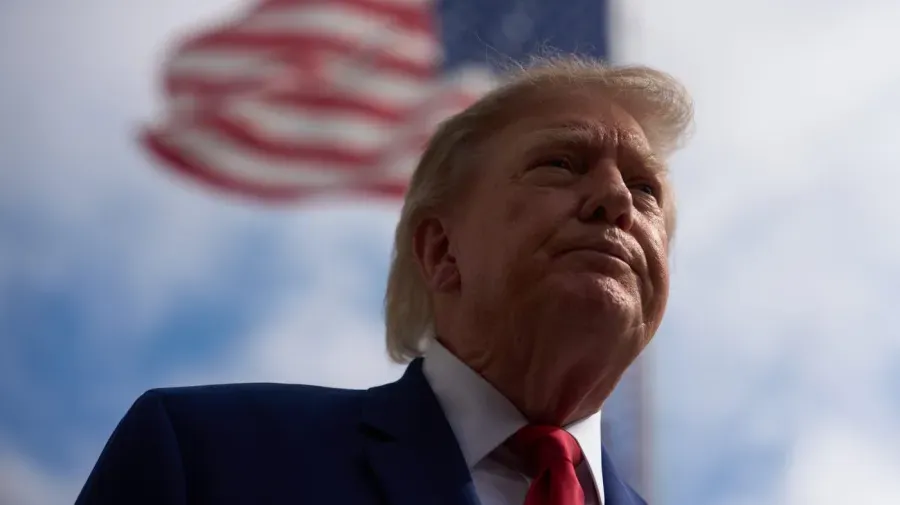
Trump's $1.5B Pentagon chip investment lands in North Carolina
A $1.5 billion defense infusion for North Carolina chipmaking signals a new era of Pentagon-backed reshoring - here's what it means for the industry.
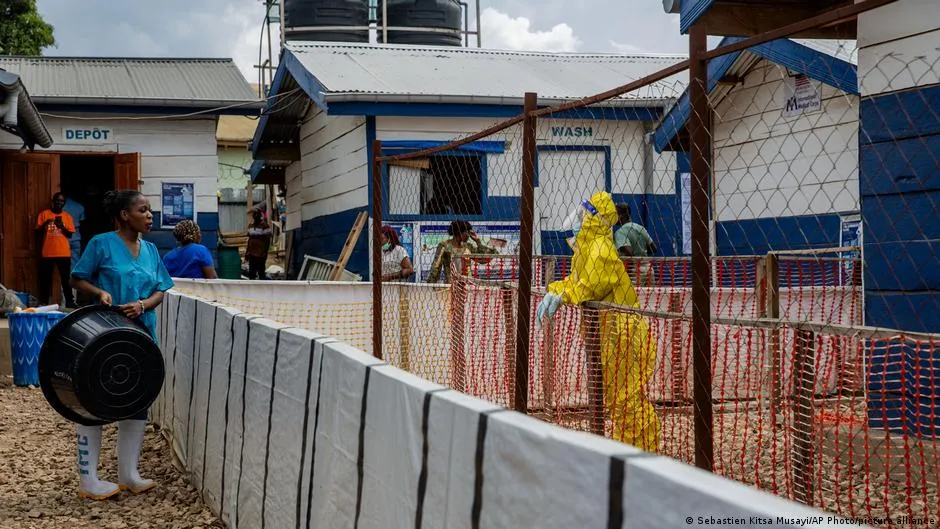
Nigeria confirms first Ebola case in Abuja, a woman just off a Uganda flight
Health Minister Muhammad Ali Pate says the patient flew in from Uganda, putting Africa's latest outbreak on Nigeria's doorstep.