

White House told FBI Director Christopher Wray to push Times Air Force One probe
A Friday White House visit drove subpoenaing of multiple Times reporters, sharpening the battle over national security reporting and oversight.
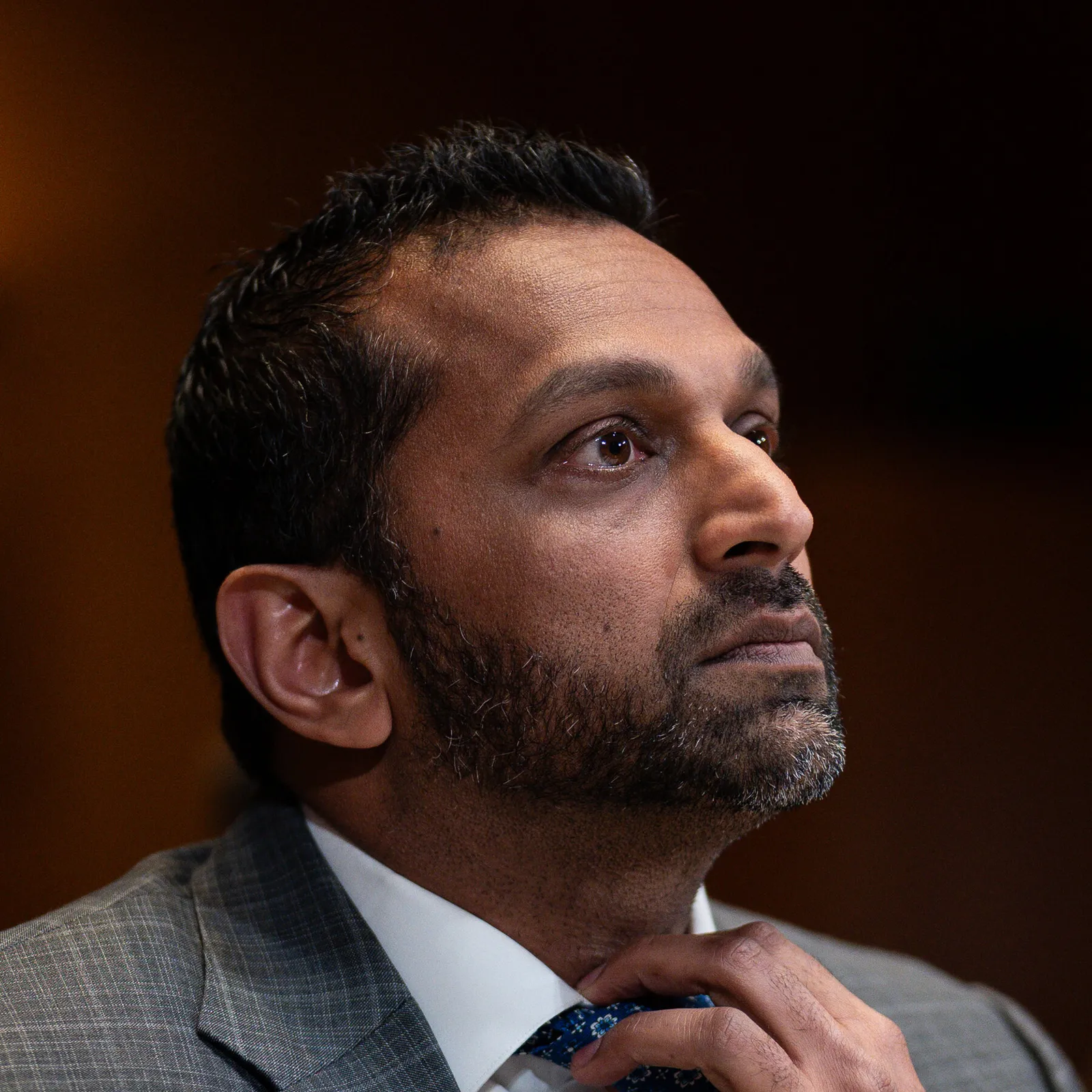
The White House directed FBI Director Christopher Wray to oversee an investigation tied to New York Times reporting about the security of Air Force One, after he spent about eight hours at the White House Friday. For decision-makers, the move underscores how fast government scrutiny can escalate when journalism intersects with classified or protective-security matters.
The White House directed FBI Director Christopher Wray to oversee an investigation involving New York Times reporting about the security of Air Force One, and the result moved quickly from investigation to enforcement. Wray spent about eight hours at the White House on Friday focused on the effort, according to the report, and that attention translated into subpoenas for several Times reporters who wrote about Air Force One security.
That timeline matters because it shows the operational pace of the state when it believes national security is at stake. The story is not just about what was published. It is about what publication triggered, and how a high-level federal leader's day at the White House can correspond to immediate legal pressure on members of the press. For executives, boards, and investors, this is a reminder that governance and compliance are not confined to corporate labs or finance teams. Government investigations can become a whole-of-institution event, especially when they touch the information ecosystem that companies rely on to understand risk, reputation, and regulatory direction.
To understand why this lands with weight, you have to look at the incentives on both sides. On one side is the federal government, which has statutory and operational duties around protecting sensitive security details, especially those involving presidential mobility. On the other side is a newsroom, which must decide what to publish, how to verify, and what legal exposure accompanies coverage. When reporting concerns security procedures, the government can argue that even careful publication may widen the circle of actionable knowledge. When reporters publish, they may see their work as accountability journalism, focused on systems that affect public safety.
The FBI's role in this kind of matter is also a signal to the wider policy landscape. Even without delving into the specific legal theory, the fact pattern here includes an investigation that culminated in subpoenaing reporters. Subpoenas are a structured, formal tool, not an informal inquiry. They generally indicate that officials are seeking specific testimony or documents, and they also create a chilling effect for future coverage. That chilling effect is the second-order implication that boards should not ignore. If reporting becomes more legally risky, newsroom behavior can shift. That can change what information reaches the public and how quickly issues are surfaced. For industries that depend on public confidence, that ripple can be real.
There is also a reputational and operational angle. When a major newspaper becomes the subject of subpoenas, it affects not only the outlet but the broader information supply chain: freelancers, sources, legal counsel, and corporate communications teams that monitor the news for regulatory signals. Companies frequently face pressure to respond quickly when government narratives shift. They look at what gets reported, then adjust messaging or risk controls. A subpoena-driven cycle can compress timelines, forcing faster internal decisions around compliance reviews, document retention, and legal readiness.
For decision-makers at other organizations, the lesson is less about Air Force One and more about process. Wray spent about eight hours at the White House Friday focused on the effort, and the effort led to subpoenas for several Times reporters. That linkage shows that senior-level attention can translate into concrete investigative steps rapidly. Boards should think about how their organizations prepare for sudden legal actions, including how they handle legal holds, how quickly they can coordinate between counsel, operations, and communications, and how they manage uncertainty about what information might later be characterized as sensitive.
Finally, the constitutional and media-freedom stakes sit underneath the procedural details. Subpoenaing journalists in national security contexts tends to intensify the debate over what protections journalists should have when reporting touches defense or protective security. Even if a company is not in the journalism business, it sits in the same societal system that determines whether information flows freely enough to support oversight. When that system tightens, it changes the environment for everyone who trades on trust: regulators, markets, and the public itself.
In short: the White House directing the FBI to oversee an investigation, followed by Wray's about-eight-hour presence at the White House and the subpoenaing of Times reporters, is a concrete example of how quickly government scrutiny can reach into the press when security and publication collide. If you are an executive managing risk, or a board thinking about long-term legitimacy, this is the kind of moment that can ripple far beyond one newsroom and one headline.
This story's Key Insights and Take-aways are locked.
Create a free account to unlock Executive Actions for one credit.
Register to UnlockAlways free for Executives Club members. Join the Club
More in Politics

Glacial collapse, not rain, killed 180 in Nepal's Himalayan flood
The Himalaya's extreme geography hid the true cause of Nepal's catastrophic flood, a glacial collapse that turned a geological battleground into a mass-casualty zone.

Iran’s Esmail Baghaei says Oman talks start shipping via Hormuz, not US talks yet
Temporary route plans with Oman aim to restart commerce while Tehran says Washington dialogue is not on the table.

Standards watchdog opens probe into Reform UK deputy leader Richard Tice over interests
The parliamentary standards commissioner says it began an investigation on 28 July into a possible undeclared interest.