
Whitmer endorses Haley Stevens in Michigan Senate primary, sharpening Democrats' ideological knife-fight
Whitmer backs Stevens over Abdul El-Sayed for Aug. 4, setting up a high-stakes general election against GOP Mike Rogers.
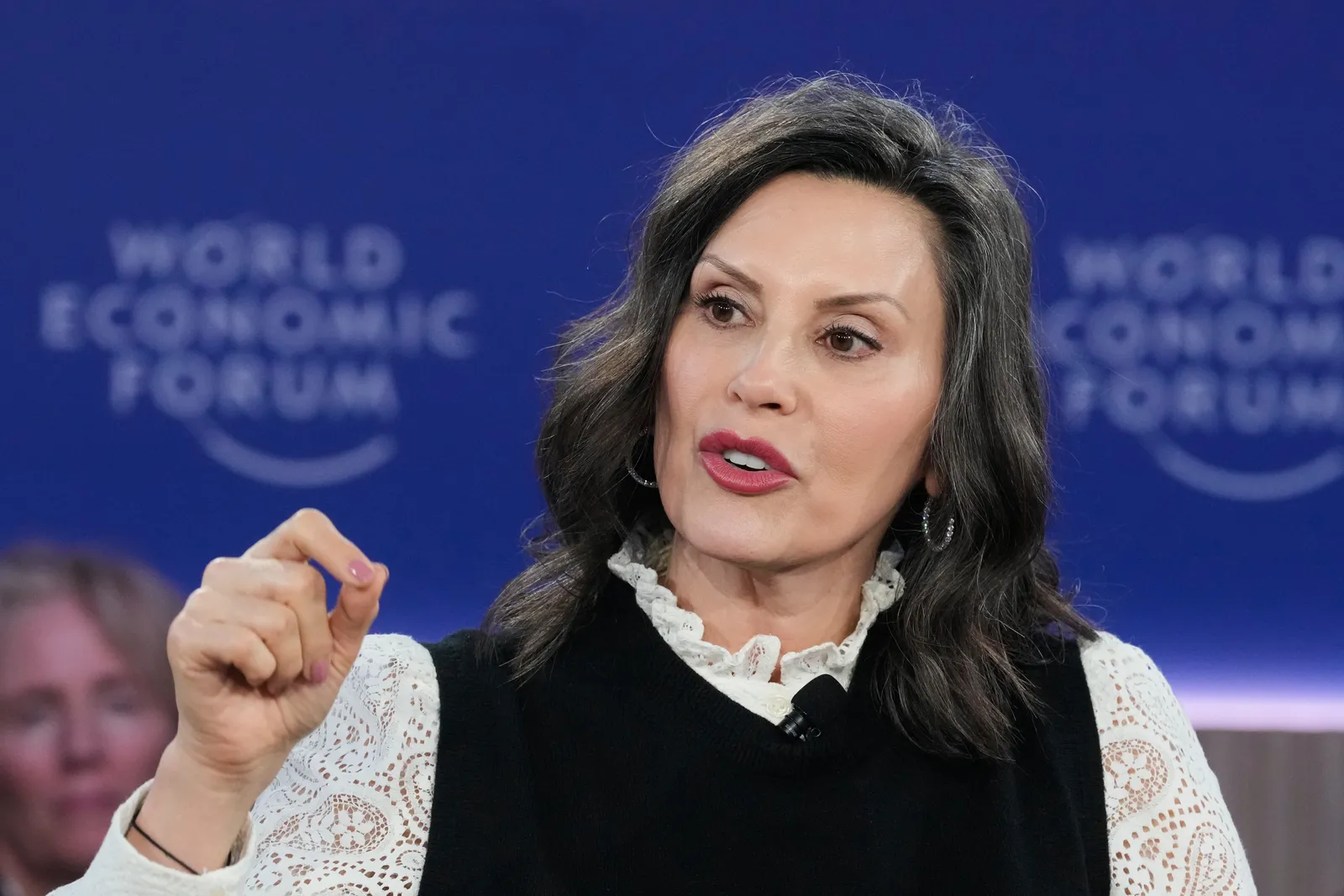
Michigan Gov. Gretchen Whitmer endorsed Rep. Haley Stevens in the state’s Democratic Senate primary, backing a more moderate lane in a race dominated by ideological contrast. For decision-makers, the endorsement signals how Democratic national power brokers may shape capital, messaging, and coalition strength ahead of the Aug. 4 nomination and the November fight for the seat.
Michigan Gov. Gretchen Whitmer went on offense Friday, endorsing Rep. Haley Stevens for the U.S. Senate seat in Michigan’s Democratic Senate primary. In a video posted to Stevens’ account, Whitmer said, “As governor, I have one strategy: Get things done. And that strategy informs everything that I do, and that’s why I’m endorsing Haley Stevens for the U.S. Senate.” The message is simple, but the stakes are not. This is one of the highest-profile ideological battles inside the Democratic Party, and it lands right in the middle of a nationally watched effort to keep the seat blue.
Stevens is one of two major Democratic candidates competing in the Aug. 4 primary to replace retiring Sen. Gary Peters. The other is former public health official Abdul El-Sayed, a candidacy that the article notes has galvanized progressives, while Stevens has backing from more mainstream Democrats and the tacit support of Senate Minority Leader Chuck Schumer. Friday afternoon in Detroit, Stevens hosted a meet-and-greet alongside Whitmer and Rep. Jim Clyburn (D-S.C.), a lineup that reads less like a casual campaign stop and more like coalition-building with a national-grade spotlight.
Why this matters beyond Michigan is that the winner of the Democratic nomination will face GOP candidate and former Rep. Mike Rogers in November, and Rogers is endorsed by President Donald Trump. So the Democratic primary is not just a domestic power struggle. It is the selection mechanism for the person most likely to carry the seat into the general election, at a time when national Republicans are explicitly aiming to flip it. The ideological question, then, becomes a strategic question: which lane of the Democratic coalition can win over voters at the margins without triggering backlash among the broader electorate that ultimately decides the general election?
In that light, Whitmer’s endorsement looks like a deliberate signal to moderates and institutional Democrats that Stevens is their safest bet on execution. Whitmer’s framing, “Get things done,” is a classic political contrast line in primary battles: it implies competence, continuity, and results. The endorsement is also credit-assigning. Stevens publicly responded with a post on social media saying she is “absolutely thrilled” to have Whitmer’s endorsement for U.S. Senate, adding that Whitmer “understands the stakes of this race” and “gets stuff done for Michigan.” The article’s account puts the endorsement squarely inside the race’s narrative contest, where candidate credibility is measured as much by tone and coalition as by policy.
But the race’s national attention is not purely about personalities. It is structured around the party’s ideological split, with Stevens representing the more moderate wing and El-Sayed the progressive wing. That difference shows up in who is willing to attach their name to each candidate. Stevens received an additional endorsement from outgoing Sen. Gary Peters. El-Sayed, meanwhile, has endorsements from more progressive lawmakers such as Rep. Alexandria Ocasio-Cortez (D-N.Y.), Sen. Bernie Sanders (I-Vt.), and Sen. Elizabeth Warren (D-Mass.). In Warren’s endorsement video, the article says she praised El-Sayed’s vow to not take corporate money while taking a jab at Stevens, who has benefitted from a slew of outside donations, including nearly $30 million from the AIPAC-aligned United Democracy Project.
That detail about nearly $30 million matters because it is not just about who has money. It is about what money implies in a primary, where donors and outside groups can function like shorthand for ideology. El-Sayed’s anti-corporate money stance, as described in the article, gives progressive voters a moral and cultural organizing principle. For mainstream Democrats, the counterargument often becomes pragmatism: outside resources can signal viability, reach, and the ability to compete against a well-funded general election opponent. When those frames collide, they can reshape not only who wins the nomination, but also how the eventual nominee prepares for the next phase of fundraising, messaging, and coalition management.
Second-order implications follow quickly. First, endorsements from figures like Whitmer, Clyburn, and the tacit support from Schumer for Stevens suggest party leadership preferences toward a candidate who can knit together statewide pragmatists and national Democrats. Second, the progressive endorsements for El-Sayed show that the progressive wing is still powerful enough to demand an ideological choice, not merely a candidate name. Third, because whoever emerges faces Mike Rogers, the party will be watching whether the primary’s ideological intensity helps or hurts in November. A nominee who is too polarizing could inherit scrutiny from both sides; one who moves too far toward the center could face turnout risk from the activists driving the progressive base.
For executives, investors, and board-level leaders tracking political risk, this kind of primary matters because it often precedes changes in policy priorities and regulatory posture, even when a general election is the real battlefield. The campaign rhetoric about corporate money, outside spending, and ideological identity can influence which stakeholders feel heard, which alliances become durable, and which issues get operationalized into legislation once the election ends. In short, Michigan’s Aug. 4 primary is not a sideshow. It is a selection process that decides how Democrats will position themselves for a national, high-stakes fight to keep a Senate seat blue.
This story's Key Insights and Take-aways are locked.
Create a free account to unlock Executive Actions for one credit.
Register to UnlockAlways free for Executives Club members. Join the Club
More in Politics
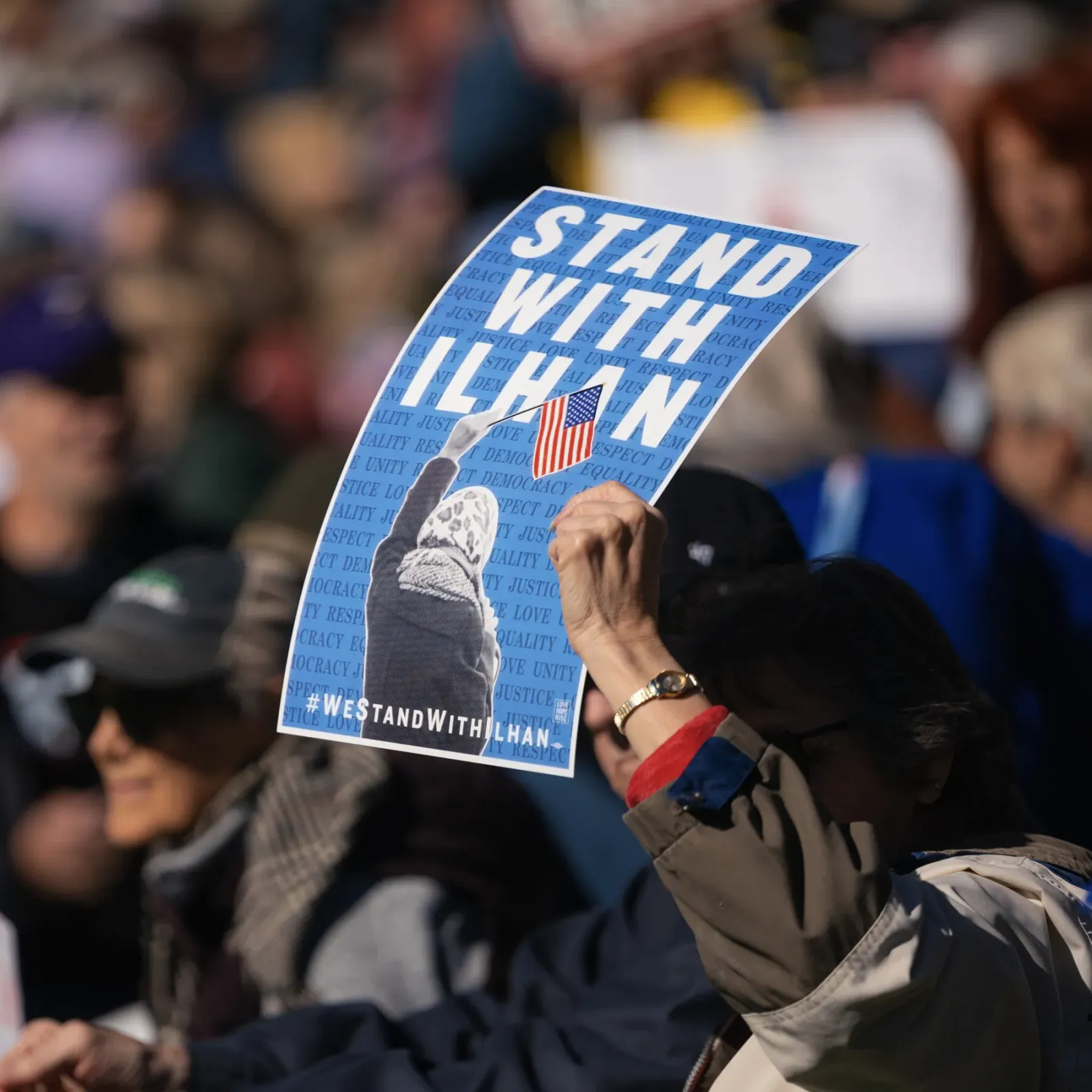
Obama Defends Ilhan Omar After Agents Search Her Home in Trump Inquiry
The former president's intervention raises the stakes in a federal probe into immigration paperwork that has put a prominent progressive lawmaker in the crosshairs.
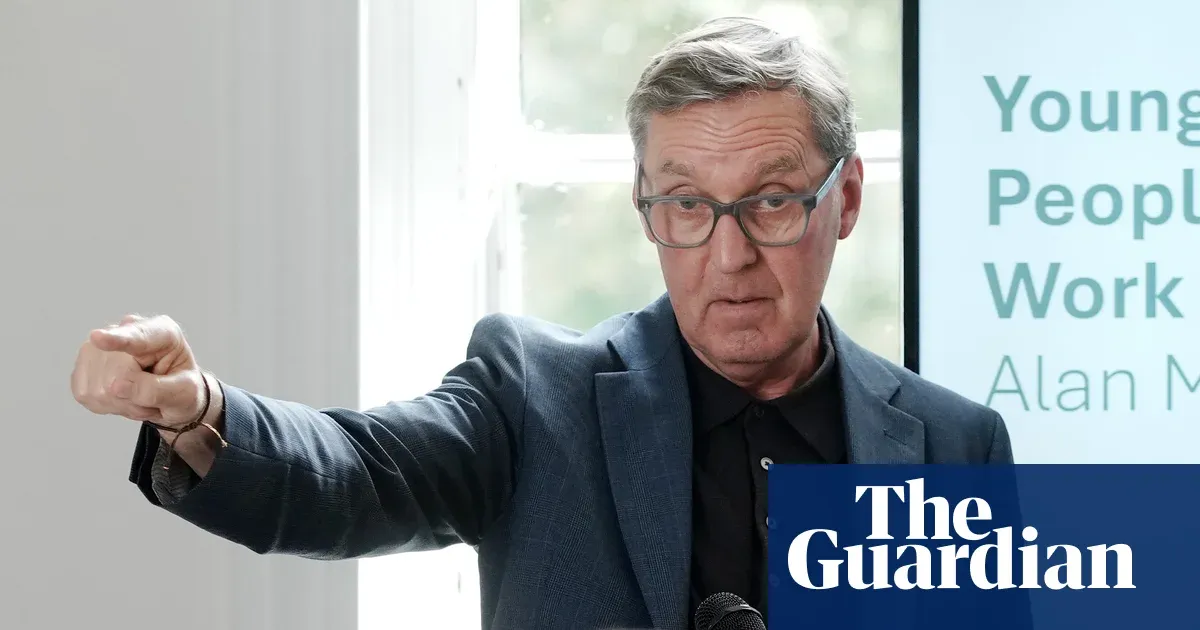
Blair-era minister: cut welfare to fund youth job support
Alan Milburn's call for welfare cuts to fund employment support opens a Labour fight over benefits and the Neet crisis.
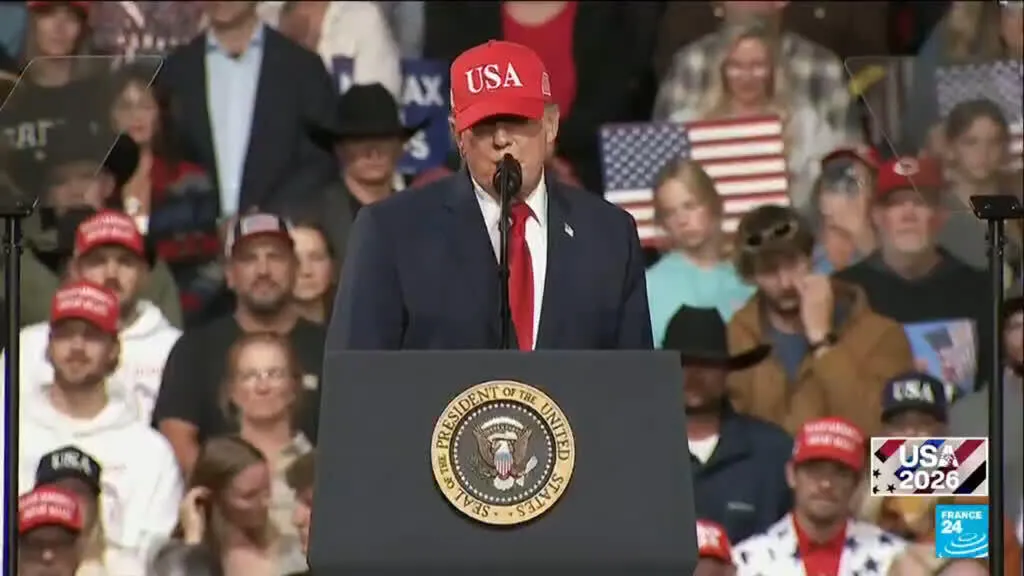
Hot September CPI: energy costs surge, voters feel the squeeze before midterms
The latest inflation print lands as Trump campaigns for GOP control of Congress, putting cost-of-living worries at the center of the midterm fight.