

WHO evacuated 85 people from Gaza Tuesday for medical treatment abroad
Patients and companions left from Al-Mawasi in Khan Younis, then crossed via Rafah as WHO coordinated.
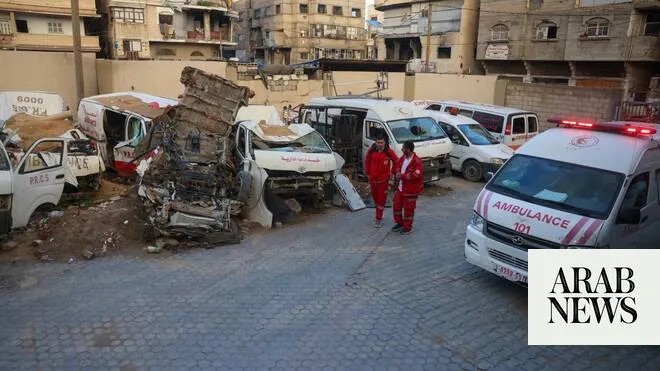
The World Health Organization evacuated 85 individuals from the Gaza Strip on Tuesday, with help from the Palestine Red Crescent Society, to receive medical treatment abroad. For decision-makers watching humanitarian logistics, it highlights how access, infrastructure, and border control directly determine health outcomes.
On Tuesday, the World Health Organization (WHO) evacuated 85 individuals from the Gaza Strip with assistance from the Palestine Red Crescent Society so they could receive medical treatment abroad. The evacuation included 30 patients and 55 companions, and it started at the Al-Mawasi field hospital in Khan Younis, in central Gaza, according to Palestine News Agency.
The movement mattered because it shows the narrow corridor through which medical care can even happen right now. WHO facilitated the transfer from the Rafah border crossing, where the crossing is controlled by Israeli forces on the Palestinian side and by Egypt.
That last detail is not trivia. In conflicts, the ability to move people is often more decisive than the availability of hospitals, equipment, or doctors inside the territory. Here, the source is explicit that Rafah is controlled in a split way: Israeli forces on the Palestinian side, Egypt on the other side. When clearance, timing, or procedures at a crossing are constrained, evacuations become less like a smooth logistics chain and more like a high-stakes gatekeeping system where delays can mean lost treatment windows.
The evacuations did not start from nowhere. The report notes that since late 2023, hundreds of Palestinians injured in the Israeli war on the Gaza Strip have left to receive medical treatment in hospitals in Egypt, Jordan, and other countries. That suggests a continuing pipeline, not a one-off response. For executives and operators in international health and logistics, the second-order question becomes: what proportion of demand is being served through evacuation, and what proportion is being forced to wait? The answer, typically, is that the most serious medical cases push through first, and the tail of patients who cannot move simply does not get treated on the same timeline.
The story also gives a harsh systems-level explanation for why evacuations are necessary in the first place. It says Israeli forces targeted several main hospitals in the coastal enclave, leaving some out of service or with their facilities damaged. It also states that Israel prohibits the entry of medical items to Gaza considered for civilian or military use, including anesthetics, surgical scissors, ventilators, oxygen cylinders, and wheelchairs.
That list reads like a map of how a modern medical system breaks: anesthesia and surgical tools for procedures, ventilators and oxygen for respiratory failure, and wheelchairs for mobility and disability support. When those inputs are restricted, hospitals can be left with staff but without the tools required to deliver care at scale. In that kind of environment, evacuation is not just “additional help.” It becomes the only viable pathway for certain interventions.
There is also a legal and reputational dimension that should land with corporate leadership, investors, and boards even if they are not operating in healthcare. The report notes that several international organizations have accused Israel of committing genocide in Gaza, where the regime has killed over 73,000 people and injured 173,368 others. Even for leaders outside the humanitarian sector, accusations like that change the risk landscape: partners face scrutiny, regulators and insurers may tighten requirements, and governments and multilateral bodies may adjust how they approve, finance, and monitor cross-border medical assistance.
Finally, for peers managing crises, this case underlines how humanitarian outcomes hinge on coordination between organizations and actors that do not share a single operating model. WHO facilitated the transfers; the Palestine Red Crescent Society operated the evacuation starting point at Al-Mawasi; and Rafah’s control structure and Egypt’s role on the other side shaped how people could leave. In practice, this means that the “healthcare strategy” and the “border strategy” are inseparable. If you are an executive responsible for complex operations, compliance, or stakeholder management, this is the kind of headline that quietly signals where the true constraints are: access, approvals, infrastructure condition, and the ability to move patients to care that is still functioning.
This story's Key Insights and Take-aways are locked.
Create a free account to unlock Executive Actions for one credit.
Register to UnlockAlways free for Executives Club members. Join the Club
More in Politics
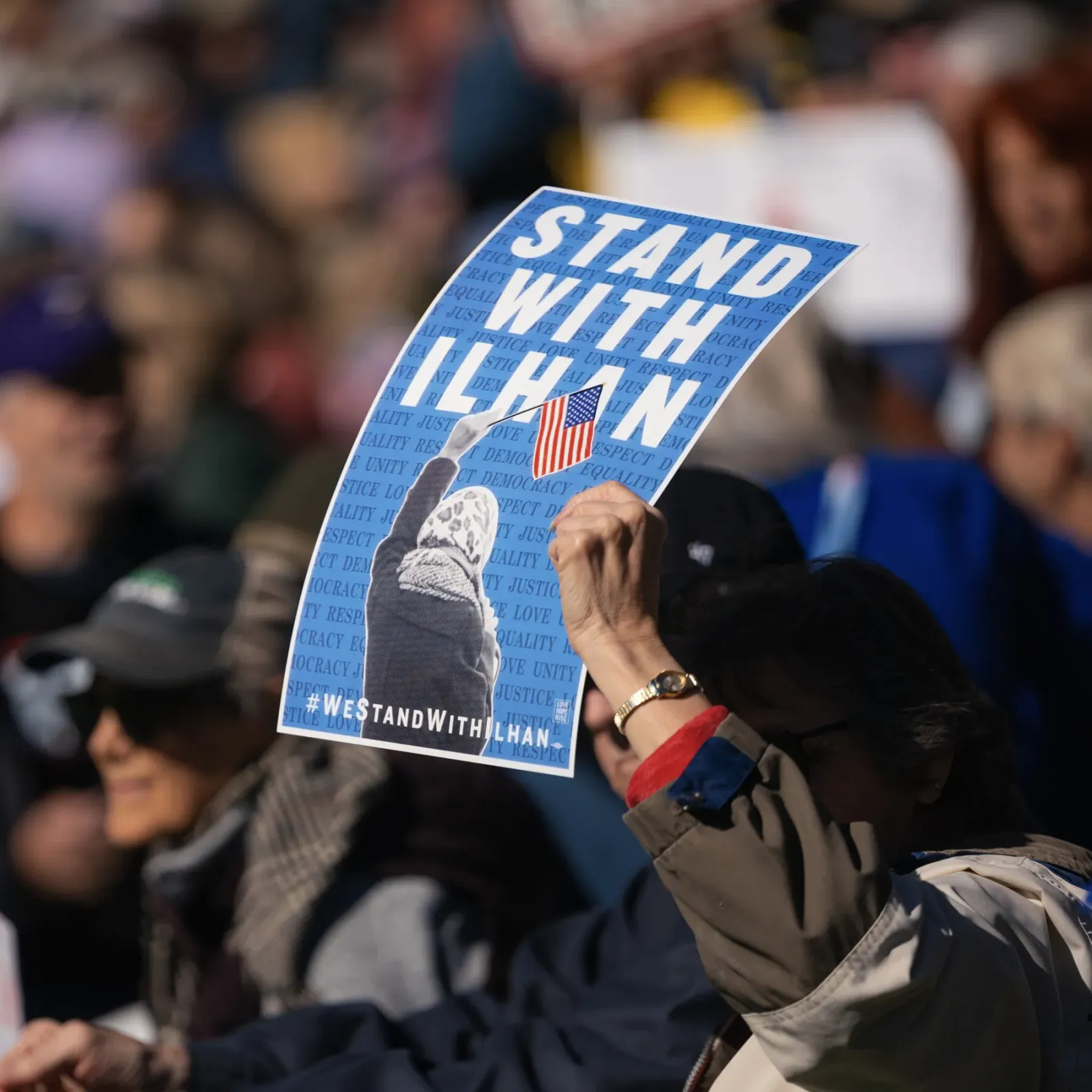
Obama Defends Ilhan Omar After Agents Search Her Home in Trump Inquiry
The former president's intervention raises the stakes in a federal probe into immigration paperwork that has put a prominent progressive lawmaker in the crosshairs.

Blair-era minister: cut welfare to fund youth job support
Alan Milburn's call for welfare cuts to fund employment support opens a Labour fight over benefits and the Neet crisis.

Hot September CPI: energy costs surge, voters feel the squeeze before midterms
The latest inflation print lands as Trump campaigns for GOP control of Congress, putting cost-of-living worries at the center of the midterm fight.