

WHO says Ebola outbreak is outrunning response
A fast, accelerating epidemic is forcing governments and funders to rethink speed, logistics, and oversight right now.
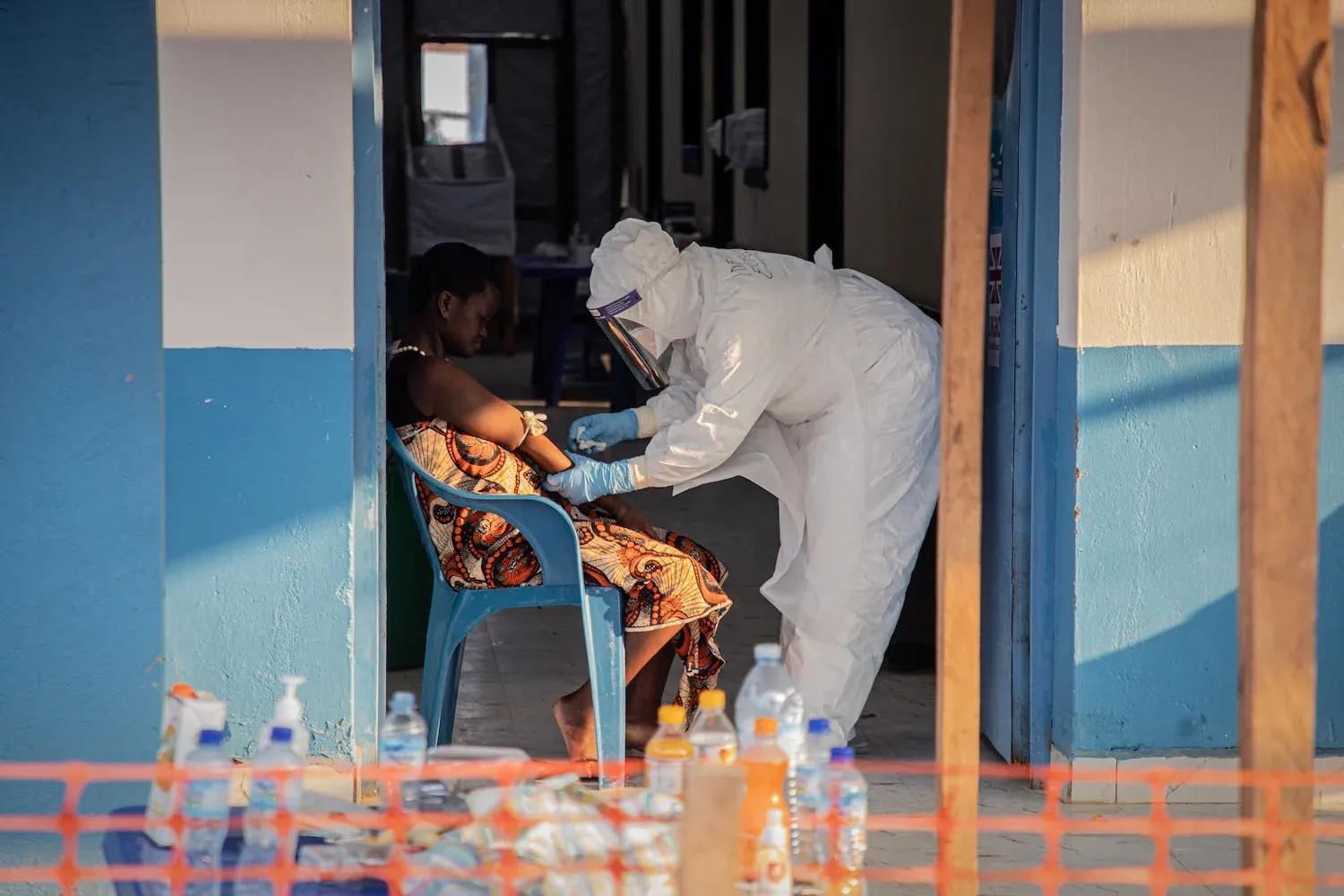
The World Health Organization (WHO) says the Ebola epidemic is “outpacing” response efforts. That gap between what is happening on the ground and what systems can deliver creates immediate operational pressure for decision-makers.
The World Health Organization (WHO) says the Ebola epidemic is “outpacing” response efforts. In plain terms, the disease is moving faster than the people and systems meant to stop it.
For executives and operators, this is the kind of headline that should trigger an internal question fast: are we measuring reality closely enough, and are our response timelines aligned with the outbreak’s actual pace? When the WHO frames an epidemic as outrunning interventions, it is not just describing a public health problem. It is flagging a coordination and execution problem with real consequences, including the risk that response capacity will lag even as caseload pressure rises.
To understand why that matters beyond the immediate crisis, it helps to recognize how public health response typically works. Outbreak control depends on a chain: surveillance and reporting, case management, contact tracing, community engagement, safe logistics for testing and supplies, and protective measures for health workers. Each link can slow down for different reasons. Reporting can lag because communities fear stigma or because data systems are overwhelmed. Contact tracing can stall when staff are scarce. Treatment and protective equipment can become bottlenecks when transport routes, warehousing, or procurement timelines stretch.
When the WHO says the epidemic is “outpacing” response efforts, it is essentially telling decision-makers that at least one link in that chain is falling behind. And because epidemics grow on feedback loops, delays do not just add time, they amplify scale. More spread means more people need screening. More screening means more staffing and supplies. More staffing and supplies means procurement and distribution systems must move faster. If those systems cannot keep up, the gap widens.
This is where governance and incentives enter the picture. In many countries, response efforts involve multiple stakeholders, including ministries, regional authorities, international organizations, NGOs, and sometimes contractors. Funding streams can be cyclical or tied to reporting milestones. Approvals can be slow. Meanwhile, the outbreak is indifferent to bureaucracy. The WHO’s wording is a warning that the usual rhythms of response might be too slow for what is happening.
There is also a regulatory backdrop that often determines how quickly interventions can be scaled. For example, approvals for medical interventions, changes in protocols for care, and cross-border movement of medical supplies and staff often require compliance with local and international frameworks. Even when actors want to move quickly, they may be constrained by rules around safety, procurement, and documentation. In a scenario where the WHO says the outbreak is already outrunning response efforts, regulatory friction becomes more than a paperwork issue. It becomes a risk multiplier.
For investors and board members reviewing enterprise risk, this kind of public health acceleration is a signal that operational disruption can spread through non-obvious channels. Health crises affect labor availability, transportation capacity, and local demand patterns. They can also strain supply chains, because logistics providers and distributors reallocate bandwidth to emergency shipments. Even organizations not directly involved in healthcare can feel the ripple effects through the systems that keep goods moving and people working.
The second-order implication is strategic: the best-prepared organizations treat “speed” as a capability, not a slogan. They build redundancy into supply and staffing. They set up rapid decision processes for when conditions change. They track leading indicators, not just official totals. They practice coordination so that when reality shifts, they can reconfigure fast. The WHO’s statement makes that approach feel urgent, because the outbreak is already moving faster than response efforts.
This story's Key Insights and Take-aways are locked.
Create a free account to unlock Executive Actions for one credit.
Register to UnlockAlways free for Executives Club members. Join the Club
More in Politics

LA County: DOJ's 20,000 'noncitizen' voter list is 'unreliable,' includes U.S.-born
Preliminary review by Los Angeles County election officials finds errors in the federal list, raising the stakes for voter roll integrity ahead of November.

Trump's $1.5B Pentagon chip investment lands in North Carolina
A $1.5 billion defense infusion for North Carolina chipmaking signals a new era of Pentagon-backed reshoring - here's what it means for the industry.

Nigeria confirms first Ebola case in Abuja, a woman just off a Uganda flight
Health Minister Muhammad Ali Pate says the patient flew in from Uganda, putting Africa's latest outbreak on Nigeria's doorstep.