

Wild CEO says influencers were paid up to £1m to promote deodorant on Instagram
A behind-the-scenes look at influencer payments, and what it means for brand risk, compliance, and budgets.

The chief executive of Wild says celebrities were paid up to £1m to advertise deodorant on Instagram. For decision-makers, the disclosure raises hard questions about marketing ROI, transparency, and regulatory scrutiny around influencer ads.
The chief executive of Wild says celebrities were paid up to £1m to advertise deodorant on Instagram. That number is the kind that forces boards to ask a simple question: is this spending buying actual sales, or is it buying permission to be everywhere.
Wild's CEO's point is not just about big cheques. It's about what happens behind the scenes of social media posts. In a typical influencer campaign, the audience sees a polished video, a discount code, maybe a product shout-out timed perfectly to fit the creator's style. What executives rarely see, until something like this comes to the surface, is the full machinery behind the scenes: how much money is exchanged, what gets approved, and how marketing claims are shaped for attention. When the price tag can reach £1m, that machinery is no longer a side project. It becomes a budget line item with legal and reputational consequences.
For leaders, the immediate implication is governance. If influencer payments can scale to £1m for deodorant ads on Instagram, the internal controls around those deals have to scale too. Boards and CFOs should treat influencer marketing less like a creative experiment and more like a paid media channel with disclosure obligations, claim substantiation needs, and brand safety constraints.
Why does this matter now? Because social platforms have become a primary distribution layer for consumer brands. That changes how advertising works in practice. Influencer posts can look like personal recommendations, not ads. Regulators and watchdogs tend to focus on that gap between how content is perceived and how it is paid for. When an influencer is compensated at the high end, the likelihood that the post operates as advertising increases. And when it operates as advertising, the expectations for clarity and compliance typically intensify.
There is also a second-order boardroom effect: incentive structure. If celebrity influencers are paid heavily, the market can shift toward deals that prioritize reach and prestige over measurable performance. Executives then face a recurring dilemma during budgeting cycles. Do you pay for massive audience attention, or do you build a measurement-driven strategy that ties spend to outcomes? The headline number, up to £1m, is a reminder that influencer programs can become “black box” spending if companies do not insist on performance signals and compliance documentation.
Another angle is operational risk. Influencer advertising is collaborative by nature. A brand wants a specific message, but creators control delivery, tone, and editing. When money is large, the tolerances for ambiguity get smaller, because mistakes do not stay small. If disclosures are inconsistent, claims are exaggerated, or targeting creates unintended association, reputational damage can spread quickly. In that world, what happens behind the scenes becomes the difference between a successful campaign and a compliance headache.
For peers running similar marketing programs, Wild’s CEO’s disclosure effectively raises the baseline expectations for what “influencer marketing” includes. It is not just sponsored content and creative direction. It is contracting, payment mechanics, approvals, disclosure discipline, and the ability to defend what was said and why. Leaders should assume that regulators, media, and consumers will increasingly treat influencer campaigns like conventional advertising, even when the packaging looks like lifestyle content.
Finally, there is strategic stakes beyond any one brand. When influencer payouts can reach £1m for a deodorant promotion on Instagram, it signals how competitive attention has become. It also signals how quickly boards are likely to demand accountability for spend. If your organization is betting that influencer marketing is the fastest route to growth, the other side of that bet is scrutiny. And in 2026, scrutiny is not a future problem. It is part of the operating environment, right alongside the algorithm.
This story's Key Insights and Take-aways are locked.
Create a free account to unlock Executive Actions for one credit.
Register to UnlockAlways free for Executives Club members. Join the Club
More in Business

Epic and Google drop settlement bid, forcing rival Android app stores by July 22
Google told the court it is ready to carry third-party app stores starting Wednesday, July 22.
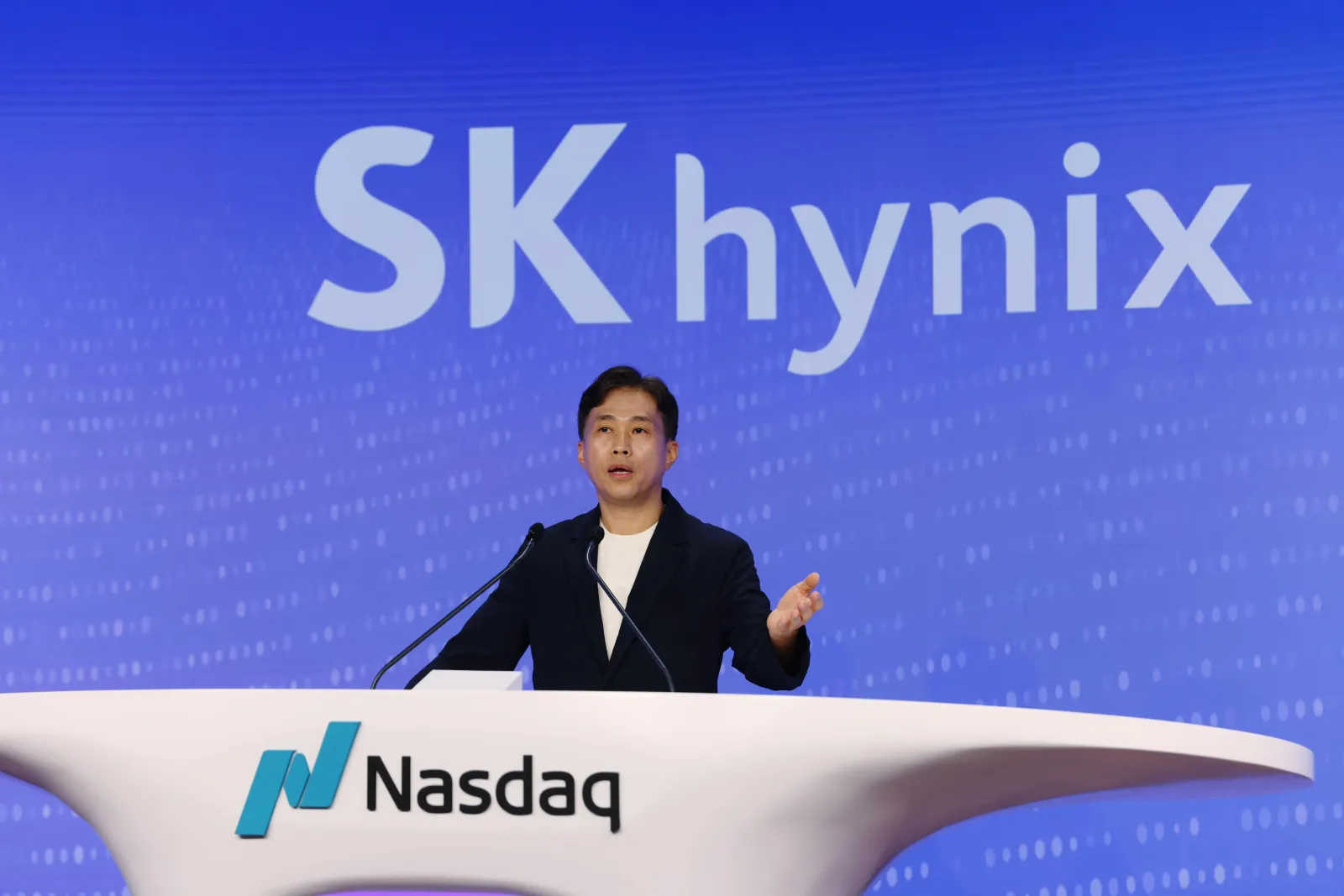
SK Hynix opens at $170, raises $26.5B, and tops foreign IPO records
In Friday's Wall Street debut, SK Hynix turns AI RAM demand into a $26.5B fundraising moment that rewrites comps.

China lands a reusable Long March booster, a first that matches SpaceX and Blue Origin
A barge landing and net-based recovery move China from theory to proof, reshaping the reusability race and satellite ambitions.