

Williams Sonoma, TJX route tariff refunds into worker bonuses and 401(k)s
Two retailers are handing part of the $100 billion tariff-refund windfall to employees, signaling a new use for the cash after tariffs squeezed jobs and pay.
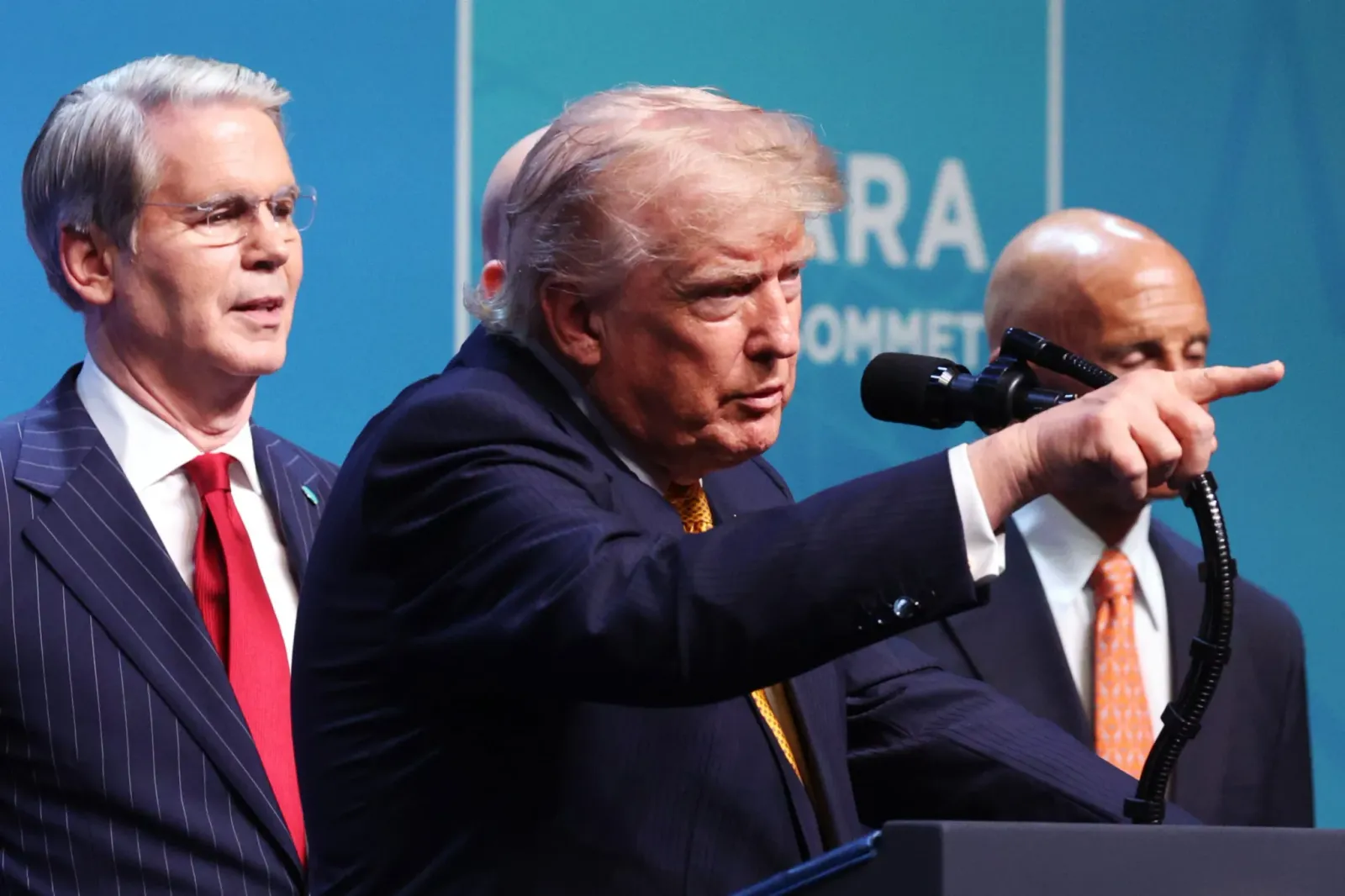
Williams Sonoma and TJX are allocating portions of their tariff refunds to employee 401(k) payments and bonuses, following USTR Jamieson Greer's public call for companies to share the windfall. The move highlights how businesses are using the $100 billion Treasury payout to retain workers after tariffs slowed hiring and wage growth.
Williams Sonoma and TJX are bucking the playbook on tariff refunds: instead of only cutting prices or paying down debt, they are handing cash straight to their workers. Williams Sonoma said in its second-quarter earnings report that it will allocate $10 million for one-time 401(k) payments to eligible employees "in recognition of their efforts navigating the IEEPA tariffs." TJX, which received $331 million in total tariff refunds, accrued $112 million for year-end incentive compensation and discretionary bonuses for eligible associates globally. Together, these moves turn a slice of the more than $100 billion the U.S. Treasury has refunded to importers since May into a retention tool, not just a balance-sheet repair fund.
The idea was planted by a top trade official. In March, shortly after the Supreme Court struck down President Trump's International Emergency Economic Powers Act (IEEPA) tariffs, U.S. Trade Representative Jamieson Greer told CNBC that if companies get this windfall, "the most important thing and the smartest thing they should do is give it as bonuses to their workers." Williams Sonoma's CEO Laura Alber echoed that sentiment on an earnings call: "We're so appreciative to have the money back and to be able to reward our employees with part of it. They have done such an amazing job." The decision to pay employees rather than consumers is notable because Federal Reserve research showed American companies and consumers were the ones shouldering the brunt of tariff costs. Walmart and FedEx have promised to offset tariff-related inflation through lower prices or direct rebates, but the retailers' worker-first approach signals a different calculation about who absorbed the pain.
The refunds flow from a legal reversal. The Supreme Court's decision in March invalidated the IEEPA tariffs, forcing the Treasury to return duties collected since their imposition. That repayment, now exceeding $100 billion, gives companies a rare cash infusion after a year in which tariffs hit their workforce directly. Manufacturing jobs in the U.S. shrank by more than 100,000 during the first year of Trump's second term, undercutting the administration's stated goal of reshoring. Laura Ullrich, director of economic research at the Indeed Hiring Lab, told Fortune that heightened uncertainty around tariffs and supply chains makes it "difficult for businesses and people to make decisions in real time," slowing employment and other processes. Pantheon Macroeconomics analysts Samuel Tombs and Oliver Allen argued that companies slashed raises to maintain margins while the tariffs were in place, suppressing wage growth.
So when the refunds landed, the calculus shifted. Alex Durante, senior economist at the Tax Foundation, explained that companies have multiple margins to adjust to tariffs: pass costs to consumers, reduce investment, cut hiring, or trim compensation. Giving workers a cut of refunds, he said, is "just perhaps another way of thinking about that." Instead of lowering prices amid ongoing tariff uncertainty, Durante suggested companies are asking: "What are some better ways we can retain our employees and incentivize them to want to stay with us or to want to want to work for us?" That framing turns a one-time government refund into a strategic HR move, especially in a labor market where retention and morale are competitive advantages.
Greer's original rationale for directing refunds to workers was tied to the tariffs' stated purpose. "The whole reason the president imposed these tariffs was to try to reshore, affect our massive imbalance in trade that we've experienced over many years because of China, Vietnam, the EU and others," he said. "If the companies are going to get this windfall, they should pass it along to their workers as a bonus or a raise, because that's the purpose of the program." The reality, though, is that the tariffs appear to have had the opposite effect on reshoring, with manufacturing employment falling. That contradiction makes the worker bonus move a pragmatic response: companies get to show good faith to employees who endured tariff-related uncertainty, even if the policy's macro goal failed.
For executives watching from the sidelines, the Williams Sonoma and TJX choices offer a template for handling unexpected cash inflows from government reversals. The refunds are a one-time event, so deploying them into 401(k) contributions and bonuses creates immediate goodwill without locking in permanent salary increases. But there is a longer-term consideration: economists have found evidence that tariffs will lead to longer-term reductions in stock prices, from about 7.33% to 10.13% across indices within the next couple of years. As Durante put it, "It is the case, absolutely, that tariffs do impact capital, and thus the equity markets." That means employees' retirement accounts, which took a hit from tariff-driven market declines, now get a direct boost from the refunds. For boards and CFOs, the lesson is that windfall allocation is a signal: choose where the cash lands, and you signal whose pain you recognize. Williams Sonoma and TJX chose their people, and in doing so, they may set a new expectation for what companies do when the government hands money back.
This story's Key Insights and Take-aways are locked.
Create a free account to unlock Executive Actions for one credit.
Register to UnlockAlways free for Executives Club members. Join the Club
More in Business
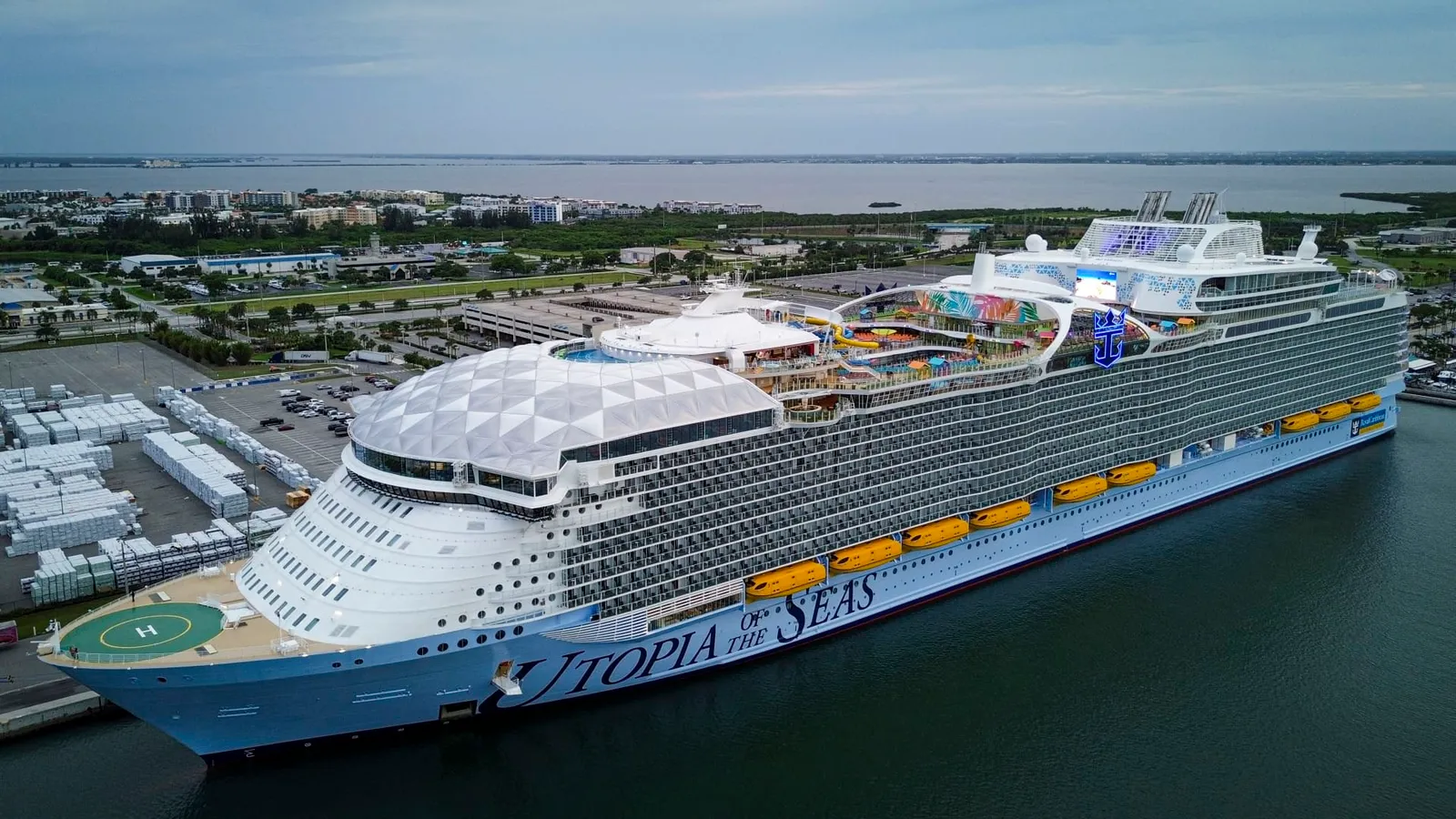
Royal Caribbean just spent $3B to own half of Sandals
The cruise giant is buying a 50% stake in the all-inclusive resort chain for $3 billion, a bet that land-based vacations are the next growth engine.

Paramount's Ellison: Merger Clearance Done, WBD Deal by Oct 1
David Ellison says the Paramount-WBD merger has full clearance after settling with state AGs, clearing the path for an October 1 close.
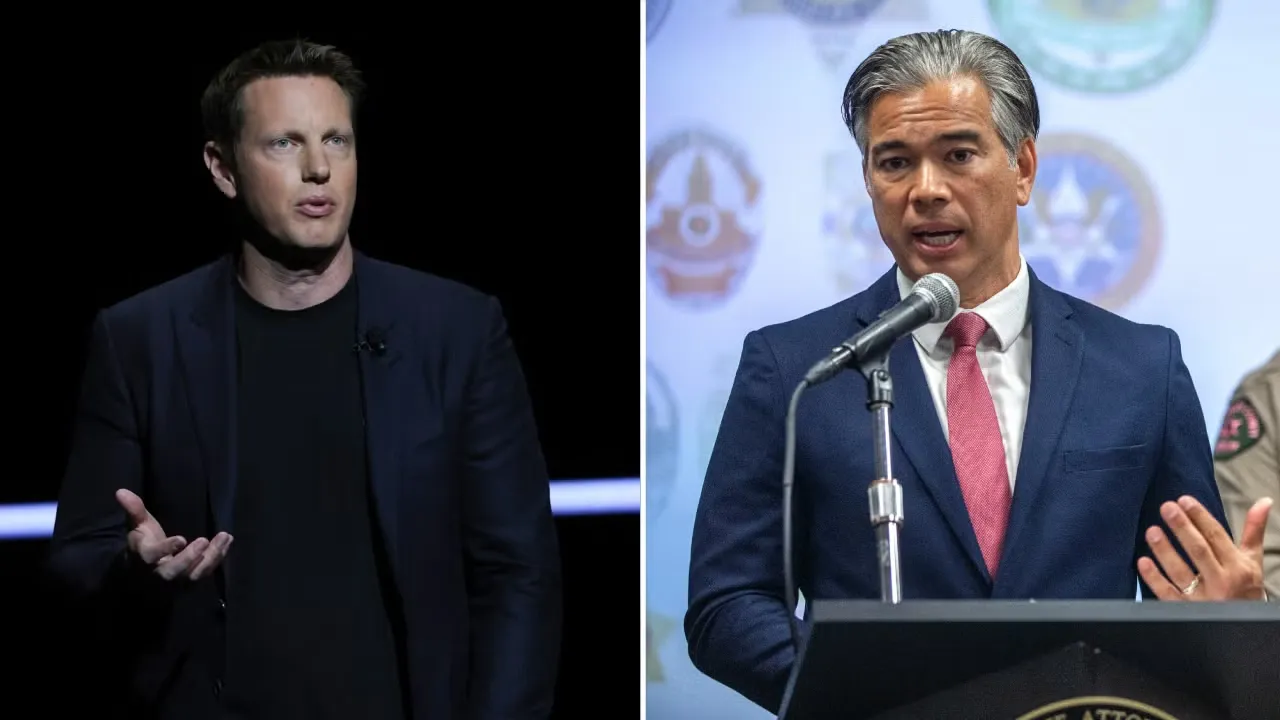
Paramount settles with 12 states, $110B Warner merger clears final hurdle
David Ellison's studio avoids a March trial and a $7M-a-day ticking fee by settling with state AGs over local job losses.