
Windows 11’s June update adds low-latency mode, faster search, and hundreds of security fixes
Microsoft’s June patch for Windows 11 is small on paper, but big for latency-sensitive work, search speed, and risk.
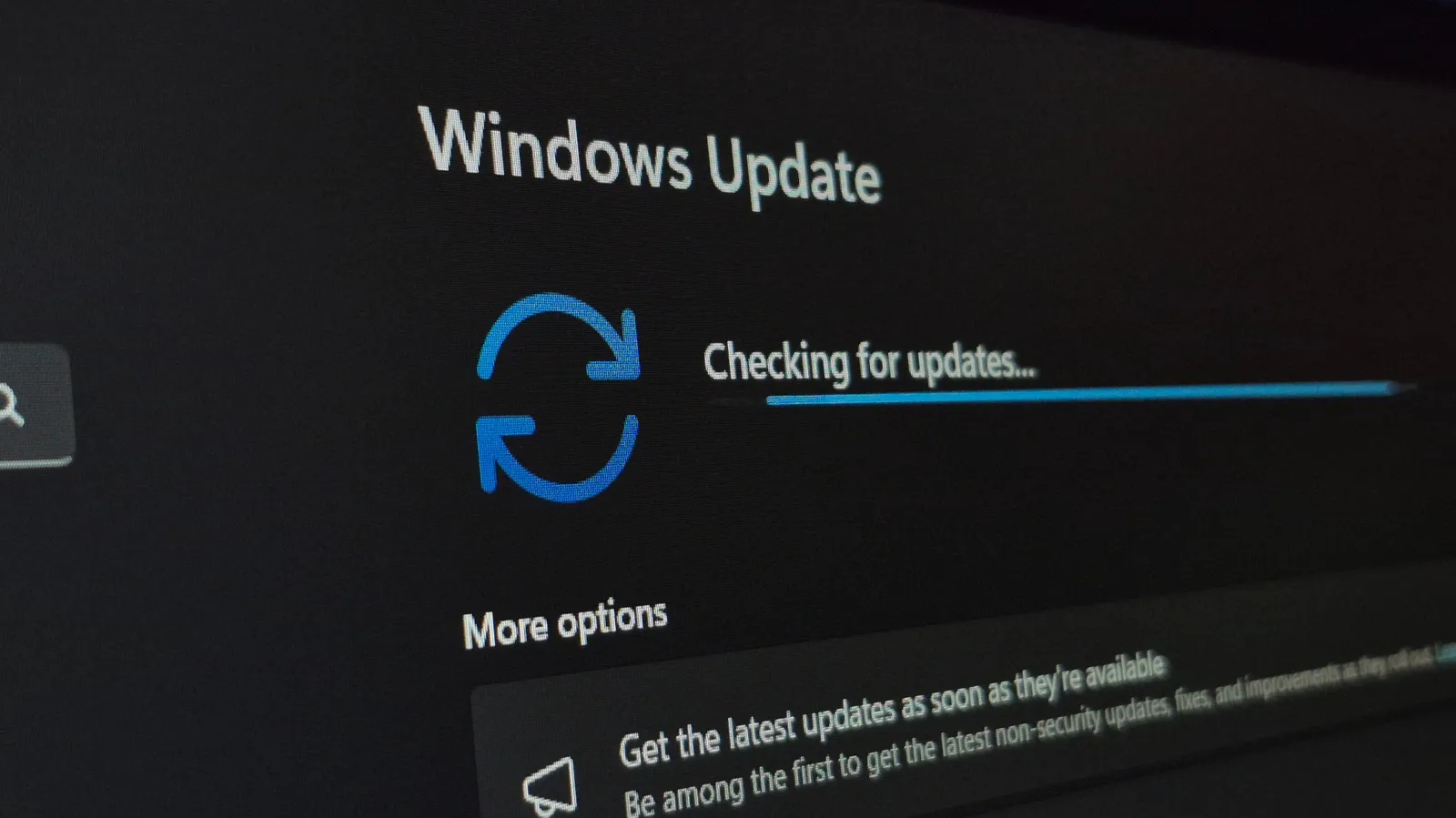
Windows 11 is getting a June update that adjusts performance for lower latency, speeds up search, and patches hundreds of flaws. For decision-makers, the update changes both user experience and the security posture that boards rely on when weighing upgrade timelines.
Windows 11’s June update is the rare software change that hits three executive pain points at once: performance feel, day-to-day productivity, and security exposure. According to Engadget, the update brings a low-latency profile, speeds up search, and patches hundreds of flaws. In other words, this is not just “more polish.” It is a combined experience and risk patch, delivered in the kind of routine cadence that usually only makes headlines when something breaks.
Let’s translate that into what matters for leaders. Low latency is the difference between “works fine” and “feels instant,” especially for tasks where responsiveness is a requirement, not a luxury. Faster search affects the time cost of everything that runs through Windows search, from locating files to finding settings, and time cost is what turns small speed improvements into measurable productivity gains across a workforce. And patching hundreds of flaws is the part security teams care about most, because every newly fixed vulnerability is a potential door that gets locked before it becomes a real-world breach.
If you manage IT, security, or operations, you already know the typical upgrade dilemma. Windows updates arrive on a schedule, but the organization’s tolerance for change is not. Even when a patch is labeled “improvements,” it still means testing, rollout planning, and the perennial fear that the update will collide with an internal tool or a driver. What makes this particular June update worth attention is that it is simultaneously addressing performance and security. That means you can justify testing not just as “staying current,” but as reducing two categories of friction: how quickly systems respond and how safely they are protected.
Now zoom out to the broader context. In modern enterprise and regulated environments, security patching is increasingly treated like operational compliance. Boards and auditors want evidence that known vulnerabilities are managed on realistic timelines, not “someday.” A patch that explicitly says it fixes hundreds of flaws gives security teams a clear narrative: this is not a cosmetic update, it is a broad vulnerability remediation. That can strengthen internal risk conversations, because it ties directly to the board-level question: “Are we reducing known exploit opportunities?”
There is also a governance layer that is easy to overlook. When vendors ship security fixes in the background of performance improvements, it can complicate internal decision-making if you are trying to isolate variables. However, it also helps when stakeholders are arguing for prioritization. If operations teams want speed, and security teams want risk reduction, a combined update gives you something rare: a single change you can push as serving both. That tends to reduce internal politics and speeds up approvals, especially when leadership is operating with finite bandwidth for testing and deployments.
Second-order impacts are where these updates start to matter beyond the immediate changelog. First, improved search can reduce reliance on workaround habits. If employees can find files and settings faster, you often see fewer “shadow” processes, like saving things in redundant places because the original location becomes hard to navigate. Second, low-latency behavior can change how power users perceive the system. In teams running interactive workflows or time-sensitive tasks, perceived responsiveness can affect satisfaction, which affects adoption of the platform itself. And third, patching hundreds of flaws is not just a security team win. It also reduces the odds that incident response teams get pulled into emergencies, which is one of the highest-cost disruptions you can plan for.
So what should leaders do with this information? Start by treating the June update as both a performance and security event, not a “maintenance checkbox.” That means aligning stakeholders early, getting test coverage for the performance-sensitive scenarios you actually use, and confirming that the security remediation aligns with your vulnerability management workflow. If your organization has delayed updates because of testing drag, this is exactly the kind of release that can justify a deliberate, time-boxed rollout, since the improvements are not purely hypothetical.
The strategic stakes are straightforward: Windows is the operating system backbone for a huge portion of the modern business surface area, and updates change both the user experience and the threat landscape. When an update delivers low latency, faster search, and hundreds of flaw patches in one package, it gives decision-makers a rare opportunity to reduce operational drag while tightening security posture. Ignore it, and you keep latency and search friction longer, and you keep open a wider gap of known vulnerabilities for longer. Roll it out thoughtfully, and you get a cleaner baseline that is easier to manage, defend, and rely on across teams.
This story's Key Insights and Take-aways are locked.
Create a free account to unlock Executive Actions for one credit.
Register to UnlockAlways free for Executives Club members. Join the Club
More in Technology

OpenAI says 10,000 agents cracked a 90-year math problem in 88 hours
The company's claim is audacious, but one mathematician is pushing back. Here's what it means for AI-driven discovery.
Meta still serves child sexual abuse ads on Instagram in India - BBC report
A new report following the BBC Eye investigation says the ads are still there - what it signals for every platform with a self-serve ad engine.
White House yanks 'Build the Wall' game after Tetris Company copyright warning
The administration's arcade game vanished in hours - and the takedown playbook every brand can learn from.