

Wired vows to fight MSG’s “baseless” defamation suit over gay celeb surveillance report
TheWrap reports Wired says it will “vigorously defend” itself while MSG seeks retraction, correction, and damages.

Wired says it stands by its reporting and plans to “vigorously defend” itself after Madison Square Garden sued the outlet for defamation. The dispute turns on a Wired story alleging MSG surveilled gay celebrity fans and assigns them “risk scores,” and it raises high-stakes questions for media, platforms, and boards facing data and defamation risk.
Madison Square Garden has sued Wired for defamation, and Wired’s leadership is already pushing back, calling the lawsuit “baseless” and vowing to “vigorously defend” itself. In a statement posted Thursday evening on X, Wired said it learned MSG was suing it “for accurate reporting,” and added, “We stand by this reporting, and plan to vigorously defend it against this baseless and ridiculous lawsuit.”
The Wired-MSG fight centers on a July 9 Wired article titled “Madison Square Garden Kept a List of Gay Celebrities.” That piece alleged the venue kept a secret database of celebrities, assigning “risk scores” and allegedly cataloguing race, gender, and sexual identity, with dozens categorized as “LGBTQIA.” MSG says that narrative is wrong and asks for major remedies, including a retraction and correction, plus damages.
So why does this matter beyond the headlines? Because this is exactly the kind of case where legal risk, data handling practices, and editorial process collide in public, and the collision can spread. The source reports that MSG accused Wired of using stolen data “to manufacture a false narrative portraying MSG as targeting the LGBTQIA community for discriminatory purposes.” MSG’s argument is not just “we disagree.” It is a direct challenge to the reporting method, including claims about the origin and integrity of the underlying information.
Wired’s response comes after MSG’s suit surfaced Thursday. Wired’s leadership framed the lawsuit as an attack on accuracy itself: it said it learned MSG was suing it “for accurate reporting.” That is a high bar and a clear rhetorical stance. Wired also said it “look[s] forward to continuing our coverage of MSG,” and tied this case to broader accountability responsibilities, writing that holding power to account is “the critical job of journalist, now more than ever.”
MSG’s defense, as described in the source, is detailed and strategic. The company called MSG “a fervent supporter of the LGBTQIA community with a long history of inclusion, not exclusion.” It further contended that the list in question was “created by the reporters themselves through their own manipulation of raw data.” That is a classic dispute shape in defamation and investigative reporting cases: even if certain data points exist, the plaintiffs argue the framing is misleading or the conclusions are improperly constructed.
But MSG also acknowledged something that complicates the dispute. It noted that some of the data was hacked from a “standard customer relationship management platform,” which the company described as being used for purposes such as extending invitations to LGBTQIA support events, identifying sales and sponsorship opportunities, and facilitating charitable donations and community outreach. In other words, MSG is not only fighting the “surveillance” narrative. It is also arguing that the data was pulled from a CRM system tied to outreach and business development, and that the way Wired presented or interpreted it crossed a line.
From a governance standpoint, these details are the kind that boards and executives lose sleep over. The source reports that Wired alleges MSG kept a list and assigned “risk scores,” while MSG pushes back by disputing both intent and methodology, including the claim that reporters manipulated raw data. When litigation involves questions like how data was obtained, how it was transformed into categories like “LGBTQIA,” and how “risk scores” were interpreted, the issue becomes not only whether a statement was accurate, but whether the editorial construction was fair, defensible, and legally protected.
There is also a second-order implication: reputational contagion. Even before a court rules, a defamation suit can reshape how audiences, partners, and employees interpret a company’s behavior. For MSG, the claim that it targeted the LGBTQIA community for discriminatory purposes is existential reputationally because it calls into question values, compliance, and community trust. For Wired, the claim of using stolen data hits credibility. For other media outlets, this becomes a template for fear: what happens when reporting relies on data sources that can be characterized as hacked, and when plaintiffs argue the journalism is “manufacture” rather than discovery.
Zoom out, and the case highlights why data security, consent, and sourcing are now board-level issues. A CRM platform used for invitations, sales and sponsorship opportunities, and community outreach is ordinary in business terms, but the story argues it became something else when extracted, reclassified, and publicized. This kind of conflict often forces leaders in media, tech, and regulated industries to tighten processes around verification, terminology, and documentation. For investors and executives watching the media economy, it is also a reminder that the cost of information is not just financial. It is legal exposure, brand equity, and platform risk, all arriving at once.
Ultimately, the strategic stake is straightforward. Wired says it will fight a “baseless” lawsuit and stand by its reporting; MSG says the report is a false narrative built on stolen information and wants retraction, correction, and damages. Whoever is right, the case will likely become a reference point for how investigative outlets handle sensitive categories, how companies describe their data usage, and how courts evaluate the line between reporting and defamation. If you sit on a board, run a newsroom, or oversee product analytics, the lesson is hard: once data becomes a story, the legal and ethical questions do not stay in the background.
This story's Key Insights and Take-aways are locked.
Create a free account to unlock Executive Actions for one credit.
Register to UnlockAlways free for Executives Club members. Join the Club
More in Business

Uber buys Delivery Hero for nearly $15B, vaulting to top food delivery outside China
The deal doubles Uber's dual-services footprint and pushes a ride-and-eats bundling play into 50 more markets.

Epic and Google drop settlement bid, forcing rival Android app stores by July 22
Google told the court it is ready to carry third-party app stores starting Wednesday, July 22.
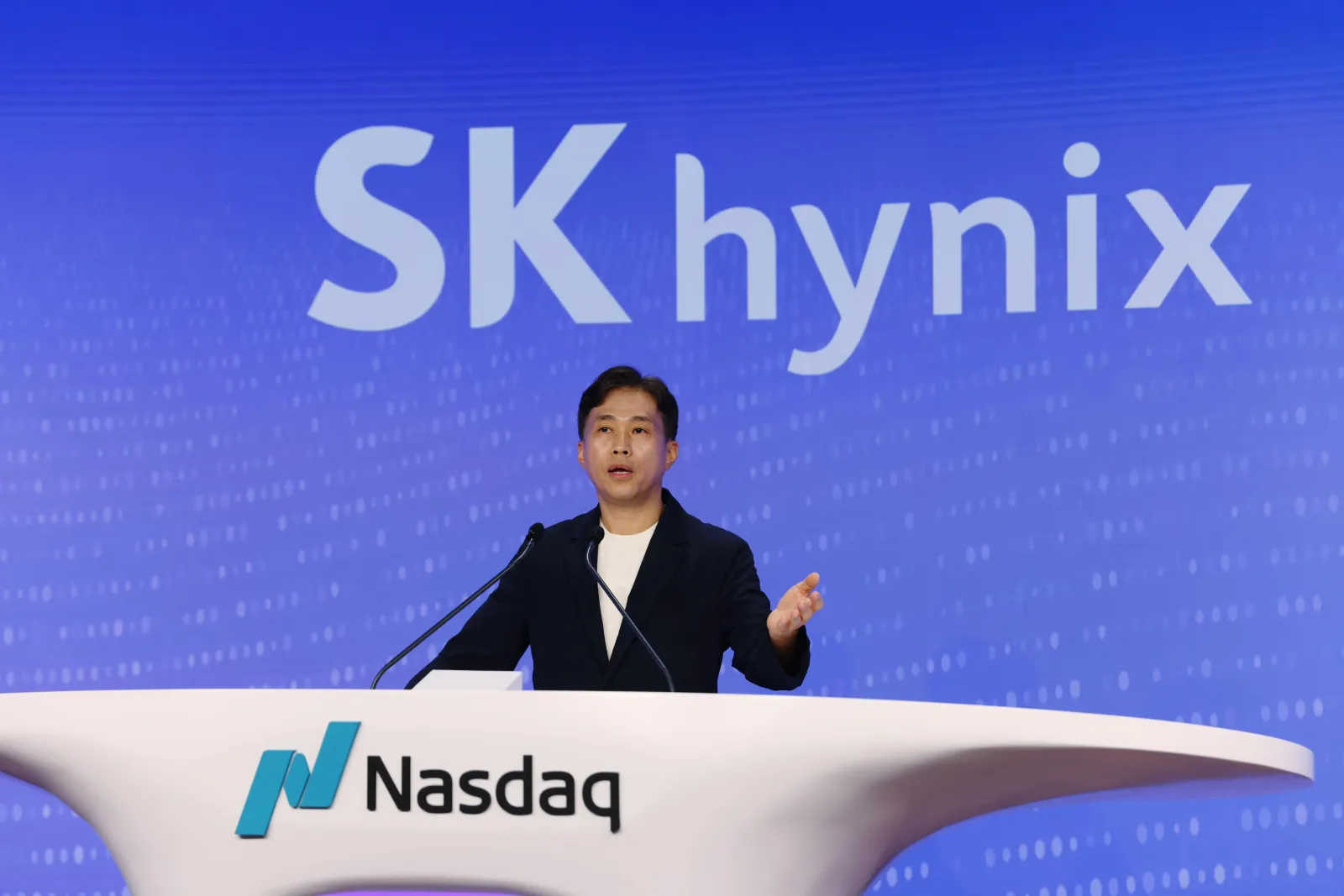
SK Hynix opens at $170, raises $26.5B, and tops foreign IPO records
In Friday's Wall Street debut, SK Hynix turns AI RAM demand into a $26.5B fundraising moment that rewrites comps.