
Wix CEO Avishai Abrahami says AI gets “too much credit” for jobs and coding
Abrahami doubts AI will replace employees, citing mistakes, limits, and Wix's own Base44 investment results.
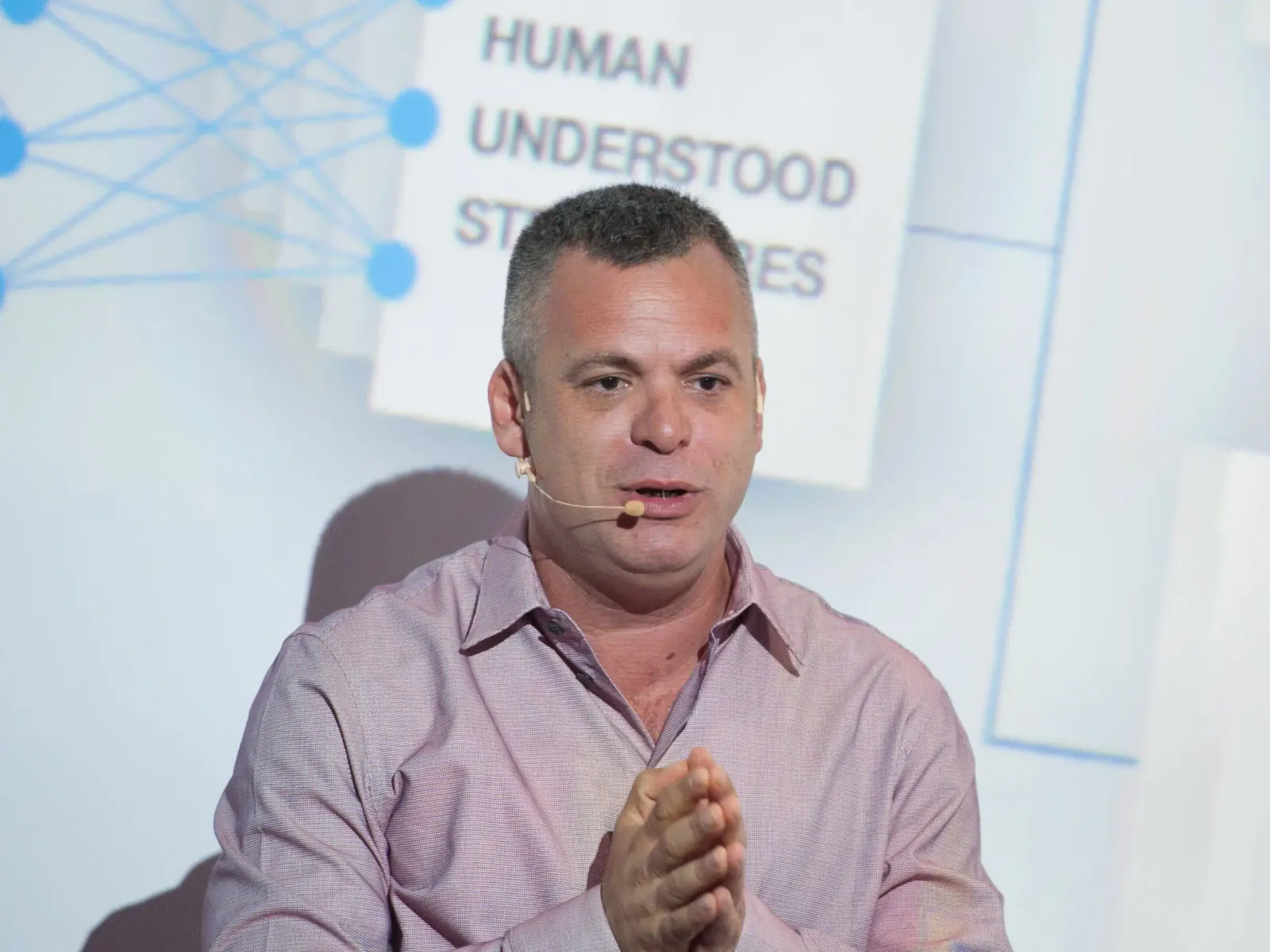
Avishai Abrahami, CEO of Wix, criticized AI hype on the “20VC” podcast released on Monday, saying AI gets “too much credit” and is not reliably capable at detailed tasks. For executives, it reframes the AI race as a practical engineering problem, not a guaranteed labor-and-revenue reset.
Avishai Abrahami, CEO of Wix, is pushing back against the idea that AI is about to eat software and jobs alive. On the “20VC” podcast episode released on Monday, the web design company’s CEO said AI gets “too much credit” and that he is “not so sure it is possible” for AI agents to fully replace human teams across Wix and its vibe-coding platform Base44.
That is not a vague take. Abrahami went directly after the core claim many investors are pricing in: that AI can replace white-collar work. He said he is not prioritizing swapping human customer support with AI, and he cast doubt on LLMs replacing every kind of white-collar jobs because “it keeps making silly mistakes” and “it’s not very good.” If you are an exec watching your AI roadmap turn into a board-level requirement, the subtext is blunt: hype is cheap, accuracy is hard, and the gap shows up fast at “detailed levels.”
Wix has been living through the kind of market skepticism that makes these debates feel personal. The company’s shares have fallen almost 50% this year as investors question whether AI-powered website builders will erode Wix’s core business, in the context of broader “SaaSpocalypse” fears about software being disrupted. Yet Abrahami said Wix’s experience is more complicated than a simple AI versus no-AI story. He framed Wix as having a unique position versus other software providers: while investors punish the stock on the AI threat narrative, Wix reported double-digit revenue growth from Base44.
Base44 is central to how Abrahami grounds his argument. Wix acquired the vibe-coding platform Base44 for $80 million last year, and Abrahami said the company has invested $200 million into the platform. That means he is not dismissing AI coding from a distance. He is describing what happened when you try to ship it at product depth, including the messy parts that most AI demos skip.
His examples are about friction, not sci-fi. “You try to build anything very complicated, it’s hard when you're trying to do visual editing,” he said, adding, “It's really annoying.” Then he delivered the line executives should underline: “You're not going to vibe code Shopify no matter how good you are.” The implication is that “vibe coding” may work for narrow cases or guided experiences, but the leap to fully automated, general-purpose software creation is where systems get brittle. For product leaders, this is a reminder that usability and correctness are intertwined. Visual editing plus complex requirements is a worst-case environment for automation.
Abrahami also tied his skepticism to the customer support layer, where AI is often pitched as a near-term cost saver. He said the company tried several times to buy AI customer support systems, but had to build its own after being disappointed with off-the-shelf options. In other words, even if there are vendor tools, they were not good enough for Wix’s needs, so Wix absorbed the engineering and operational work itself. He then explicitly said he is not concerned about LLMs replacing every kind of white-collar jobs and reiterated that AI struggles in practice: it keeps making “silly mistakes” and lacks the intelligence needed to be broadly reliable.
Zoom out, and his comments fit the broader AI governance conversation happening inside companies and on investor calls. Boards are trying to answer whether AI should be treated as a strategic wedge, a productivity layer, or a disruptive threat to the existing software model. Abrahami’s stance suggests Wix is modeling AI as an incrementally useful capability that requires iteration, not as an instant replacement of headcount or a universal interface for coding.
The most telling part is how he described the vision he does not think is coming. He said he would love to believe that in three years there will be a thousand people in Base44 and a thousand people in Wix, with “everything else” handled by AI agents, but he is “not so sure it is possible.” That is the tension: companies need AI to stay competitive, but leaders also have to defend the operational reality of building reliable products and support systems.
For executives at other SaaS businesses, the stakes are straightforward. If AI is not ready to fully replace teams or handle complex tasks without errors, then cost-cutting narratives built on guaranteed automation may misprice risk. If, at the same time, AI-driven builders still attract users and pressure incumbents, then the competitive response cannot be denial. It has to be what Wix is already doing, according to Abrahami: invest, test in real workflows, and build when packaged solutions fall short.
This story's Key Insights and Take-aways are locked.
Create a free account to unlock Executive Actions for one credit.
Register to UnlockAlways free for Executives Club members. Join the Club
More in Business
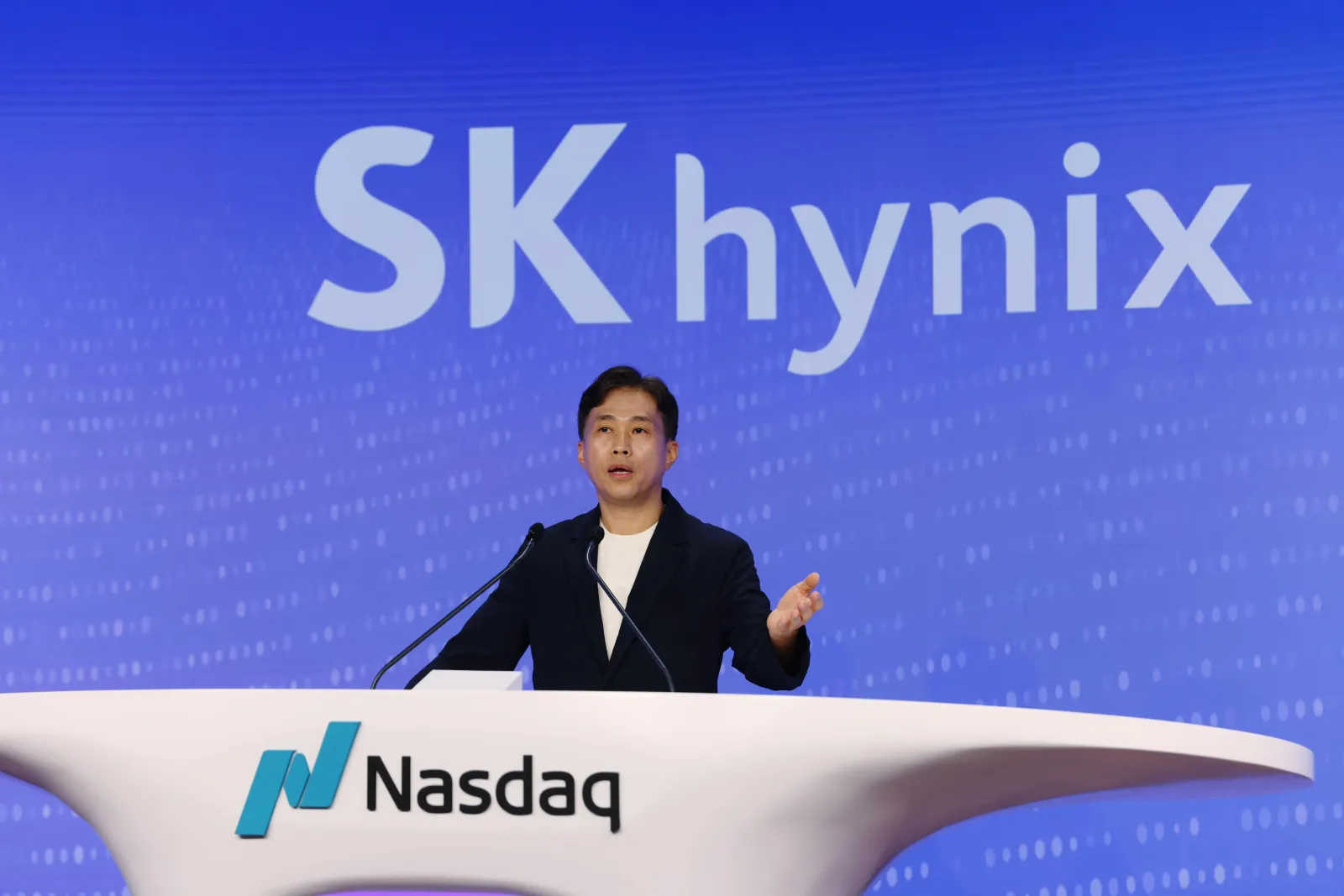
SK Hynix opens at $170, raises $26.5B, and tops foreign IPO records
In Friday's Wall Street debut, SK Hynix turns AI RAM demand into a $26.5B fundraising moment that rewrites comps.

China lands a reusable Long March booster, a first that matches SpaceX and Blue Origin
A barge landing and net-based recovery move China from theory to proof, reshaping the reusability race and satellite ambitions.

AstraZeneca $27B wipeout as Wainua late trial misses cardiovascular target
A failed late-stage heart study triggered a swift market punishment, forcing investors and boards to reset timelines and risk.