
Wu Qing says Hong Kong could soon trade yuan treasury bond futures
Beijing signals support for five-year yuan-denominated futures, aiming to make long-term yuan investing easier offshore.
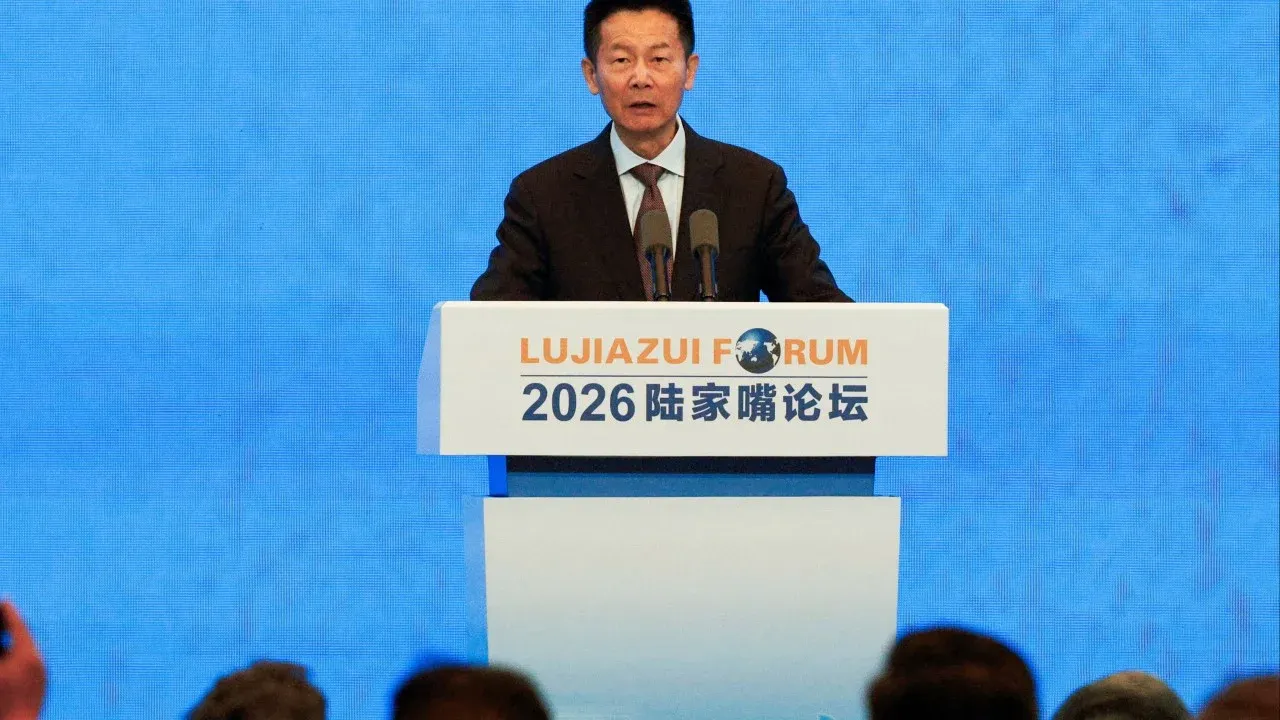
Wu Qing, chairman of the China Securities Regulatory Commission (CSRC), said Beijing would support Hong Kong launching five-year treasury bond futures. The move could shift how overseas investors gain exposure to long-term yuan assets through Hong Kong markets.
Wu Qing, chairman of the China Securities Regulatory Commission (CSRC), is signaling a very specific next step for Hong Kong's markets: the city could soon begin offering trading of yuan-denominated treasury bond futures. That is not a vague “support for Hong Kong” headline. It is about adding a new tool to the offshore yuan toolkit, and doing it via one of the most important capital markets products for institutions that manage long duration risk.
According to the report, Beijing would support Hong Kong launching five-year treasury bond futures in the near term. The practical intent is clear: make it easier for overseas investors to put long-term asset allocations into yuan assets. Futures matter because they are not just “trading products.” They are hedging and positioning instruments. For foreign asset managers, that usually translates into a smoother path from “interest in yuan exposure” to “ability to express that view with defined risk.”
To understand why this matters, zoom out one layer. Hong Kong has been built as a bridge market, especially for the offshore yuan. When Beijing talks about support, it often means reducing frictions that prevent global investors from acting. Bond futures are one of those frictions reducers. If you can trade a standardized contract linked to a government bond benchmark, you can more easily manage the spread between what you want and what you can safely hold.
The CSRC is the key regulator in China’s securities ecosystem, and Wu Qing is framing this as a near-term expansion rather than a long, vague plan. That regulatory posture matters for how quickly market participants can plan. Institutions do not schedule their balance sheets around announcements; they schedule them around the moment a product becomes tradable, liquid enough to matter, and operationally integrated into systems.
So what changes when Hong Kong can offer yuan-denominated treasury bond futures, specifically with a five-year tenor? Five years sits in the long end of the curve but is still within the range where many allocators plan staged exposure. It gives investors a cleaner way to express a view on medium-to-long duration yuan rates without needing to transact in large amounts of cash bonds. And because futures can be used for hedging, the product can also appeal to players who want yuan interest rate exposure while limiting foreign exchange and rate risks.
There is also a competitiveness angle. If Hong Kong is expanding its futures menu, it is strengthening its role as a financial plumbing layer for offshore yuan capital. For Beijing, that is a strategic priority because the more deep and tradable the offshore market is, the more efficient cross-border risk management can become. For Hong Kong, it is about reinforcing its status as a global hub for the offshore yuan, with new products that keep global investors coming back for more than just spot transactions.
None of this is happening in a vacuum. Hong Kong already sits at the intersection of international finance and Chinese market development, so each regulatory product expansion is read as a signal about where liquidity and integration are headed next. When Beijing’s top market regulator points to “near term” support for a specific contract type and tenor, the market tends to treat it as directionally actionable, even before the full operational details land.
For executives, the second-order implications are less about hype and more about positioning and risk architecture. New yuan-denominated treasury bond futures could influence how boards think about treasury policies, market-making economics, and hedging frameworks across subsidiaries or investment mandates. If you run a fund or a desk that must track exposures across currencies and durations, a new futures contract can change the cheapest path to risk reduction. It can also create new trading and arbitrage strategies, particularly around the relationship between cash bond pricing and derivative pricing.
The stake for decision-makers is straightforward: if Hong Kong becomes a more efficient venue for overseas long-term yuan exposure, capital may flow with fewer operational hurdles. That can strengthen Hong Kong’s role as an offshore yuan hub and, at the same time, increase competitive pressure on other offshore venues to offer comparable derivative access. Wu Qing’s announcement is therefore not just about futures. It is about who gets to control the route global investors take to express long-term views on yuan rates.
This story's Key Insights and Take-aways are locked.
Create a free account to unlock Executive Actions for one credit.
Register to UnlockAlways free for Executives Club members. Join the Club
More in Business

SpaceX stock jumps 3% after it overtakes Amazon’s market cap
CNBC says SpaceX’s shares surge following its IPO Friday, forcing investors to reprice what “space” and “AI” are worth.

SpaceX’s first options day breaks U.S. records after a $85B IPO win
Big IPO, bigger options debut: what it means for investors, risk teams, and anyone benchmarking market appetite.

SpaceX buys Cursor for all-stock $60B, signaling Elon Musk’s next AI move
SpaceX exercised its option for Cursor in an all-stock deal worth $60 billion, reshaping AI dealmaking expectations.