

Xbox UK prices jump 34%-49% after company finally confirms Europe hardware hikes
The revealed numbers show how much the latest Xbox hardware price increases have already hit UK buyers and planning.
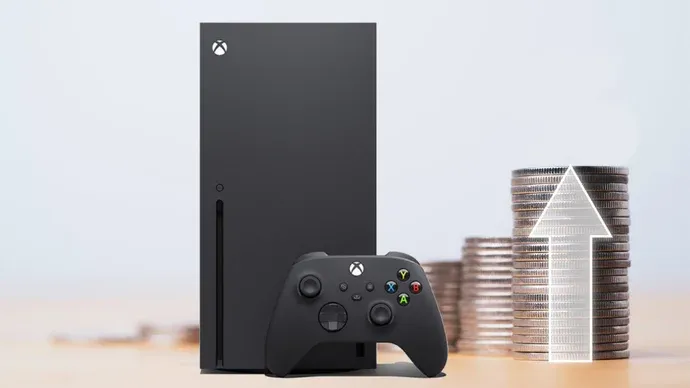
Xbox has finally revealed the price hikes recently rolled out across its hardware in the UK and across Europe. The disclosed UK console prices are now between 34% and 49% more expensive than last month, forcing retailers, finance teams, and product planners to rework demand assumptions fast.
Xbox has finally revealed the price hikes that were already rolling out across its hardware. In the UK, the company says Xbox consoles are now between 34% and 49% more expensive than they were last month.
That spread matters because it is not a small nudge. A 34% increase can be the difference between “maybe later” and “we wait.” A 49% increase is a near-reset for discretionary spending, and it lands at the exact moment customers are comparing options, checking deals, and deciding which console generation is worth the upgrade.
For decision-makers inside gaming companies, this is the kind of move that creates immediate ripple effects in budgeting and forecasting. When console prices change, the whole sales motion changes with them: retailer margins, promotion calendars, trade-in expectations, and even how quickly gamers who missed prior discounts can justify paying full price. And because the increase is being framed as already “rolled out” while the official reveal is coming “finally,” it also changes the trust dynamic with customers and partners who may feel they were acted on before they were fully informed.
Even if you ignore the headline numbers, Europe is structurally sensitive to pricing. Currency swings, distribution costs, and local tax realities can turn a hardware vendor’s best intentions into a customer-facing sticker shock. When a company then confirms that the UK price has moved by a range as wide as 34% to 49%, it signals that this is not just a rounding adjustment. It suggests a more comprehensive repricing across configurations, storage tiers, bundles, or versions tied to the products that went out into the channel.
There is also a regulatory and compliance angle that sits underneath the consumer impact. In the EU and UK markets, price communication and consumer-facing transparency are not just “good practice.” They shape how retailers advertise, how customers interpret value, and how marketplaces handle promotions. If price increases are felt abruptly, regulators and consumer protection bodies become more likely to scrutinize whether customers were given clear, timely information on the new pricing structure and what exactly changed.
From a board-level perspective, the second-order effect is demand elasticity. Consoles do not sell like phones. The purchasing decision is tied to household budgets, game libraries, and the perceived lifecycle of the hardware. A price increase of 34% to 49% can compress the addressable market quickly, especially for customers who are currently on older consoles or only lightly engaged in the newest release cadence. That compression can then flow back into how companies manage production quantities, marketing spend, and inventory positioning in the months ahead.
There is also the competitive dynamic that executives can almost feel from across the industry. When one platform raises hardware prices, it forces comparisons not only against other consoles but against alternative uses of the budget: PC gaming upgrades, subscriptions, or simply waiting for promotions. A disclosed price increase range this large can shift momentum toward competitors or toward the used market, and it can alter how quickly first-party and third-party games get monetized through hardware install base growth.
And for partners like retailers, distributors, and resellers, this disclosure creates an urgent operational reality. If pricing assumptions were built on last month’s numbers, those assumptions now need revision. Teams responsible for forecast models must reconcile the new price points, adjust promotion strategies, and pressure-test inventory risk. The longer the official confirmation takes to land, the more complicated that re-forecasting becomes.
Ultimately, this story is not just “Xbox raised prices.” It is a quantified confirmation that UK console buyers are facing an increase between 34% and 49% compared with last month, and that the revealed scope is meaningfully higher than many customers would expect. For executives at any company selling hardware into Europe, it is a reminder that pricing decisions hit the market immediately, but transparency hits later. When both land at once, the strategic work begins: defend demand, reframe value, and adjust the plan before the month is over.
This story's Key Insights and Take-aways are locked.
Create a free account to unlock Executive Actions for one credit.
Register to UnlockAlways free for Executives Club members. Join the Club
More in Entertainment

'It's a Magic Trick': Ballet Experts Say Rosalía's SNL Pose Is Impossible
Three ballet experts tell Rolling Stone Rosalía's gravity-defying SNL stillness shouldn't be possible - and why the debate is now part of the show.

Activision CMO: GTA 6 Will Boost Call of Duty, Not Bury It
Activision's top marketer says Rockstar's blockbuster will drive players back to consoles and into Modern Warfare 4, even as the company admits its recent strategy failed.

Justice to Score GTA 6, Share New Song with Tame Impala, SZA, King Gizzard
Rockstar taps the French duo for the GTA VI score, and the first taste is a genre-melting collab with Tame Impala, SZA, and King Gizzard & The Lizard Wizard.