
Yemen anti-Houthi forces launch inquest into 15-brigade rout
An internal review asks whether billions in bribes or broken coordination turned an assault on Sana'a into a rout.
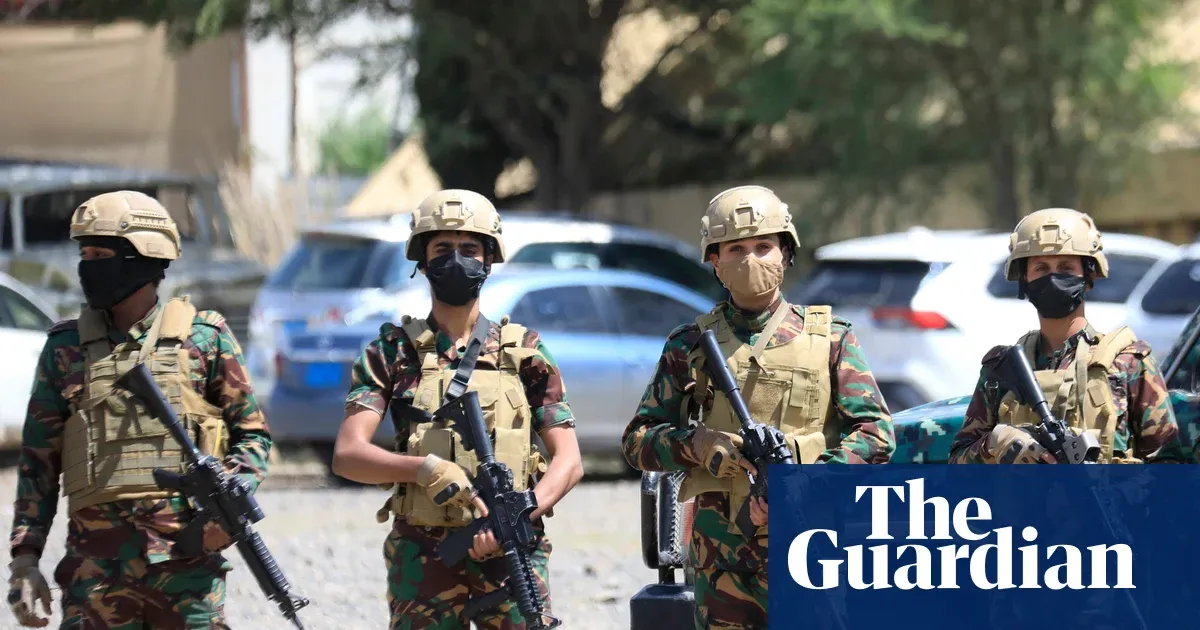
Yemen's anti-Houthi forces, representing the UN-recognised government, have launched an inquest into the sudden collapse of more than 15 brigades and the loss of the entire west coast to Houthi control. The rout raises the stakes around the Bab al-Mandab strait and exposes the fragility of the anti-Houthi coalition for regional governments and shipping interests.
Yemen's anti-Houthi forces have launched a bitter inquest into how more than 15 brigades were defeated in a sudden military collapse that handed the Houthis control of the country's entire west coast. The rout unfolded during what had been billed as a decisive assault on Sana'a, the Houthi-controlled capital, and has shattered assumptions about the strength and cohesion of the UN-recognised government's military campaign.
At the center of the review is a claim that some politicians say explains the speed of the collapse: billions of dollars were offered to persuade forces to abandon their positions. The allegation has not been proven, but it has become part of the internal reckoning, according to the Guardian. Whatever the cause, the result is stark: the west coast is now in Houthi hands, and the anti-Houthi forces are scrambling to reorganise.
The immediate priority is the Kahbob mountains, a strategic point from which the anti-Houthi forces could restrict Houthi movement closer to the Bab al-Mandab strait. That strait is a critical maritime chokepoint linking the Red Sea to the Gulf of Aden, and it has been a flashpoint in the region for years. Control of the surrounding high ground matters because it determines who can threaten or protect the shipping lanes that carry a significant share of global trade.
For the anti-Houthi coalition, the collapse raises hard questions about coordination and morale. A force that was preparing to take the capital instead lost the entire western seaboard in what appears to have been a rapid sequence of defeats. The inquest is not just about assigning blame; it is about whether the coalition can rebuild enough trust and discipline to launch another offensive, starting with the mountains.
The timing is particularly awkward. The assault on Sana'a was meant to be a decisive blow, and its failure hands the Houthis momentum and territory. For regional governments watching the conflict, the rout suggests that the balance of power on the ground is more fragile than recent narratives suggested. It also complicates any future negotiation, because the Houthis now hold a stronger hand.
The claim of billions in bribes, if it gains traction, points to a deeper vulnerability: the loyalty of brigades may be for sale, and the coalition's financial backers may be competing with an adversary willing to spend. Even if the claim is never proven, the fact that it is being discussed inside the inquest signals how much uncertainty surrounds the forces' true allegiances.
For executives and boards with exposure to Red Sea shipping, insurance, or regional supply chains, the collapse is a reminder that the security environment can shift quickly. The Bab al-Mandab strait remains a chokepoint where local military dynamics have global consequences. The next few weeks, as the anti-Houthi forces attempt to reorganise around Kahbob, will show whether this is a temporary setback or a turning point.
This story's Key Insights and Take-aways are locked.
Create a free account to unlock Executive Actions for one credit.
Register to UnlockAlways free for Executives Club members. Join the Club
More in Business

Royal Caribbean just spent $3B to own half of Sandals
The cruise giant is buying a 50% stake in the all-inclusive resort chain for $3 billion, a bet that land-based vacations are the next growth engine.

Paramount's Ellison: Merger Clearance Done, WBD Deal by Oct 1
David Ellison says the Paramount-WBD merger has full clearance after settling with state AGs, clearing the path for an October 1 close.
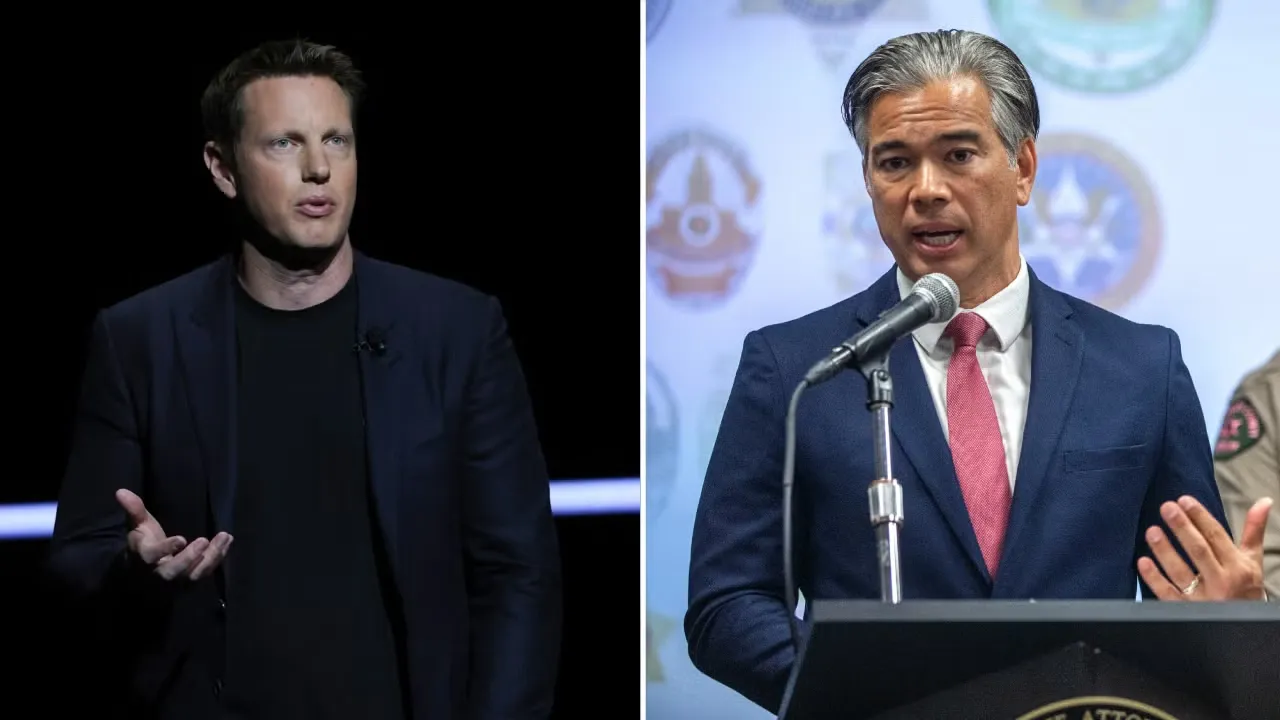
Paramount settles with 12 states, $110B Warner merger clears final hurdle
David Ellison's studio avoids a March trial and a $7M-a-day ticking fee by settling with state AGs over local job losses.