
Your mother's cells are hiding in your brain for life
New research shows maternal cells cross the placenta into the fetal brain and persist into your 80s. The discovery could reshape neuroscience and medicine.
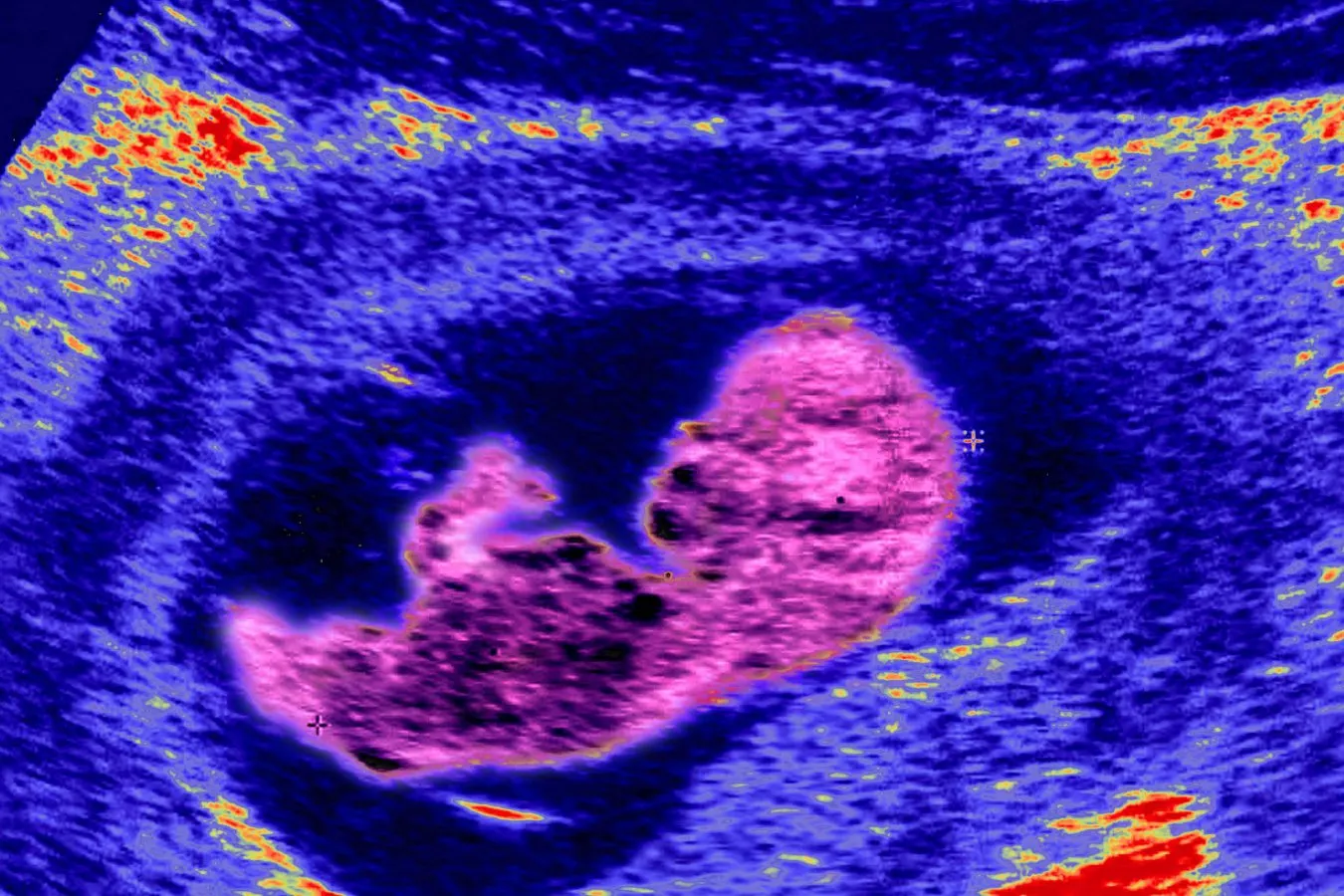
Most people carry maternal cells in their brains from fetal development, persisting into old age. This microchimerism could influence neurological health and opens new questions for biomedical research and personalized medicine.
Yes, your mother is literally in your head. According to a New Scientist report, most people appear to have cells that crossed the placenta from their mother into their developing brain in utero - and those cells can still be detected in people in their 80s. This is not a rare anomaly; it is the norm. The finding is a striking example of microchimerism, the presence of genetically distinct cells from another individual in your body.
Microchimerism has been known for decades. During pregnancy, cells traffic in both directions across the placenta. Fetal cells can persist in the mother for years, sometimes decades, and have been linked to autoimmune conditions and tissue repair. But the idea that maternal cells could take up residence in the offspring's brain - and stay there for a lifetime - is relatively new. The New Scientist report says "most people seem to have" these cells, even those now in their 80s. That means the phenomenon is not a rare anomaly but a common biological event.
How do these cells get there? In utero, the blood-brain barrier is still developing, and the fetal immune system is immature. Maternal cells circulating in the fetal bloodstream can cross into the developing brain tissue. Once there, they may differentiate into neural or glial cells, or simply persist as quiescent residents. The exact function - if any - remains unknown. But their presence raises profound questions about identity, immunity, and the boundaries of the self.
The brain was long considered an immune-privileged site, shielded from the body's immune system. This discovery challenges that assumption. If maternal cells are a normal part of the human brain, they could influence how the brain responds to injury, inflammation, or disease. They might even play a role in neurological conditions, though the source does not specify which. Researchers are likely to investigate whether these cells contribute to or protect against disorders like Alzheimer's, Parkinson's, or multiple sclerosis.
For the biotech and pharmaceutical industries, this is more than a curiosity. Companies developing brain-targeted therapies may need to account for a brain that is a mosaic of genetically distinct cells. A drug designed to bind to a specific receptor on neurons might also interact with maternal cells that express a different version of that receptor. This could explain variability in drug responses that current genetic testing cannot account for. It also opens the door to new diagnostic approaches: if maternal cells persist in the brain, they might be detectable in cerebrospinal fluid or blood, offering a biomarker for fetal development or later neurological health.
The broader field of microchimerism is still young. First identified in the 1990s, it has been studied mainly in the context of pregnancy and autoimmune disease. The brain was largely overlooked, partly because of the blood-brain barrier's presumed impermeability. This new report suggests that barrier is not as impermeable during development as once believed. It also raises the possibility that other cells - from siblings, twins, or even a previous pregnancy - could find their way into the brain. The boundaries of the self are blurrier than we thought.
For executives and investors, the lesson is to question assumptions. The brain was long considered an immune-privileged site, but this discovery adds to a growing body of evidence that it is not as isolated as once thought. Companies working on gene therapies, cell therapies, or immunotherapies for the brain may need to account for the presence of foreign cells. Regulators, too, may need to consider how microchimerism affects the safety and efficacy of treatments. The science is early, but the implications are broad.
Ultimately, this is a story about the limits of our knowledge. We are only beginning to map the cellular complexity of the human body. For decision-makers, the takeaway is to stay curious and fund basic research. The next breakthrough might come from a place as unexpected as your mother's cells in your brain.
This story's Key Insights and Take-aways are locked.
Create a free account to unlock Executive Actions for one credit.
Register to UnlockAlways free for Executives Club members. Join the Club
More in Science
France euthanized Félicette, the first cat in space, two months after her flight
Félicette's 1963 flight made France a space-race player, but her euthanasia and a crowdfunded statue reveal how high-risk programs are remembered.
Ultracold atoms just created a 'fractional Fermi sea' that breaks quantum rules
A new quantum state challenges decades of theory and hints at 'super-Fermions,' with real stakes for quantum computing and materials science.

Bangladesh's 202,000 measles cases are a 'real warning' to other nations
The world's worst measles outbreak is spreading as routine vaccination falters. Here is why every country's immunization program should pay attention.