
Zelensky says Ukraine needs US technical sign-off before Patriot missile production can start
Without finalized technical details with the US, Ukraine cannot build Patriots at home as Russia’s ballistic attacks outpace supplies.
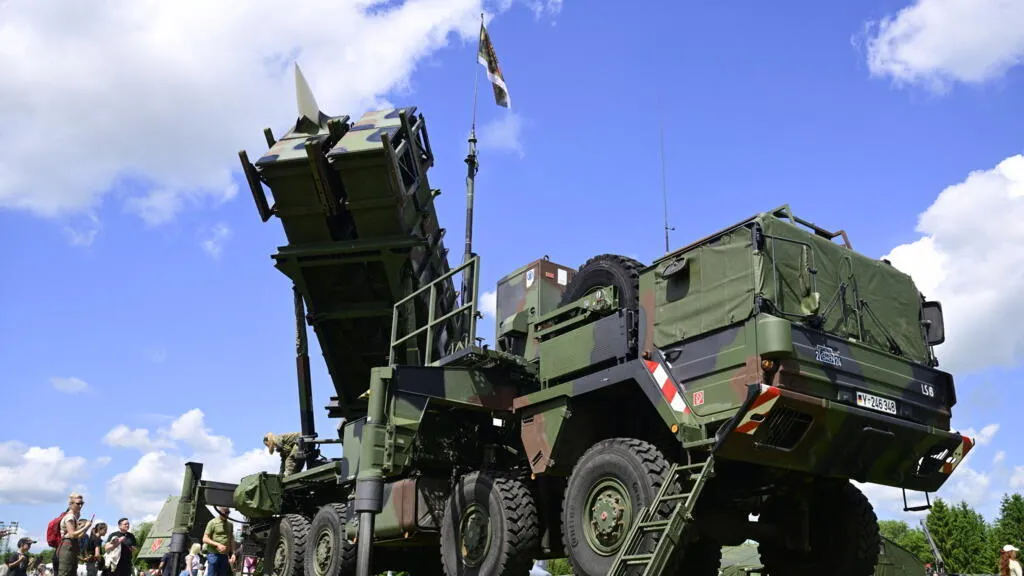
Ukraine President Volodymyr Zelensky said on Thursday that technical details still must be finalized with the US before Kyiv can begin manufacturing its own Patriot air-defense missiles. The delay matters to decision-makers because Ukraine’s interceptor stockpiles are already dwindling under Russia’s expanding ballistic missile pressure.
Ukraine President Volodymyr Zelensky said Thursday that Kyiv cannot start manufacturing its own Patriot air-defense missiles until technical details are finalized with the United States. In other words: the political desire to scale air defense is not the bottleneck. The bottleneck is the engineering, the handoff, and the shared “how it works” needed to make Patriot production feasible in Ukraine.
Zelensky also tied that manufacturing timeline to a grim operational reality. Ukraine’s interceptor stockpiles are dwindling, and Russia’s ballistic missile attacks have outstripped them. That is the stakes equation in a sentence: when incoming ballistic salvos keep landing faster than interceptors can be replenished, every day of delay turns into more defended assets that cannot be defended.
This is not just a defense procurement story. It is a cross-border industrial story that runs into the kind of constraints many boards only notice when they are already bleeding. Patriot systems are not a simple “buy and copy” technology. Even when a country has the capability to manufacture advanced components, ramping something like a missile and its associated ecosystem typically requires tightly coordinated technical definitions, integration requirements, testing standards, and compliance around what can be produced where.
Zelensky’s framing points to a common pattern in high-end defense transfers: the “agreement” is often more than a contract and more than paperwork. Technical details have to be agreed in enough specificity that a producer can build reliably and safely, and in a way that fits into the broader air-defense architecture. That includes how interceptors are built, validated, and supported so that they perform under battlefield conditions, not just in controlled demonstrations.
From a decision-maker perspective, this lands like a supply-chain risk memo. If interceptor stockpiles are already outstripped, then the inability to start production immediately creates a gap that has to be managed through alternative procurement, prioritization of defense coverage, or other forms of acceleration with partners. Even if Ukraine can reduce the gap over time, the near-term cannot be wished away. The source’s key point is the direction of pressure: Russia’s ballistic missile attacks are outpacing what Ukraine has on hand.
There is also an interdependency angle here, the kind executives recognize in any complex system. Finalizing technical details with the US likely involves schedule alignment between multiple organizations, ranging from defense officials to engineering teams, and possibly industrial partners who can manufacture at scale. When timelines slip at the technical agreement stage, the downstream effects compound. Production planning, tooling, supplier readiness, and validation all become dominoes, each with its own lead times.
Strategically, Zelensky’s comment is a reminder that air defense is not only a battlefield capability; it is a continuously replenished industrial output. Patriot production, if it happens, is a means to reduce vulnerability created by interceptor scarcity. But if technical details are still being finalized, then today’s capability remains constrained by current inventory and by how quickly partners can provide interim support.
For other executives and board members tracking national-security supply chains, the lesson is uncomfortable but practical. When demand is measured in minutes and the threat environment evolves faster than procurement cycles, “we are working on it” is not enough. You need to know where the real gating item sits. In this case, Zelensky points directly to technical details being the dependency. Until that dependency is cleared, Ukraine cannot manufacture its own Patriot air-defense missiles, even as the stockpile situation worsens under Russia’s ballistic missile campaign.
This story's Key Insights and Take-aways are locked.
Create a free account to unlock Executive Actions for one credit.
Register to UnlockAlways free for Executives Club members. Join the Club
More in Politics

Glacial collapse, not rain, killed 180 in Nepal's Himalayan flood
The Himalaya's extreme geography hid the true cause of Nepal's catastrophic flood, a glacial collapse that turned a geological battleground into a mass-casualty zone.
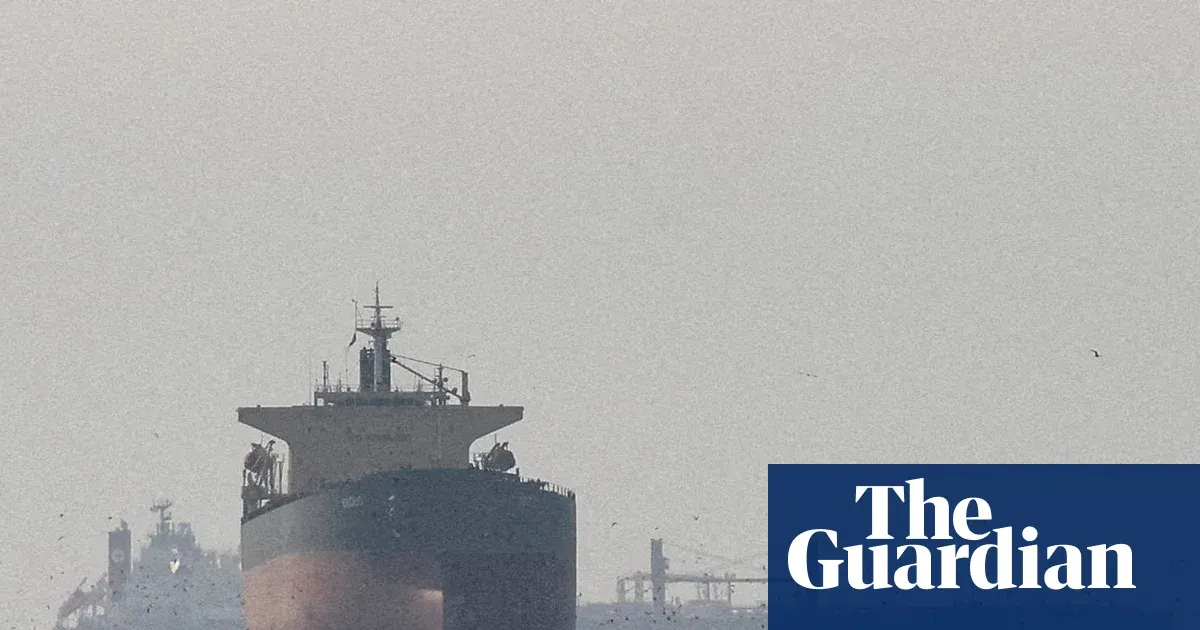
Iran’s Esmail Baghaei says Oman talks start shipping via Hormuz, not US talks yet
Temporary route plans with Oman aim to restart commerce while Tehran says Washington dialogue is not on the table.

Standards watchdog opens probe into Reform UK deputy leader Richard Tice over interests
The parliamentary standards commissioner says it began an investigation on 28 July into a possible undeclared interest.