
ZeniMax Online lays off 213 as ESO launches Return of the Thieves Guild
The seasonal debut lands days after Xbox mass layoffs, and fans mostly talk about who lost their jobs.

ZeniMax Online Studios, the developer behind The Elder Scrolls Online, lost 213 employees this week as part of mass layoffs at Xbox, then launched Return of the Thieves Guild. For decision-makers, the backlash shows how product timing, workforce stability, and public sentiment can collide fast.
ZeniMax Online Studios lost 213 employees this week, and only days later, The Elder Scrolls Online launched its first seasonal content, Return of the Thieves Guild. That pairing is why the Steam and YouTube announcement comments read less like “new season, let’s go” and more like “how is anyone even posting this?”
The immediate consequence is visible in the reception. On Steam, one commenter replied to the season launch post with, “Surprised there was anyone left to post this.” Others thanked laid off developers for “5000 hours and counting,” expressed heartbreak, and wished for “those who lost their jobs” to land on their feet. But the same comment sections also carried sharper anger at Microsoft, including, “May whoever fires talented people like you BURN IN HELL along with all of Microsoft.” On YouTube, the Return of the Thieves Guild trailer drew similar patterns: limited discussion of the trailer, heavy sentiment directed at the affected developers.
Zoom out, and you get the real story beneath the jokes: massive workforce contraction colliding with content cadence in a live-service business. The source notes that the MMO has reportedly generated over $2 billion in its lifetime. It also states that ZeniMax Online lost more than half of the development team of TESO when you combine this week’s 213 layoffs with “more layoffs over the past 12 months.” In a live game, “more content” is not just a marketing line. It is a production pipeline, a knowledge base, a studio culture, and a set of responsibilities that sit inside teams for years. When that team gets reduced, even if the game keeps shipping, the public can feel the shift.
Why does timing matter so much here? Because seasonal content for The Elder Scrolls Online is positioned as a recurring experience, a promise that players can plan around. The source says this is the first time seasonal content has arrived for the MMO, which means Return of the Thieves Guild is not a minor update. It is the start of a new rhythm. Now add layoffs at Xbox happening “this week,” and you get an abrupt contrast between outward-facing planning and inward-facing strain.
Fans are not just reacting emotionally either. They are trying to separate the art from the business decisions, then calling out the business decisions when it feels unavoidable. Several comments explicitly praise the developers: “ESO has wonderful, passionate developers behind it and to lose them breaks my heart!” and “This game and all the work you've put into creating such engaging and beautiful art, content, and stories has brought my friends and I a lot of joy over the years.” That kind of language matters because it signals who players believe the “real” continuity lives with. In other words: player loyalty may attach to teams and creators, not just brands.
At the same time, the source makes clear that some players are not willing to keep the blame neatly contained. The YouTube and Steam threads include snark about scheduling and execution, like “Media guy must have scheduled this before he was banished to the shadow realm,” and sharper framing that Microsoft is essentially acting as the “real thieves guild.” That specific comparison is tongue-in-cheek, but it points to a serious second-order issue for corporate leaders: when layoffs and releases happen close together, audiences may interpret launches as insensitive, even if nobody inside the studio wanted the overlap. Your operational timeline becomes your public narrative.
This is also a board-level and capital-markets problem, even if the comments are “just comments.” Live-service companies often operate under a constant need to prove continuity: content delivery, community trust, and momentum. Workforce reductions can raise concerns about long-term development capacity, and even when leadership intends a reset rather than a shutdown, players can read it as instability. The source’s detail that ZeniMax Online lost more than half of the TESO development team underscores how big “capacity risk” is in plain numbers.
There is also an incentive mismatch that shows up in how people talk. Players routinely say “thanks for all the content,” but they also direct anger at Microsoft and wish for “independence from MS.” Whether or not those wishes come true, the undercurrent is clear: fans want continuity with the people who made the game, and they want the corporate owner to behave in ways that do not look predatory. When seasonal content debut happens immediately after layoffs, the corporate timeline looks like it is optimized for release dates, not for humane impact.
For executives and directors at other game studios, the strategic stake is straightforward. If your organization is downsizing, you are not only managing production. You are managing meaning. You are telling thousands of players, “We can still ship,” while they are watching your people disappear. The comment sections here show how quickly goodwill turns into a referendum on leadership choices, and how even a well-intentioned launch can become a lightning rod.
This story's Key Insights and Take-aways are locked.
Create a free account to unlock Executive Actions for one credit.
Register to UnlockAlways free for Executives Club members. Join the Club
More in Business
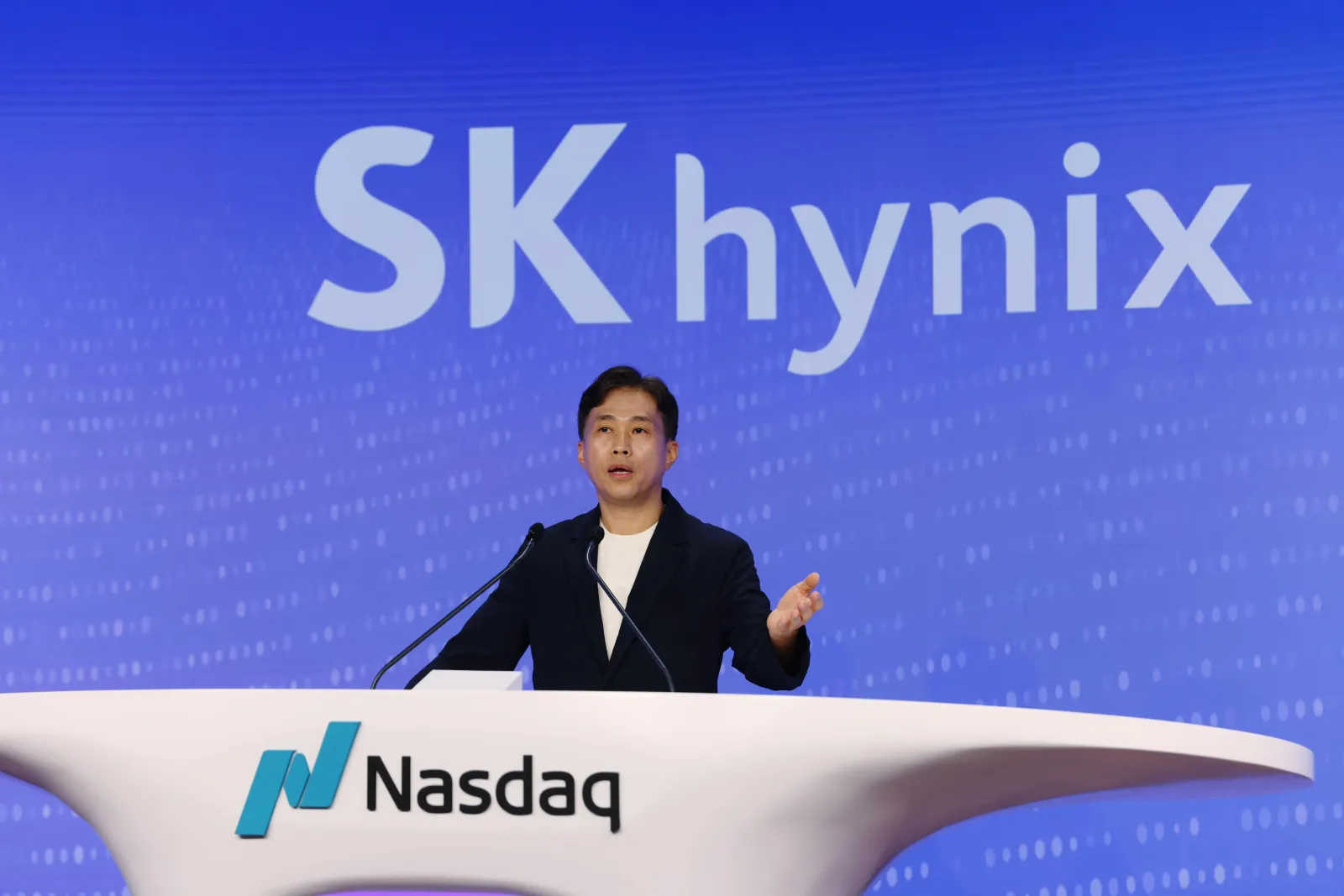
SK Hynix opens at $170, raises $26.5B, and tops foreign IPO records
In Friday's Wall Street debut, SK Hynix turns AI RAM demand into a $26.5B fundraising moment that rewrites comps.

China lands a reusable Long March booster, a first that matches SpaceX and Blue Origin
A barge landing and net-based recovery move China from theory to proof, reshaping the reusability race and satellite ambitions.

AstraZeneca $27B wipeout as Wainua late trial misses cardiovascular target
A failed late-stage heart study triggered a swift market punishment, forcing investors and boards to reset timelines and risk.