

ZeniMax reaffirms ESO staffing after Maryland WARN cuts of 379 workers
ZeniMax Online Studios and Bethesda executives try to calm fears by tying layoffs to a still-active ESO roadmap.
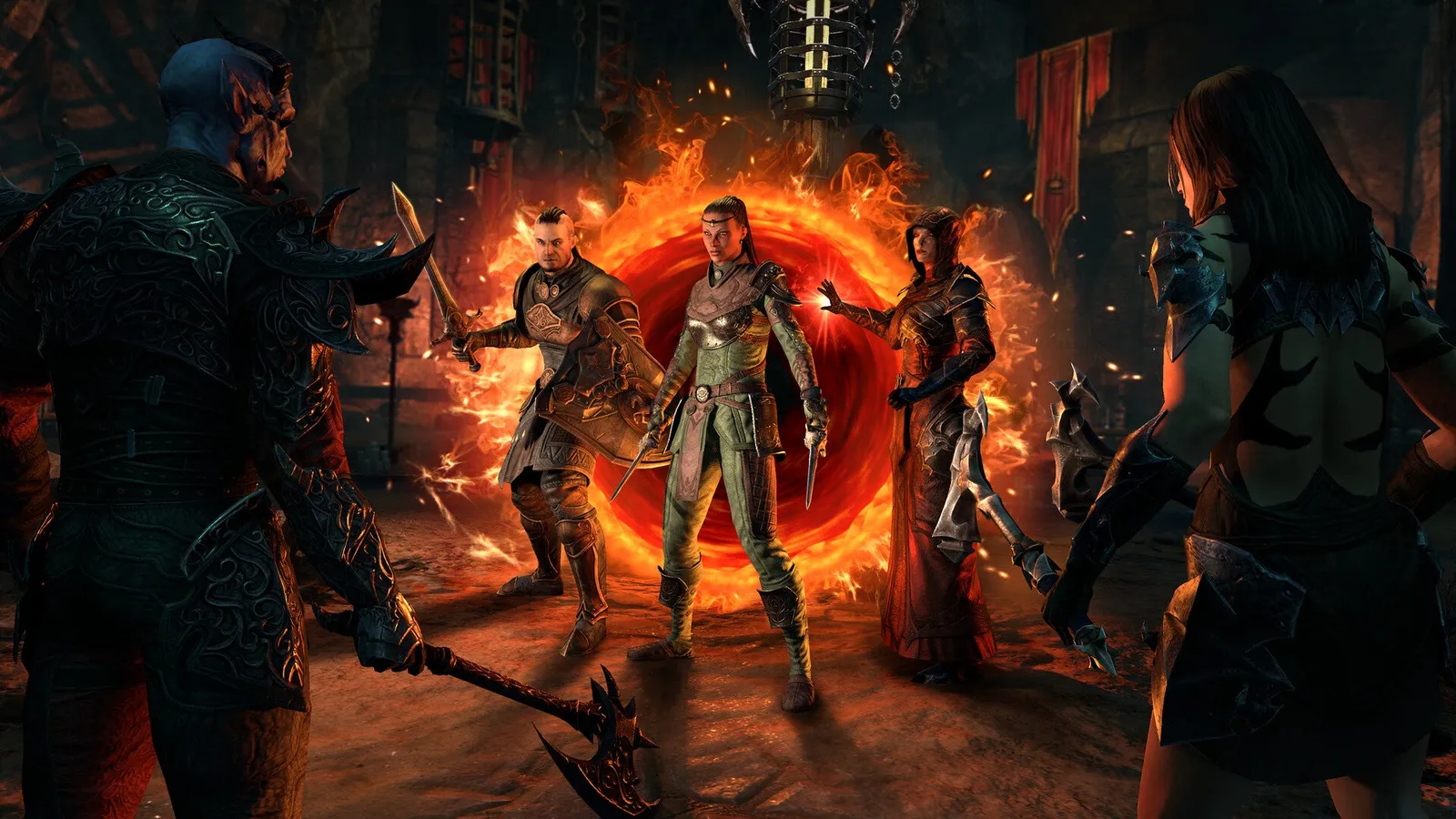
ZeniMax Online Studios is addressing worries about The Elder Scrolls Online after Xbox cuts triggered layoffs at Bethesda studios, as shown by a Maryland WARN Act notice. For executives, the staffing and roadmap assurances signal how big studios are trying to stabilize content plans while Microsoft restructures Xbox.
ZeniMax Online Studios is moving fast to reassure The Elder Scrolls Online fans after a Maryland WARN Act notice documented layoffs tied to the Xbox restructuring. The notice indicates 213 employees were laid off from ZOS's office in Cockeysville, Maryland, and 166 from ZeniMax Media Inc. in Rockville, Maryland, totaling 379. In parallel, Bethesda leadership has tried to frame the cuts as part of a “reset” aimed at stabilizing operations and returning to “sustainable growth,” not shutting down long-running franchises.
That reassurance is showing up in the ESO community story. Developers have told fans that the team size is back to the level it was when warmly received DLCs Wrothgar (2015) and Summerset (2018) were made, according to comments paraphrased from an ESO Tavern event in Hesse, Germany. The remarks were attributed on the ESO forum to associate design director Jason Barnes and associate director of community management Jessica Folsom, who said the layoffs did not signal the end for ESO and that it was not going into maintenance mode.
To understand why this matters, you have to look at the timing and scale of the disruption. Last week, Xbox CEO Asha Sharma started her “reset” of Microsoft’s gaming business by cutting 1,600 staff, with another 1,600 expected over the next 12 months. The impact is not abstract. Bethesda was hit hard enough that a state notice had to spell out headcount reductions at specific addresses: 379 total layoffs across the two Maryland sites named in the WARN documentation.
Inside Bethesda, that same message of course-correction is coming from the top. As revealed by IGN last week, Bethesda boss Jill Braff told staff in an email sent following Sharma’s memo on Monday that the layoffs and change in strategy “reflect the realities of our industry and business - and our responsibility to ensure Bethesda is operating from a more stable foundation.” Braff also said “To be successful in the future, we need to change course,” adding that the company needed to “strengthen our business, return to sustainable growth, and ensure we can continue investing in our franchises and our players.” She underscored that this did not make “a day like today any easier,” then laid out what the shift actually is.
Braff described a move away from a planning model “primarily centered on what's next for each independent studio” to one that focuses on Bethesda’s strongest franchises and determining a content roadmap that best serves both players and Bethesda as a whole. From there, the company would align “the right talent, technology, and resources across the organization” to deliver those priorities. That line matters for ESO specifically, because ESO is not a side project. It launched in April 2014, and the game’s long-running content cadence requires ongoing design, production, community, and live-ops coordination, even if teams differ day-to-day.
IGN previously reported that it was difficult to pin down exactly what the affected staff were working on because there are blended teams across Bethesda locations. Still, the WARN numbers make for “difficult reading,” and it is hard to miss the implication: ESO’s planned roadmap would need adjustments, with staff confirming changes to its planned content roadmap were necessary. There is also an internal logic to why ZeniMax and Bethesda would now emphasize staffing and roadmap stability. The Massively OP report referenced in the IGN piece says the team size is back to the level it was during the creation of Wrothgar (2015) and Summerset (2018) DLCs, both described as warmly received. That is a very specific attempt to connect today’s operations to a previously successful production period.
The community follow-through reinforces that the reassurance is not only marketing. On the forum, ESO’s Kevin Gbolie posted: “The plan is still to deliver great content, and we will hopefully have an update soon.” He also thanked players for concern and apologized for any delay in follow up from him “this week here on the forum,” noting he was “currently at the Tavern.” That detail is small, but it signals the kind of messaging Bethesda and ZeniMax need right now: keep the relationship with players intact while internal systems and staffing are being reshaped.
For decision-makers watching this, the story is also about how layoffs pressure product strategy and cross-studio alignment. Last week, a source familiar with the situation at the studio told IGN that ZOS is supporting the new season model for ESO while also looking for ways to collaborate more closely with BGS to support the Elder Scrolls franchise as a whole. The implication, as noted by IGN, is that this could include helping get The Elder Scrolls 6 out the door. That would fit Braff’s stated shift toward stronger franchises and centralized roadmap decisions.
And ZeniMax is not the only studio trying this playbook. The comments ZOS echo statements issued by Doom developer id Software, which was similarly hit hard by Xbox layoffs. IGN’s source in this piece notes 96 staff who worked at id Software’s office in Richardson, Texas, were cut, alongside a further 40 remote roles. Reports estimate id Software lost half its staff. Concern had been raised that id Software might not be able to lead development on new games, or that it could be relegated to support studio status. id Software responded by insisting it was at the staffing level it was back when it made the much-loved 2016 Doom reboot, and said it was still capable of making “great games.”
Put together, ZOS and id Software are sending a similarly positive message to fans. But executives should note the other part of the equation: there are still over 1,000 staff at Xbox set to lose their jobs in the coming months. That creates a second-order effect that is hard to quantify in headcount spreadsheets but easy to feel in studio morale and planning. Anxiety and uncertainty among remaining teams can distort roadmap execution, hiring timelines, and even which projects get protected when budgets tighten.
So the strategic stakes for boards and studio leaders are clear. ZeniMax’s message is basically an operational promise: layoffs happened, but the team size and content direction for ESO are supposed to remain functional. If those promises hold, it stabilizes a live-service roadmap and reduces community churn during a corporate reset. If they do not, players feel it immediately, and the reputational and financial cost of “maintenance mode” narratives can linger long after the layoffs end.
This story's Key Insights and Take-aways are locked.
Create a free account to unlock Executive Actions for one credit.
Register to UnlockAlways free for Executives Club members. Join the Club
More in Business
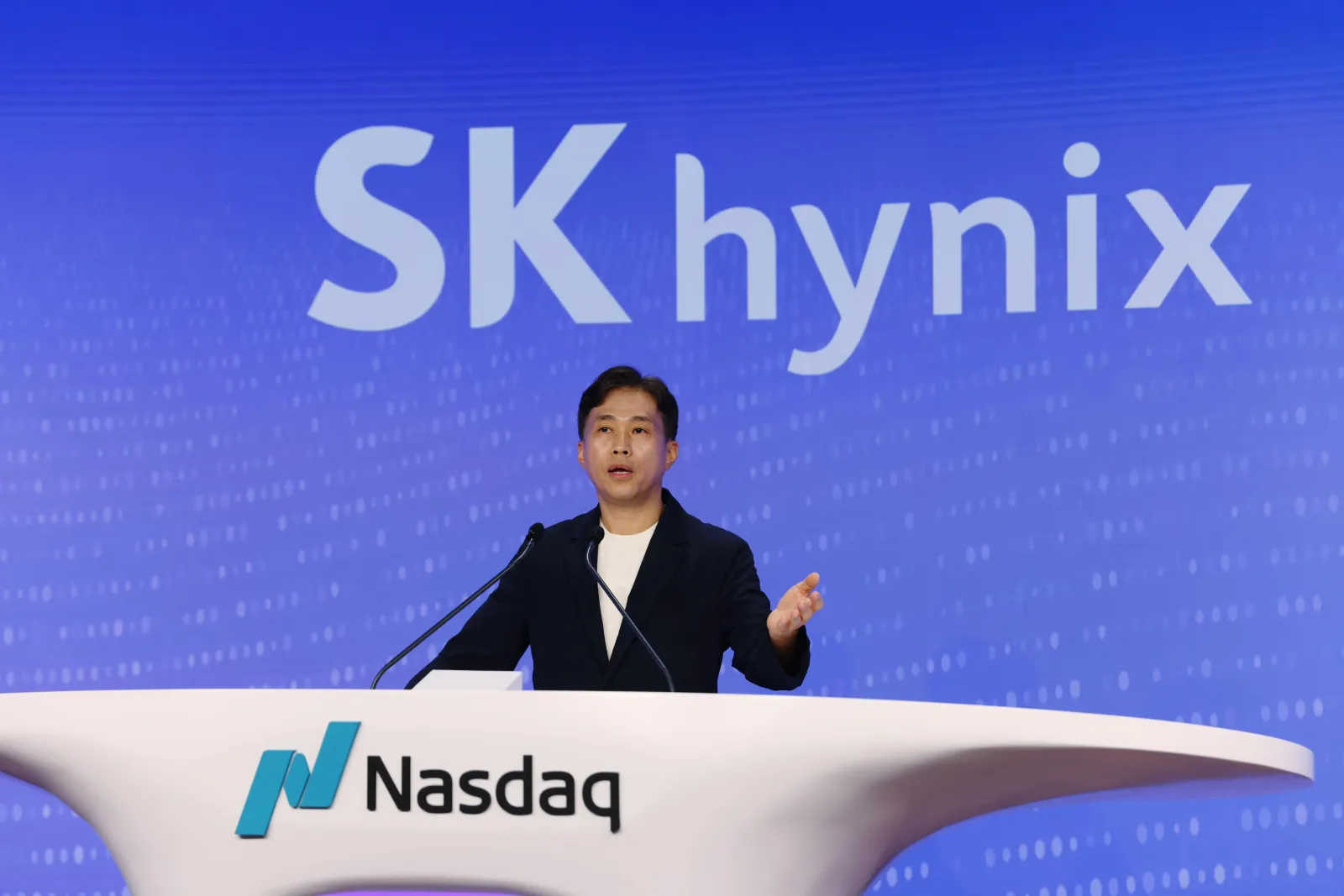
SK Hynix opens at $170, raises $26.5B, and tops foreign IPO records
In Friday's Wall Street debut, SK Hynix turns AI RAM demand into a $26.5B fundraising moment that rewrites comps.

China lands a reusable Long March booster, a first that matches SpaceX and Blue Origin
A barge landing and net-based recovery move China from theory to proof, reshaping the reusability race and satellite ambitions.

AstraZeneca $27B wipeout as Wainua late trial misses cardiovascular target
A failed late-stage heart study triggered a swift market punishment, forcing investors and boards to reset timelines and risk.