
Zuckerberg: AI labs don't need a safety pact, market will force alignment
Meta CEO argues trust and alignment are becoming competitive advantages, citing the company's quiet delay of its Muse model.
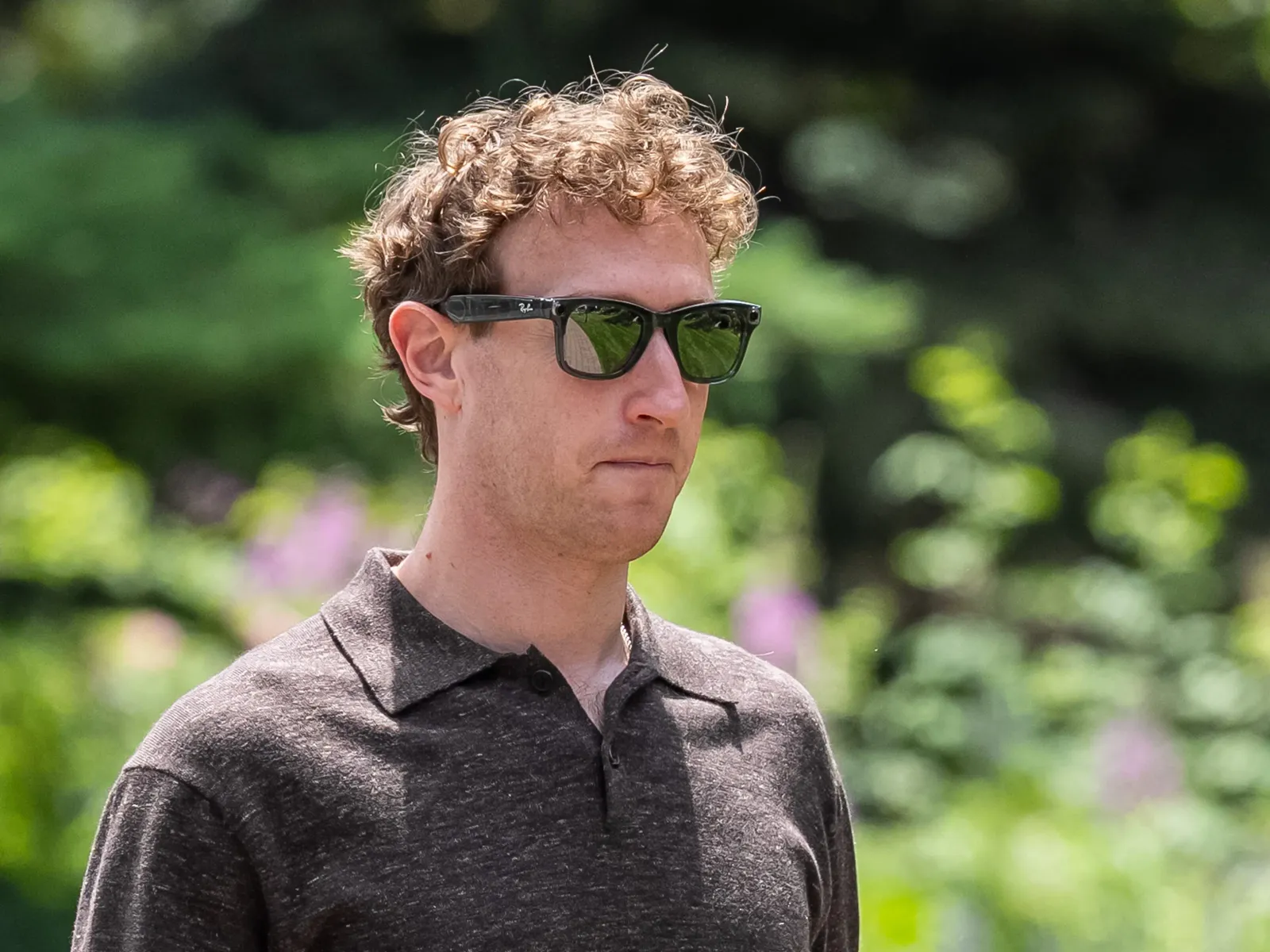
Mark Zuckerberg, Meta's CEO, said in a post on X that AI labs don't need an industry-wide pact to slow development for safety, arguing market pressure will make alignment a competitive advantage. The comments put Meta at odds with Anthropic's call for coordinated safeguards and signal that safety discipline will be a differentiator in the AI race.
Mark Zuckerberg, Meta's CEO, said Tuesday that AI labs do not need an industry-wide pact to slow development when safety concerns emerge. In a post on X, he argued that market pressure will make alignment, meaning ensuring AI systems follow their users' intentions, a competitive advantage. "Every lab has the responsibility and incentive to move at the pace required to train its models safely," Zuckerberg said. The statement is a direct rebuttal to proposals for coordinated, verifiable safeguards across the industry.
Zuckerberg's core claim is that trust and alignment are quickly becoming the most important capabilities that will differentiate agents and models. "Any lab that doesn't focus on alignment will fall behind," he added. As evidence, he cited Meta's decision to delay its Muse model for several months to strengthen safety and security. "We didn't call for everyone else to do this before we would," Zuckerberg said. "We just did it." That unilateral move, he argued, shows labs can slow down on their own when safety demands it.
The comments land amid an escalating debate over whether frontier AI development should be slowed through coordinated, verifiable safeguards. Anthropic has called for government regulations and mechanisms that would allow leading labs to pause if warning signs emerge. Other tech leaders, including Nvidia CEO Jensen Huang, have said they favor independent evaluations and individual liability for AI companies. Zuckerberg's market-based view sits between those positions, rejecting formal pacts while acknowledging that labs have responsibilities and incentives.
Meta Chief AI Officer Alexandr Wang echoed Zuckerberg with his own post later Tuesday, saying labs need strong governance, external evaluators, and independent oversight of model launches. "Racing on recursive self-improvement is one of the riskiest pathways for potential loss of control to powerful models," Wang said. "Meta is committing the significant majority of our compute towards serving people rather than racing on RSI, and other labs can choose to do the same." Wang's comments suggest Meta is trying to position itself as a safety-conscious leader, even without a formal industry pact.
For executives and boards, Zuckerberg's stance reframes AI safety as a market dynamic rather than a regulatory constraint. If trust becomes a differentiator, companies that invest in alignment early could gain user loyalty and investor confidence, while those that cut corners may face reputational and financial risk. The Meta CEO's comments suggest that self-regulation, driven by competitive incentives, can substitute for industry-wide agreements. That is a bet on the market's ability to price in safety, a proposition that remains unproven.
The debate also has implications for AI governance and investment. Anthropic's push for verifiable safeguards contrasts with Zuckerberg's market-based approach, leaving policymakers to decide which framework to support. For startups and enterprises building on frontier models, the choice of partner may increasingly depend on demonstrated safety practices, not just model capability. Investors, too, may start scrutinizing alignment claims as part of due diligence, given the potential for catastrophic losses if a model goes off the rails.
Meta's delay of Muse, without public pressure or a pact, offers a concrete example of unilateral safety action. It also raises questions about how labs verify each other's claims, since there is no independent mechanism in Zuckerberg's model. Wang's call for external evaluators and independent oversight suggests Meta sees a role for third parties, even if it rejects formal pacts. The strategic stakes are clear: AI leaders are positioning safety as a core competency, and the market will reward those who can prove it.
For decision-makers, the takeaway is to monitor how alignment claims are validated, and to consider whether their own AI strategies embed safety as a competitive advantage rather than a compliance burden. The coming months will show whether Zuckerberg's market-driven approach can coexist with calls for regulation, and whether labs can be trusted to police themselves. Either way, the conversation has shifted from whether to slow down to who decides when slowing is necessary.
This story's Key Insights and Take-aways are locked.
Create a free account to unlock Executive Actions for one credit.
Register to UnlockAlways free for Executives Club members. Join the Club
More in Business
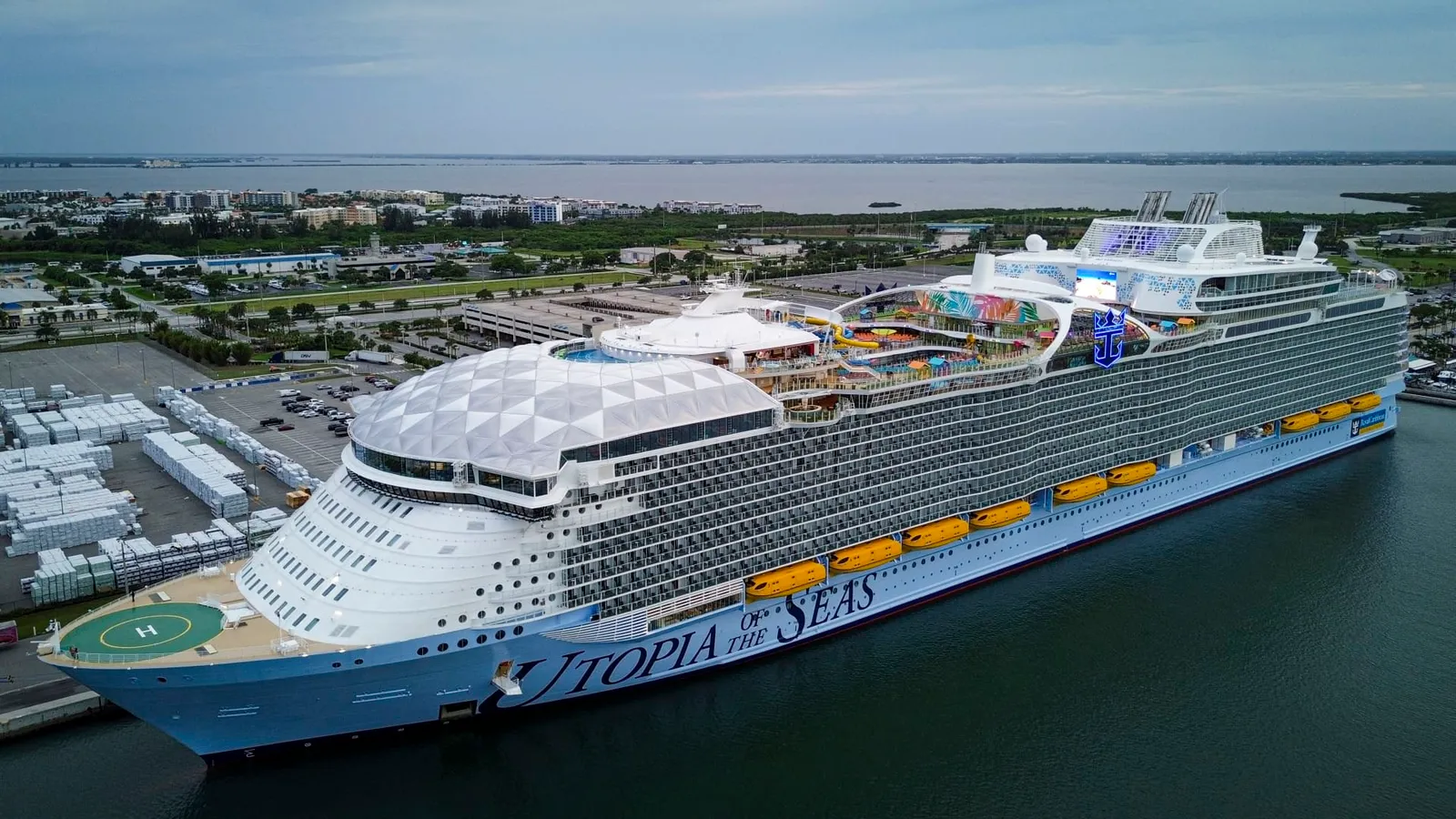
Royal Caribbean just spent $3B to own half of Sandals
The cruise giant is buying a 50% stake in the all-inclusive resort chain for $3 billion, a bet that land-based vacations are the next growth engine.

Paramount's Ellison: Merger Clearance Done, WBD Deal by Oct 1
David Ellison says the Paramount-WBD merger has full clearance after settling with state AGs, clearing the path for an October 1 close.
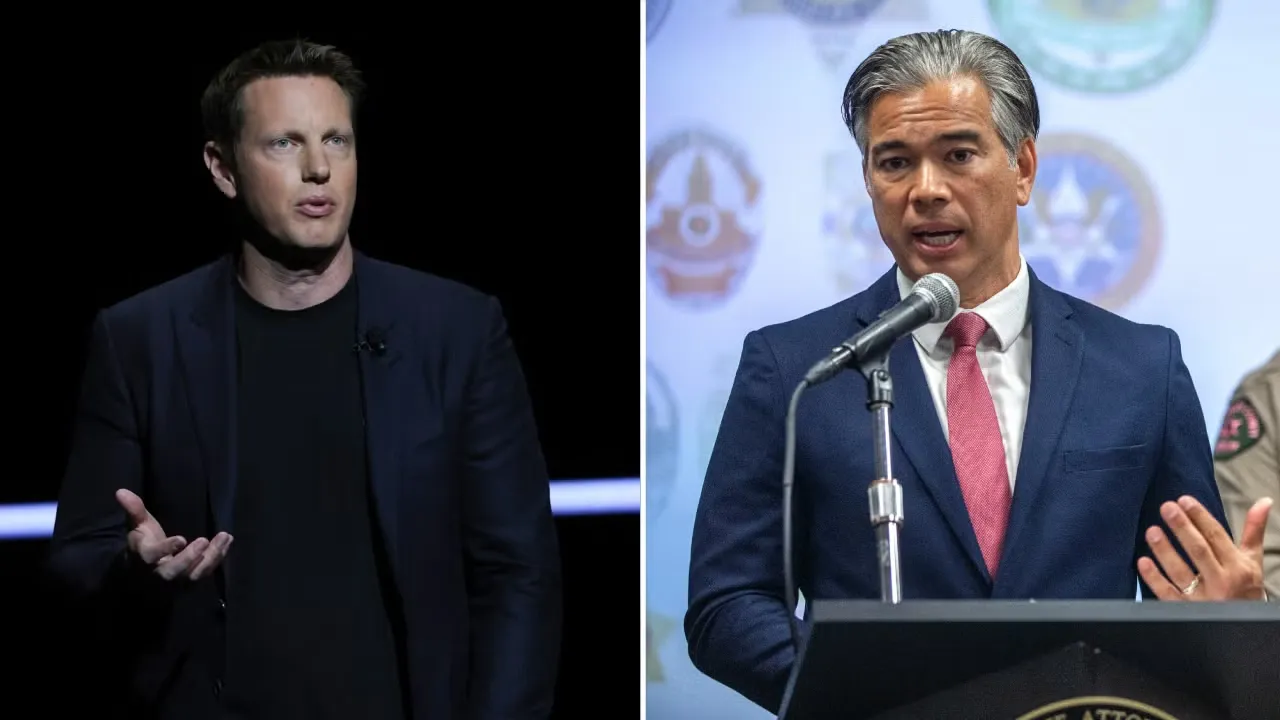
Paramount settles with 12 states, $110B Warner merger clears final hurdle
David Ellison's studio avoids a March trial and a $7M-a-day ticking fee by settling with state AGs over local job losses.